


Beginners – 10 Mountain Bike Terms You Should Know

A beginner’s guide to understanding the language of the trails
Every sport has its own language, and mountain biking is no different. Spend enough time around riders and you’ll quickly hear words like sag, line choice, berm, drop and singletrack being thrown around.
For experienced riders, these terms are second nature. For beginners, they can feel like a foreign language. Understanding the basics doesn’t just help you follow conversations at the trailhead—it also makes it easier to set up your bike correctly, improve your skills and get more enjoyment from every ride. Here are 10 mountain bike terms every beginner should know.
1. Singletrack

If there is one word you’ll hear more than any other in mountain biking, it’s probably singletrack. Singletrack refers to a narrow trail designed for one rider at a time. Unlike wider fire roads or doubletrack trails, singletrack usually winds through natural terrain and often includes corners, rocks, roots, climbs and technical features. It’s where mountain biking really comes alive – the challenge is not just getting from A to B, but choosing the smoothest, fastest and sometimes most creative way through the trail.
2. Line Choice
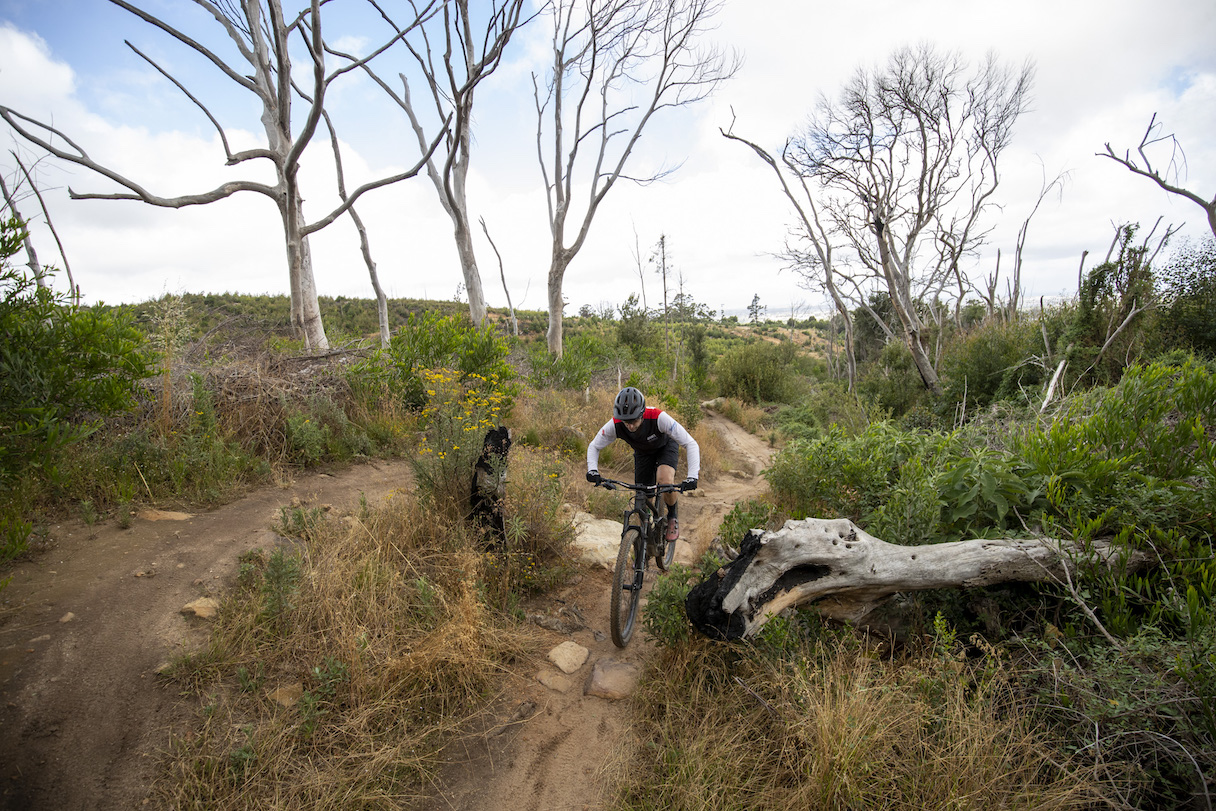
Line choice is one of the most important skills in mountain biking. Simply put, your line is the path you choose through a section of trail. A rocky descent might have several options: a smooth outside line, a technical shortcut through the rocks, or a faster but riskier option. Good riders don’t just react to the trail directly in front of them – they look ahead, assess the terrain and choose their line before they get there. The best line isn’t always the fastest one. Often, it’s the one that allows you to carry speed while staying in control.
3. Sag

Sag is one of the first suspension settings every mountain biker should understand. It refers to how much your suspension compresses under your body weight when you stand on the bike, in your normal descending position. Setting the correct sag ensures your suspension works properly. Too little sag and the bike can feel harsh and unforgiving. Too much sag and you may use too much travel too quickly, making the bike feel sluggish. Most mountain bikes are set somewhere around 15 to 30% sag, depending on the bike, rider and riding style. Most manufacturers have recommended sag settings, for every model of bike, on their websites.
4. Travel
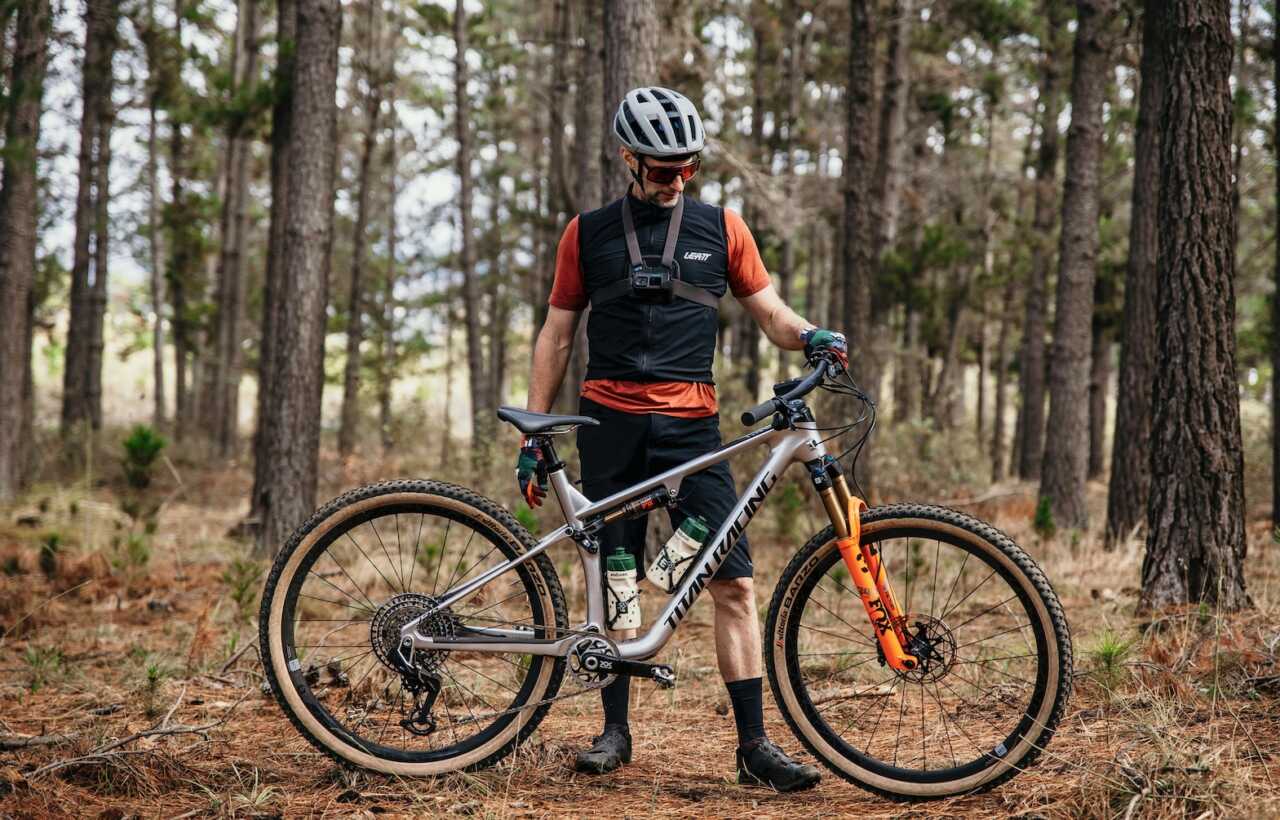
Travel refers to the amount of movement available in your bike’s suspension. For example, a fork with 120mm of travel can compress 120mm before reaching the end of its stroke. Different types of mountain biking require different amounts of travel. Cross-country bikes typically have less travel for efficiency and climbing ability – usually up to 120mm. Trail bikes offer a balance between climbing and descending with travel ranging between 120 and 150mm. Enduro and downhill bikes use more travel for tackling bigger impacts and travel numbers usually range from 160 to 200mm. More travel doesn’t automatically mean a better bike – the right amount of travel is dependent on the terrain you will be frequenting and how you want to ride.
5. Drop

A drop is a section of trail where the rider leaves the ground due to a sudden change in elevation. Drops can range from small trail features that beginners can roll over or lift the front wheel off, to large jumps requiring advanced skills. The key to riding drops safely is technique: control your speed, stay balanced and look where you want to go – not at the obstacle itself.
6. Berm

A berm is a banked corner built into a trail. Instead of simply turning on a flat section of trail, riders enter the angled wall of the berm and use it to carry speed through the corner. Berms are one of the most enjoyable features on a mountain bike trail, but they also teach valuable cornering skills. Enter too slowly and you lose momentum, enter too fast and you risk running wide and over the berm.
7. Technical (Tech)

When riders describe a trail as “technical,” they mean it requires more skill and concentration. Technical sections often include obstacles such as rocks, roots, steep gradients, tight turns or uneven terrain. A technical trail isn’t necessarily fast – it rewards balance, bike control and good decision-making more than pure fitness.
8. Tubeless
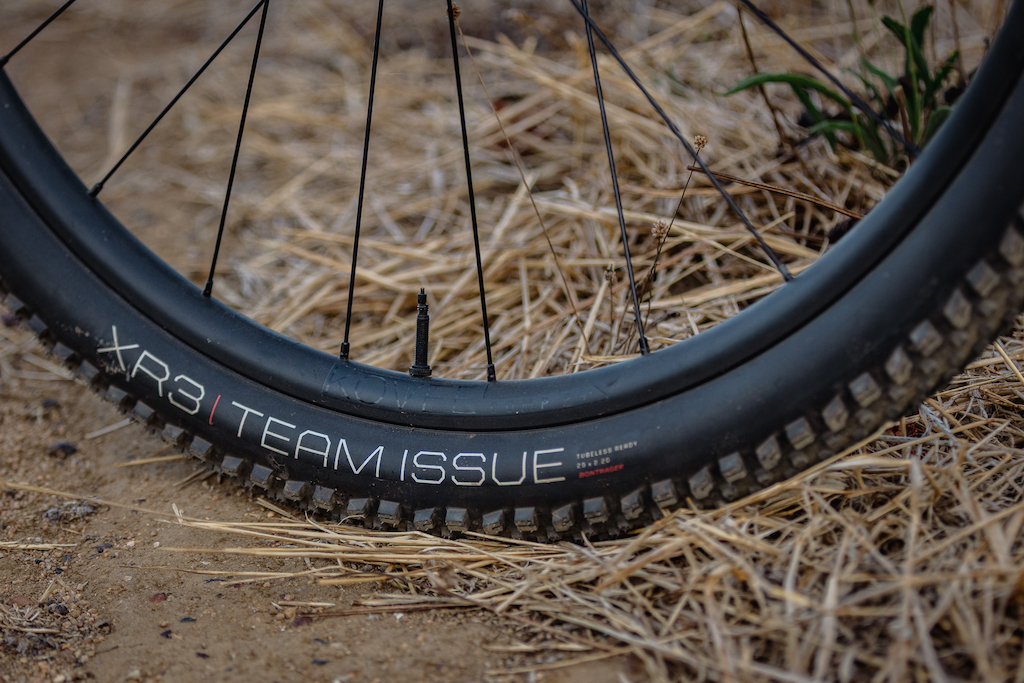
Tubeless tyres have become standard equipment for many mountain bikers. Instead of using an inner tube, a tubeless setup uses sealant inside the tyre to seal small punctures automatically. This allows riders to run lower tyre pressures, improving grip and comfort while reducing the risk of pinch flats. A good tubeless setup can make a noticeable difference to how your bike feels on the trail.
9. Cockpit Setup
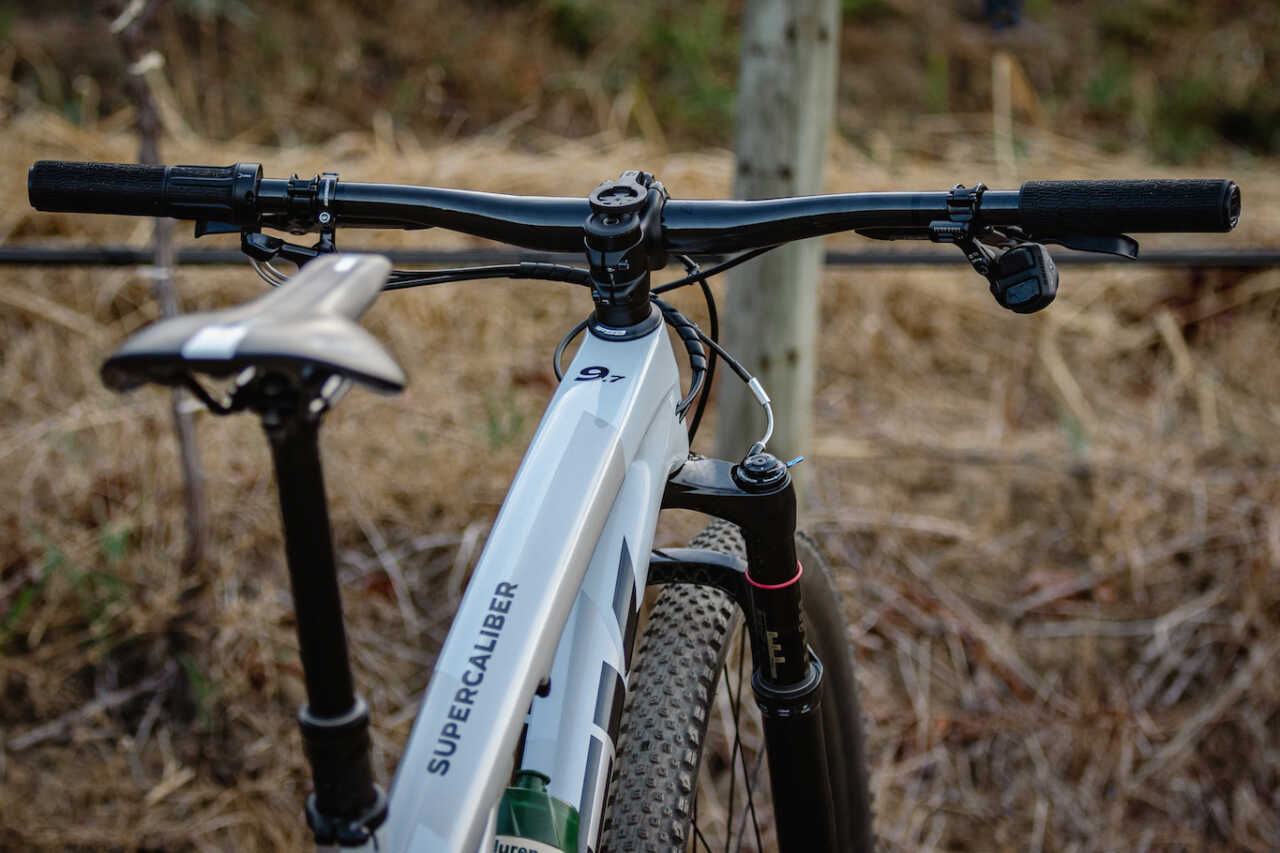
Your cockpit is everything you interact with while riding the bike – the handlebars, grips, stem, brakes and controls. A correctly set up cockpit can have a major impact on comfort, control and confidence on the trail. Small adjustments to handlebar width, roll, stem length, lever position and grips can change how your bike feels beneath you. A cockpit that is too stretched out can make the bike harder to control, while one that is too cramped can affect handling and comfort. Finding the right setup comes down to your riding style, body position and the type of terrain you ride. A few simple adjustments can make your bike feel far more natural and responsive.
10. Bonk

Every rider eventually learns this one the hard way. A bonk happens when your body runs out of usable energy during a ride, usually because you’ve failed to eat enough carbohydrates. Symptoms include sudden fatigue, heavy legs, reduced concentration and feeling like you’ve completely run out of power. The solution? On every ride, fuel before you need it. Eat and drink regularly during longer rides rather than waiting until you’re already struggling.
Learning the language, learning the sport
Mountain biking can seem complicated when you’re starting out, but every experienced rider was once a beginner trying to understand the basics. Learning the terminology is just one step towards becoming more confident on the bike. The more you ride, the more these words become part of your natural riding vocabulary. Before long, you’ll be the one explaining sag, line choice and cockpit setup to the next rider at the trailhead. //
| IMAGES: Max Sullivan, Gary Perkin |