


Climb Without Completely Blowing Up: 4 Simple Steps

It doesn’t have to be terrible..
Climbing is where a ride can quickly go from calm and controlled to completely terrible. The secret isn’t necessarily having more power – it’s knowing how to manage the krag and energy you do have. You’ve got to ride within yourself, learn to maintain a rhythm which then gives you momentum and you’ll then find you reach the top with enough gees to enjoy the descent. Here’s how:

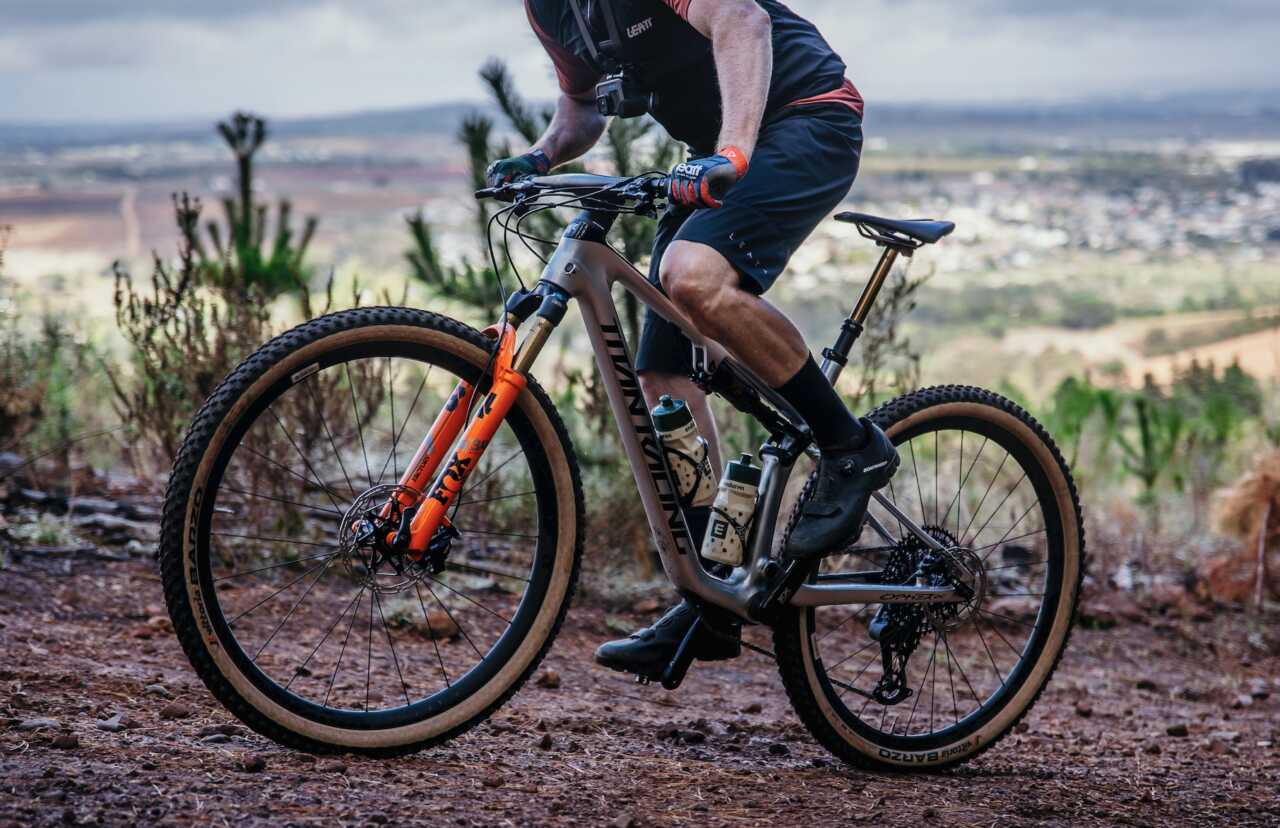
1. Start Easy and Find Your Tempo
The first few minutes of a climb should feel almost too easy. Resist the temptation to attack the bottom, especially if the gradient kicks up early. Settle into a sustainable tempo and give your legs time to adjust to the change of cadence and work rate. As a guideline, if you’re breathing hard before you’ve really even got into the climb, you’re probably spending matches you’ll need later. Think smooth and controlled rather than full-gas.
2. Keep Your Cadence
Grinding a huge gear at low cadence is a great way to blow your legs up. I mean, it’s ideal for power training but if you are just out riding then it’s going to fatigue you faster – so be aware of that. You’d be better off shifting early – like right as the gradient increases – and aim to keep the cadence in a zone that you feel you can maintain to the top of the climb. This is particularly important on technical climbs. A consistent cadence helps maintain traction and momentum, while frantic pedal strokes can break traction. Looking ahead is good too, anticipate changes in terrain; – and if the gradient does change – shift gears accordingly.
3. Manage Your Effort on the Pitches
Not every section of a climb needs the same effort. When the trail kicks up, stay seated where possible, keep your weight balanced and focus on maintaining traction. On shorter, steeper pitches, getting out of the saddle can provide the extra power needed to clear them – provided you have good grip. Another option – like if there is poor traction – is to hinge at the hips, drop the elbows slightly and lower your chest to the bars. This prevents the front wheel from lifting and also helps you get more power into the pedals. The key is not to turn every steep section into a maximal effort. If you regularly go into the red halfway up the climb, you’ll pay for it later. However, if it’s so steep that you do need to go into the red, then be sure to slow down and take a mini-recovery once you have cleared the section.
4. Leave Something for the Top
The final 20% of the climbs are where good pacing always pays off. If you still have something left, gradually lift the tempo and rollover the top with momentum and carry that speed into the next section of trail. Reaching the summit feeling like you could have gone a little harder is a far better place to be than arriving completely cooked. //
| IMAGES: Max Sullivan, Nick Muzik |