


Long-term review: Trek Checkpoint SL 5 AXS

600km on the Trek Checkpoint: A true do-it-aller
Gravel riding in South Africa doesn’t conform to neat categories. One moment you’re rolling along smooth district roads, the next you’re navigating corrugations, loose rock or an unexpected stretch of singletrack or tar road. It’s in this unpredictable space that the Trek Checkpoint SL 5 finds its footing.

Despite being Trek’s entry-point to a carbon gravel bike, the SL 5 shares the same third-generation geometry and performance features as the brand’s top-tier models, but arrives at a price point that feels far more attainable. Yes, it’s not designed to chase gravel race results (although there were a few of them at Gravel Burn) it promises comfort, versatility and reliability for the kind of riding many South Africans actually do.
Video
The Bike
The Checkpoint SL 5 is Trek’s interpretation of an all-round gravel bike. It blends a carbon frame, endurance-focused geometry and thoughtful features aimed at long rides, varied terrain and practical use.
Details
| FRAME | Full carbon frame, Isospeed decoupler, downtube storage, mudguard, rack and bag mounts, UDH, integrated cable routing |
| FORK | Full-carbon |
| COCKPIT | Bontrager Elite Gravel Bars |
| SADDLE | Verse Short |
| SEAT POST | Bontrager Carbon 27.2mm |
| WHEELS | Bontrager Paradigm SL, 21mm inner |
| TYRES | Bontrager Girona RSL, 42mm |
| CASSETTE | SRAM XPLR, 11-44, 12-speed |
| MECH | SRAM Apex XPLR AXS electronic |
| CRANKS | SRAM Apex 172.5mm with 40T |
| LEVERS | SRAM Apex AXS, 12-speed |
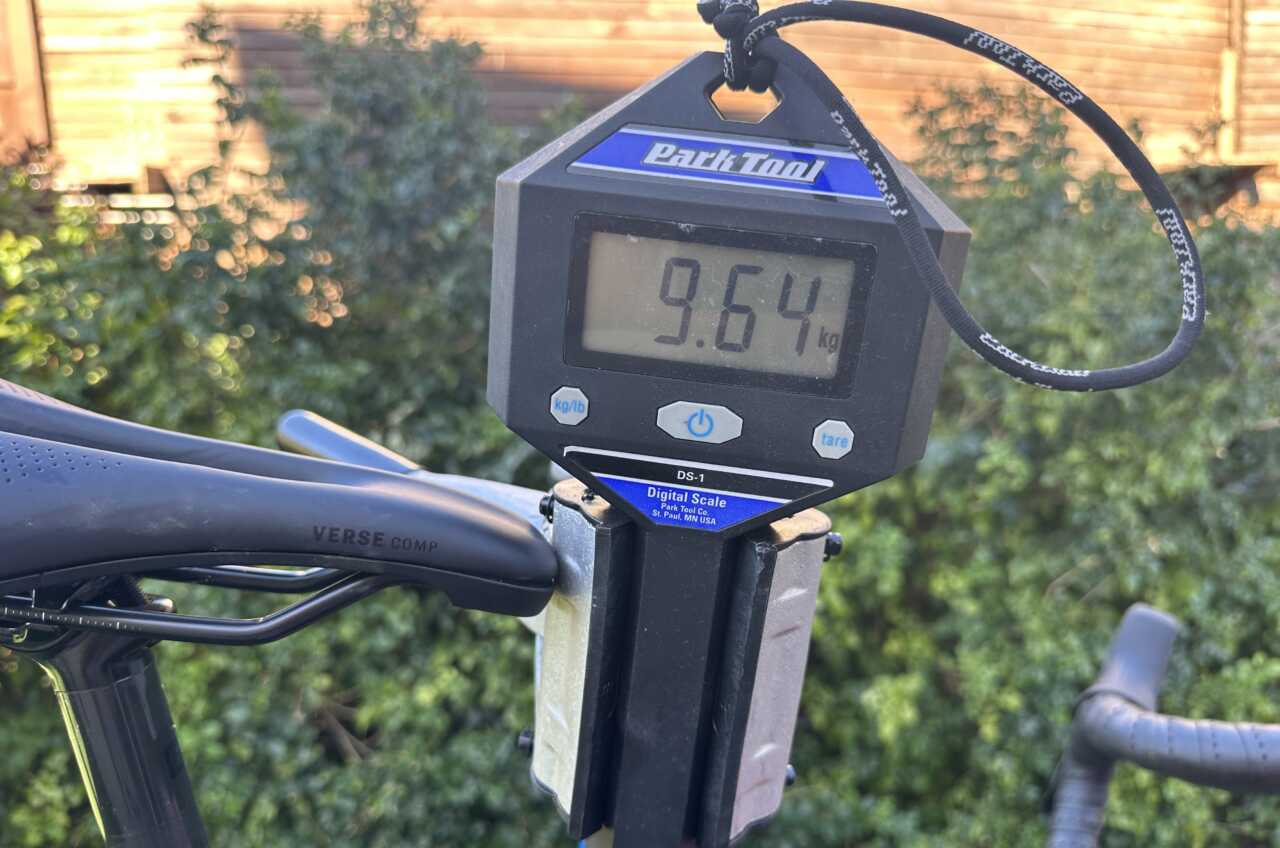
| ACTUAL WEIGHT | 9.64kg (with sealant, bottle cages, no pedals, in size medium) |
| RRP | R75 000 |
| MORE | trekbikes.com |
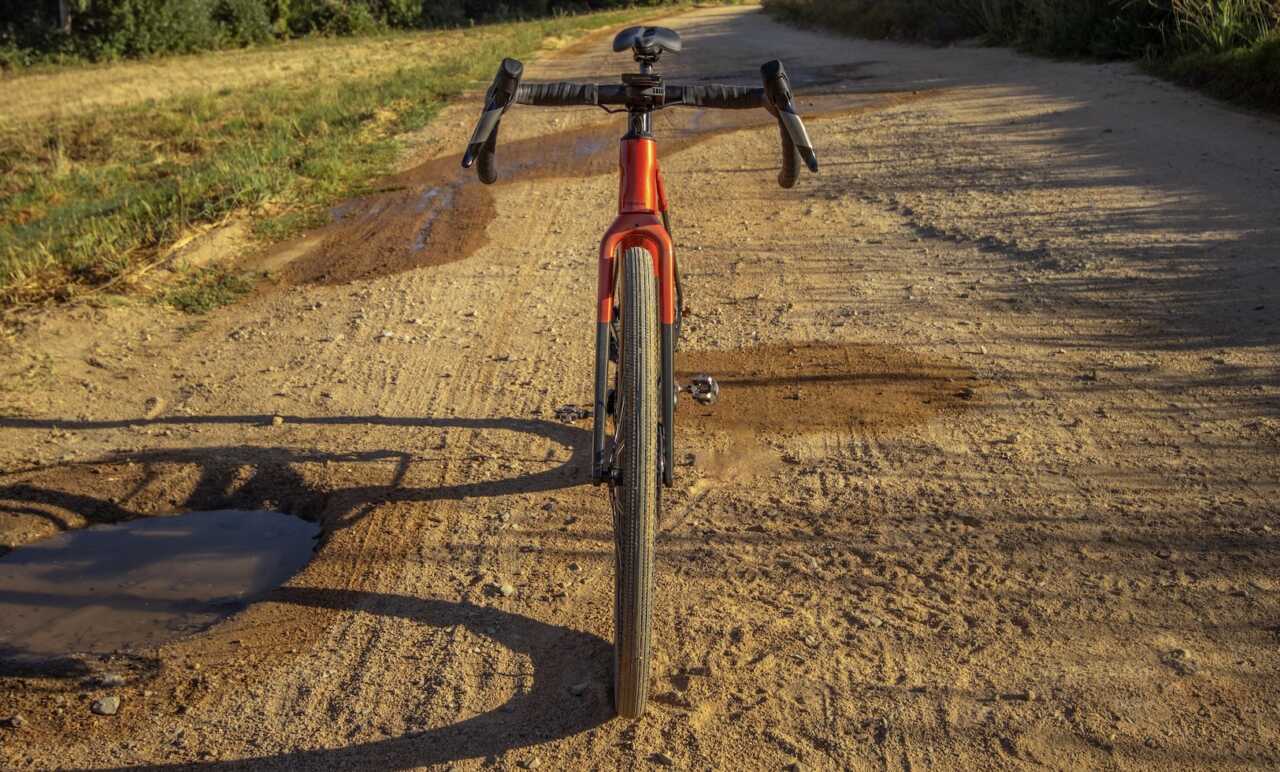
With generous tyre clearance of 50mm, abundant mounting points and built-in compliance, the SL 5 is equally comfortable lining up for a gravel event, heading out on an all-day adventure ride or carrying gear on a multi-day trip.
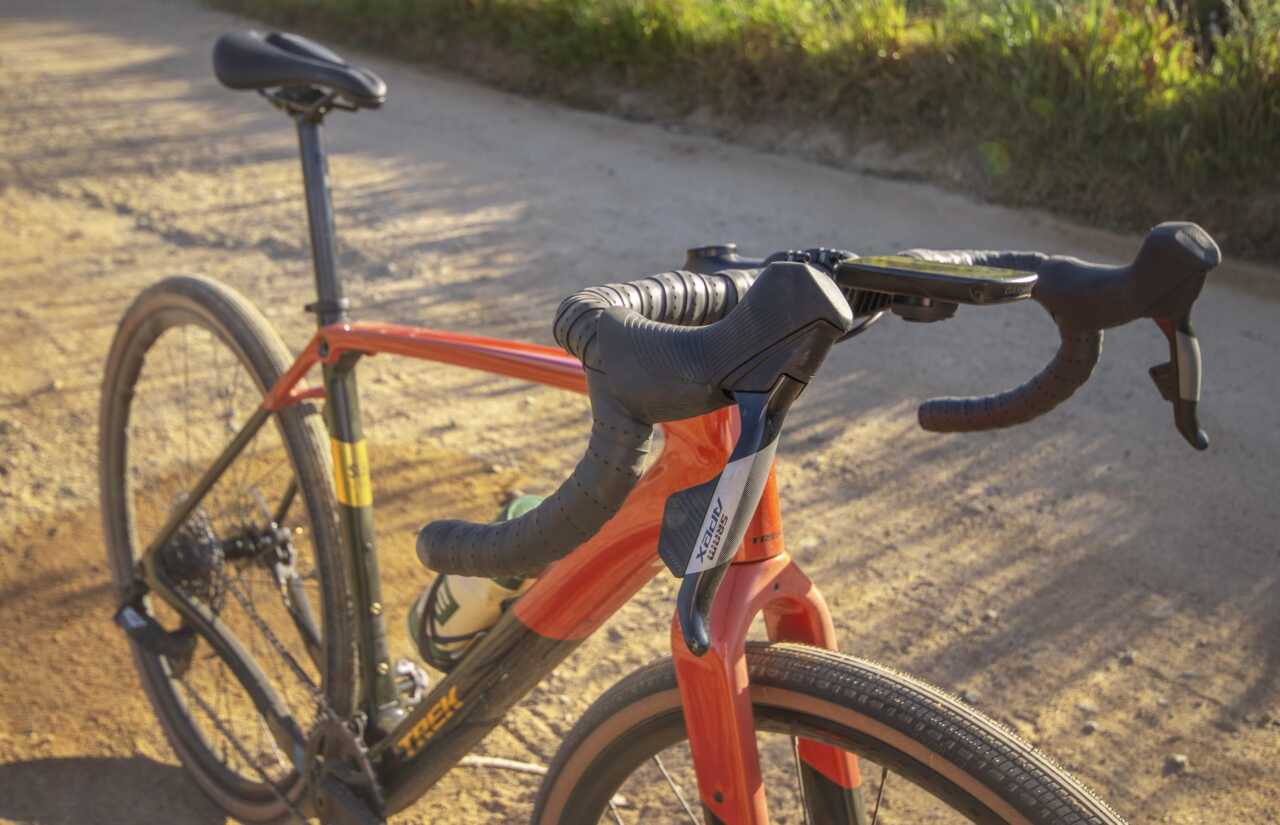
At the core of the Checkpoint SL 5 is Trek’s 500 Series OCLV carbon frame and fork. It’s a material choice that prioritizes durability and ride feel over headline weight savings and it suits the bike’s intended purpose well.
For riders interested in running a suspension fork, the geometry changes it makes will vary depending on the travel and sag settings. As an example, a 40mm travel fork, set to 20% sag will raise the front end by 12mm, at sag. Another example would be when running a 30mm travel fork, at 30% sag, in this scenario there will be little (probably none at all) impact on the dynamic geometry.
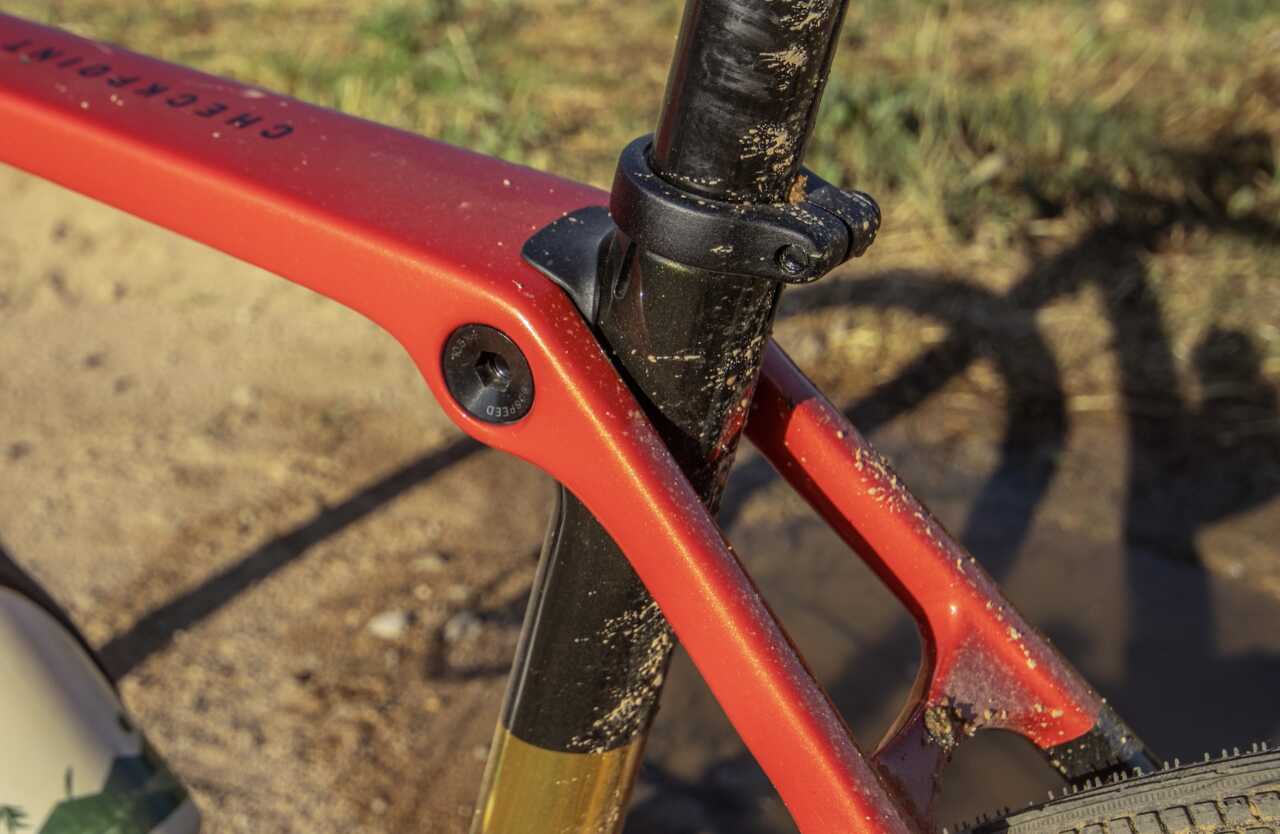
A defining feature is Trek’s IsoSpeed decoupler, which allows the seat tube to flex rearwards and independently of the rest of the frame. On South African gravel – often rough, bumpy and inconsistent, this system is designed to reduce fatigue without making the bike feel soft, disconnected or overly plush.
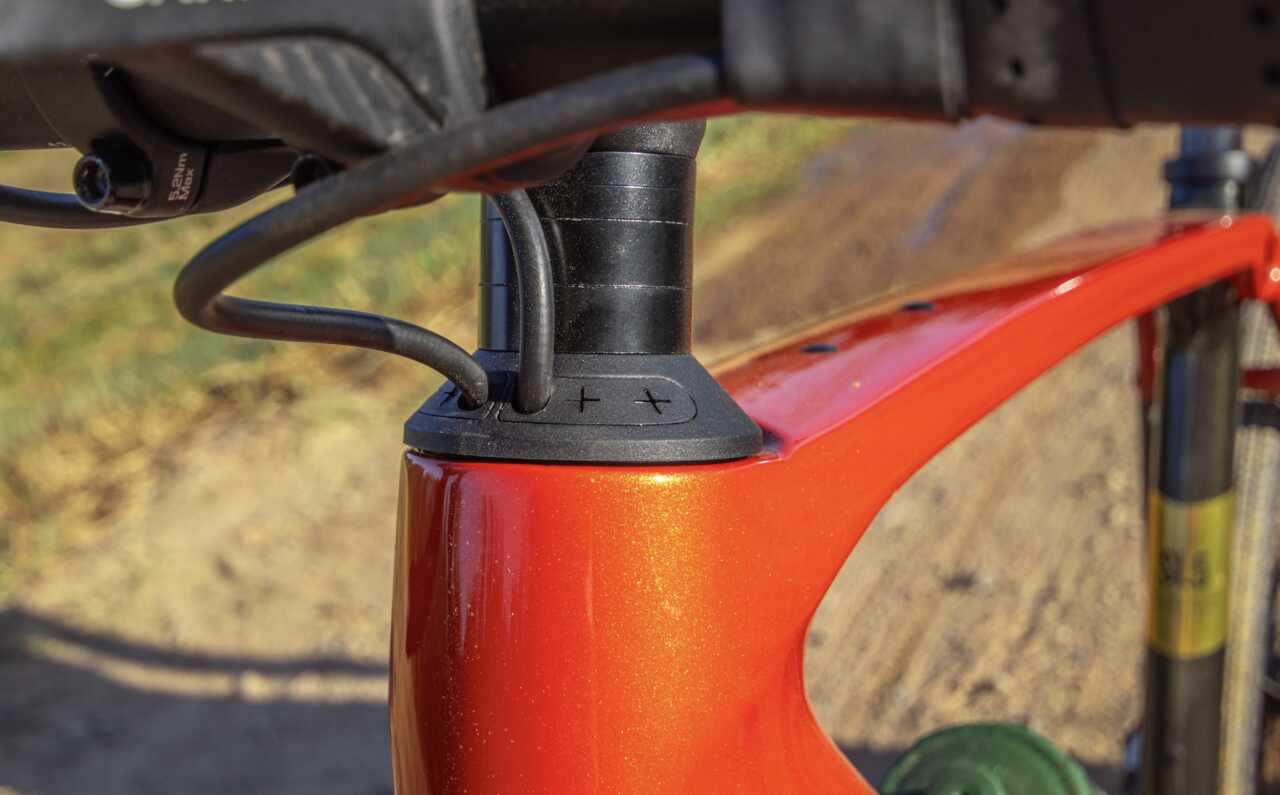
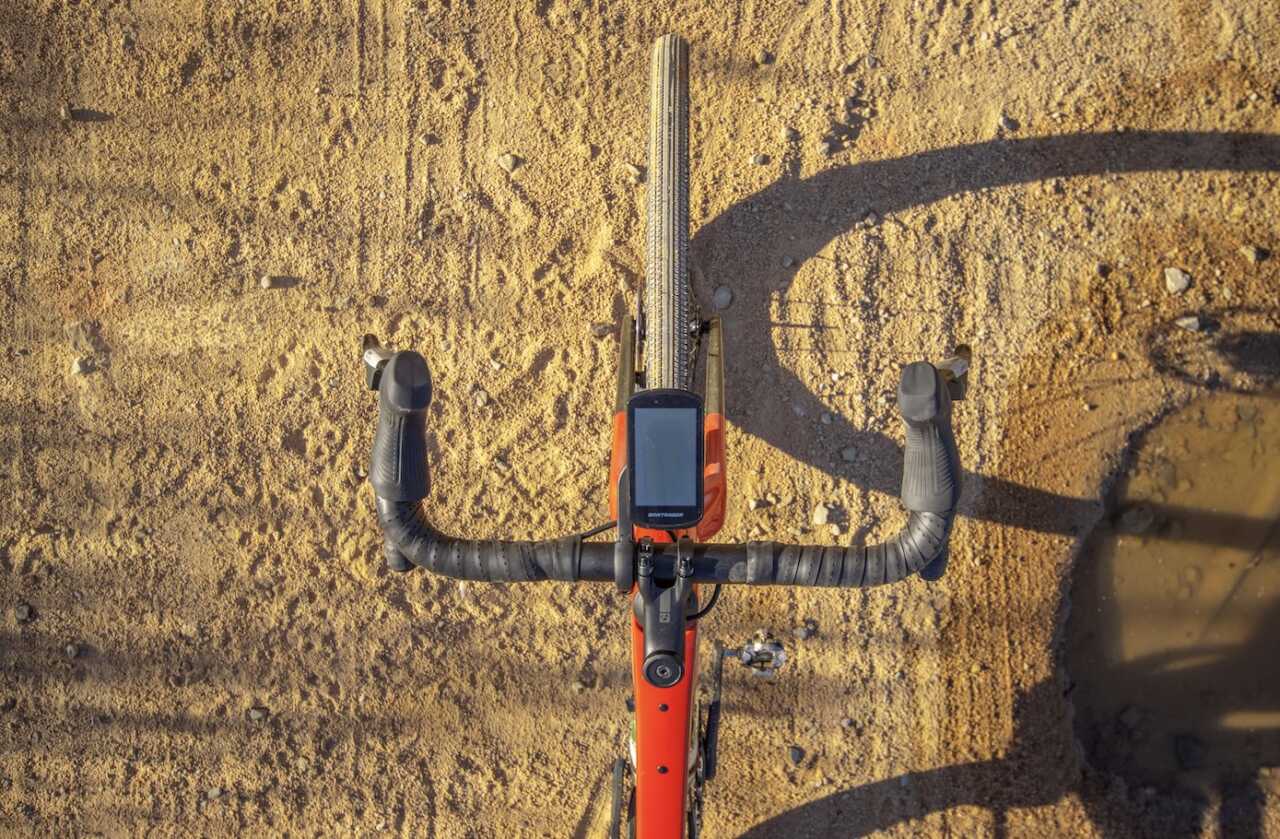
The geometry has been tweaked too. The new Gravel Endurance geometry has slightly shorter reach and higher stack numbers which essentially puts the rider in a more upright and relaxed position, with the aim of making longer rides, easier on the body. The head-angle sits at 71.6-degrees which is just a tiny bit slacker than the brand’s road whips.
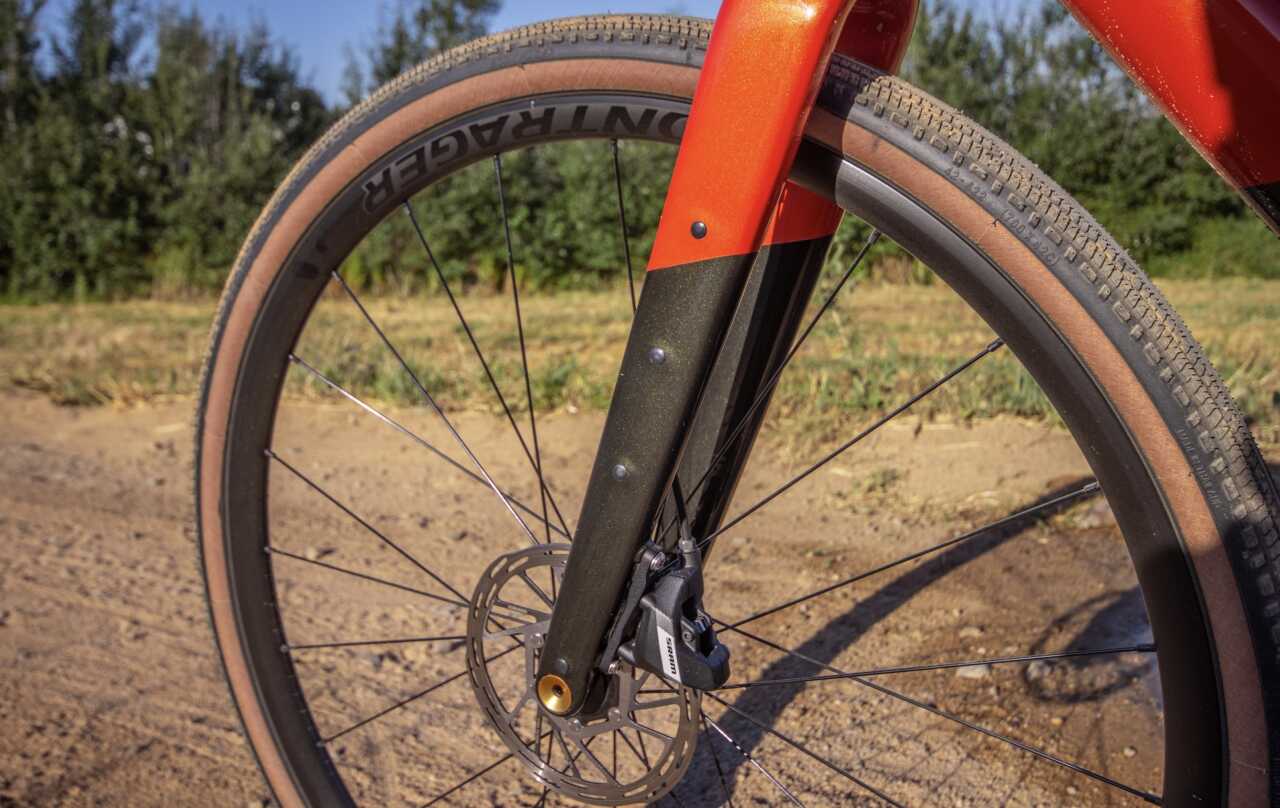
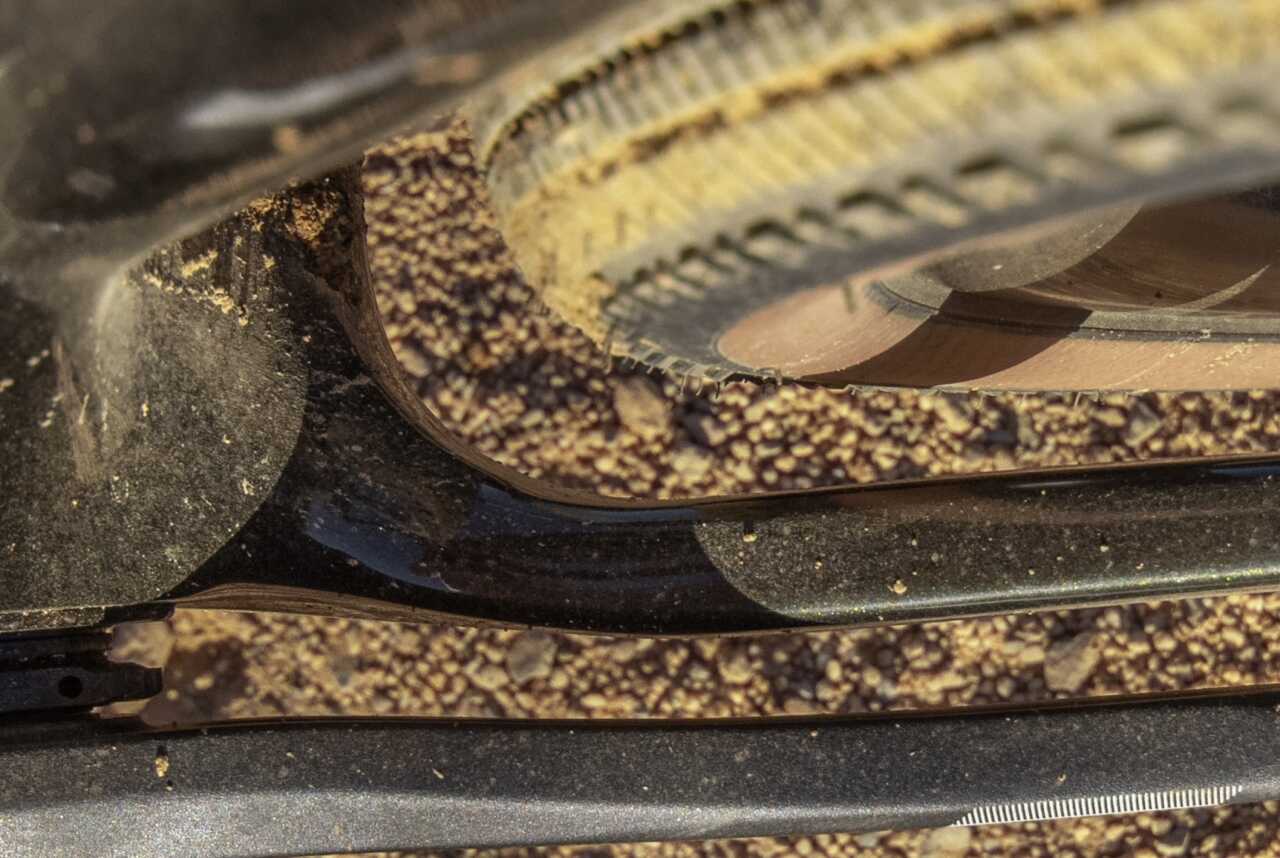
The new Checkpoint gets the sturdy UDH (Universal Derailleur Hanger) treatment making it compatible with thousands of hanger options inside the industry. The frame is compatible with mechanical drivetrains and would also accept one of SRAM’s 1×13 AXS XPLR (more on that here) configurations.
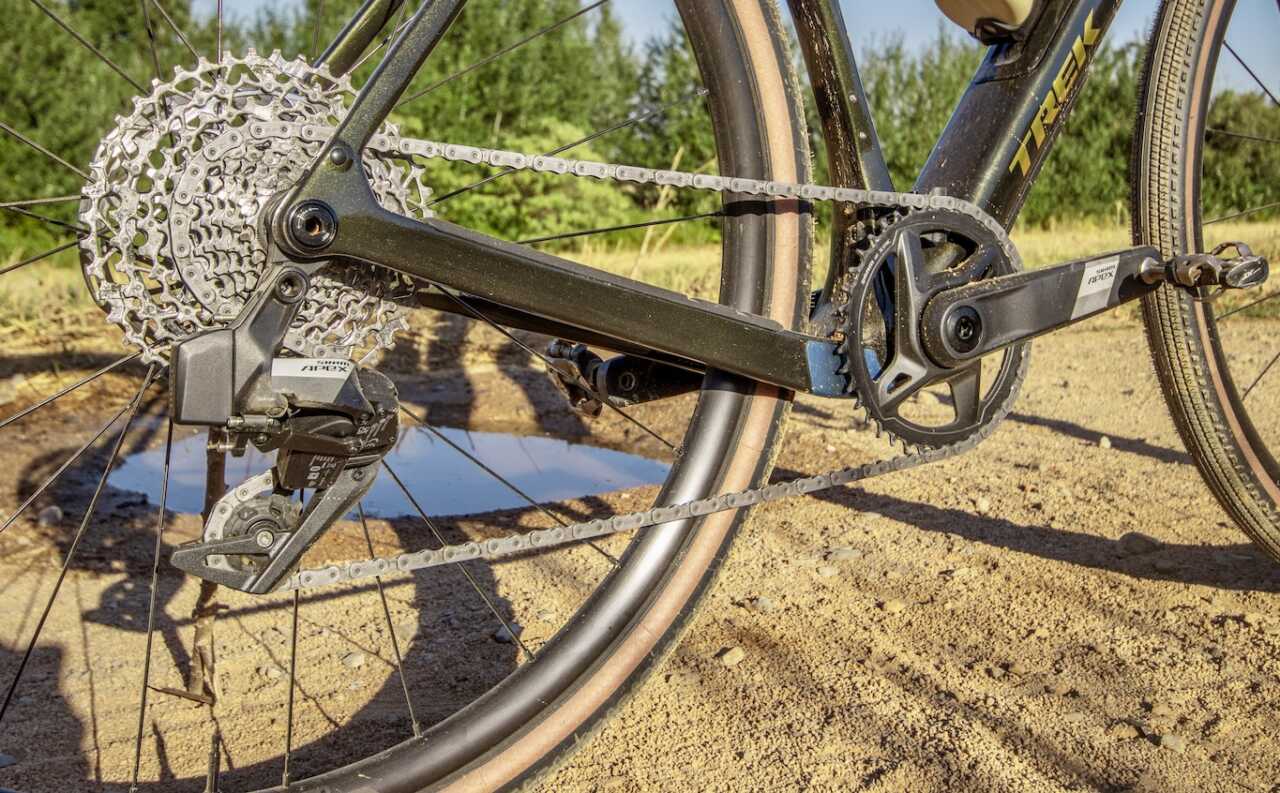
The SL 5’s build kit reflects Trek’s focus on practicality and reliability. It’s typically equipped with SRAM Apex XPLR AXS — a proven gravel groupset well suited to mixed-terrain riding.

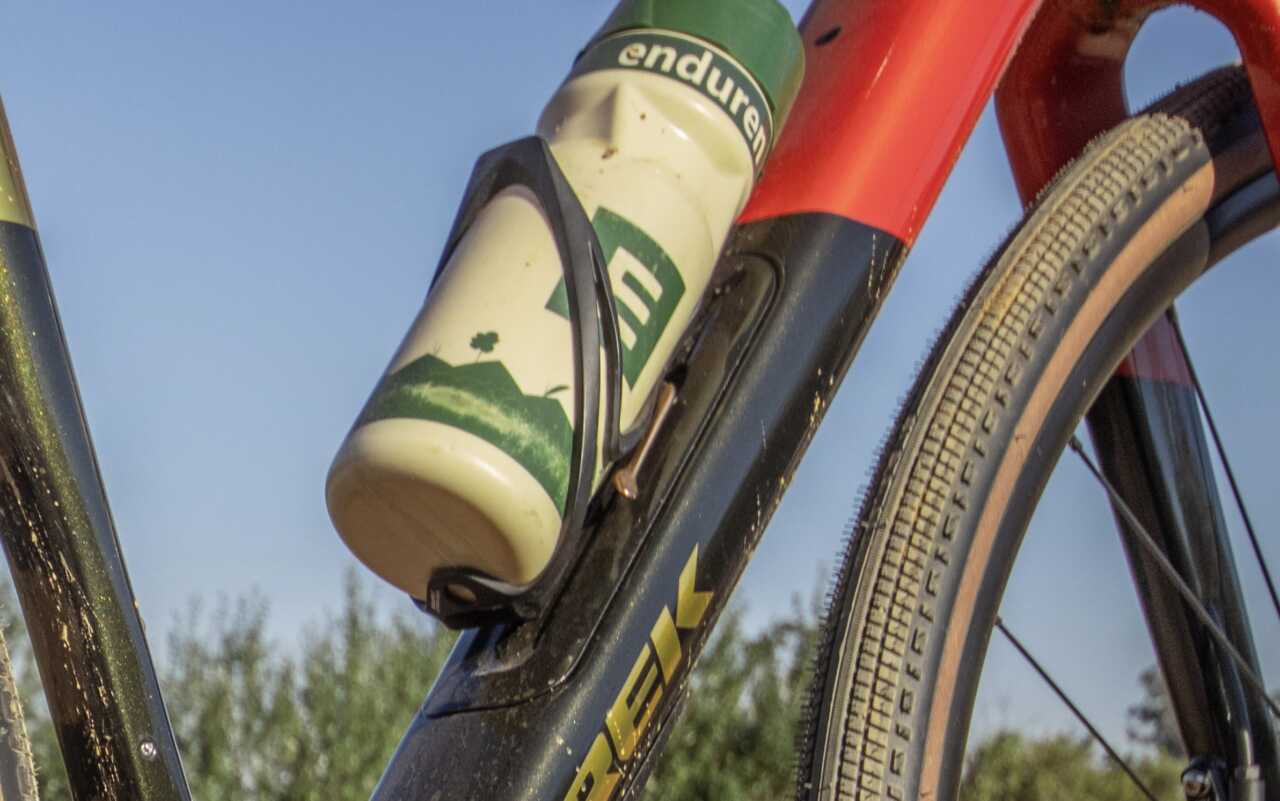
Looking at the storage solutions, the new Checkpoint SL has the same top tube, frame, downtube, fork, fender and rear rack mounts of the previous model and now features mounts for a front rack. There’s a ton of hydration storage solutions on the bike. Notably, the water bottle mounts inside the frame have been re-positioned to accommodate bigger water bottles, (on smaller frame sizes too) even whilst running the frame bags.
Ride Impressions
I’m a little over three months in with ±600km done on the Checkpoint and I’ve got a good idea on what it’s like to live with. By way of design, rather than pushing the boundaries of weight or aerodynamics, Trek has focused on ride quality and adaptability with this bike and that very much matches my impressions from the 12-week test.
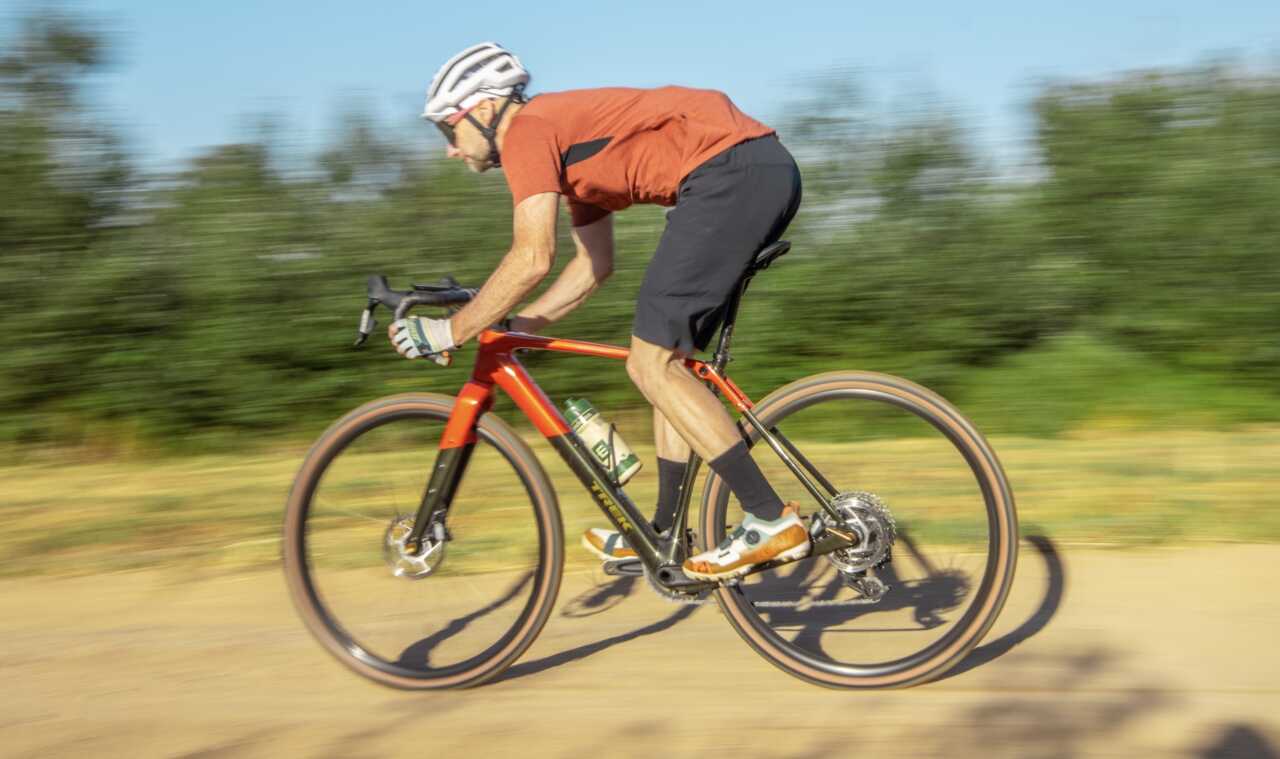
On the road, the Checkpoint SL 5 feels composed and unhurried. It’s not a bike that begs to be sprinted, but I felt it holds speed comfortably and transitions between tar and gravel without fuss. Once on dirt, the bike’s strengths become more apparent. The combination of relaxed geometry and IsoSpeed compliance deliver a comfortable and smooth ride. The geometry isn’t wacked out in either direction, which gives the Checkpoint a predictable feel, very close to a road bike. When the terrain is sketchy with loose gravel, washboard surfaces and rocks there’s a tad more calmness from the rear end which I put down to the IsoSpeed decoupler working it’s magic. Not once did I feel the seattube deflecting, but almost all the time (even on the road) the bike feels smoother than a fully rigid rig does.
Climbing is steady and predictable. Rather than explosive and hyper-responsive, I feel the bike rewards a smooth, rhythmic climbing style. On bumpy, rough or loose climbing surfaces, I felt like the IsoSpeed has the added benefit of improving rear wheel traction – probably because my butt doesn’t seem to bounce about on the saddle which in turn makes it easier to keep the power on.
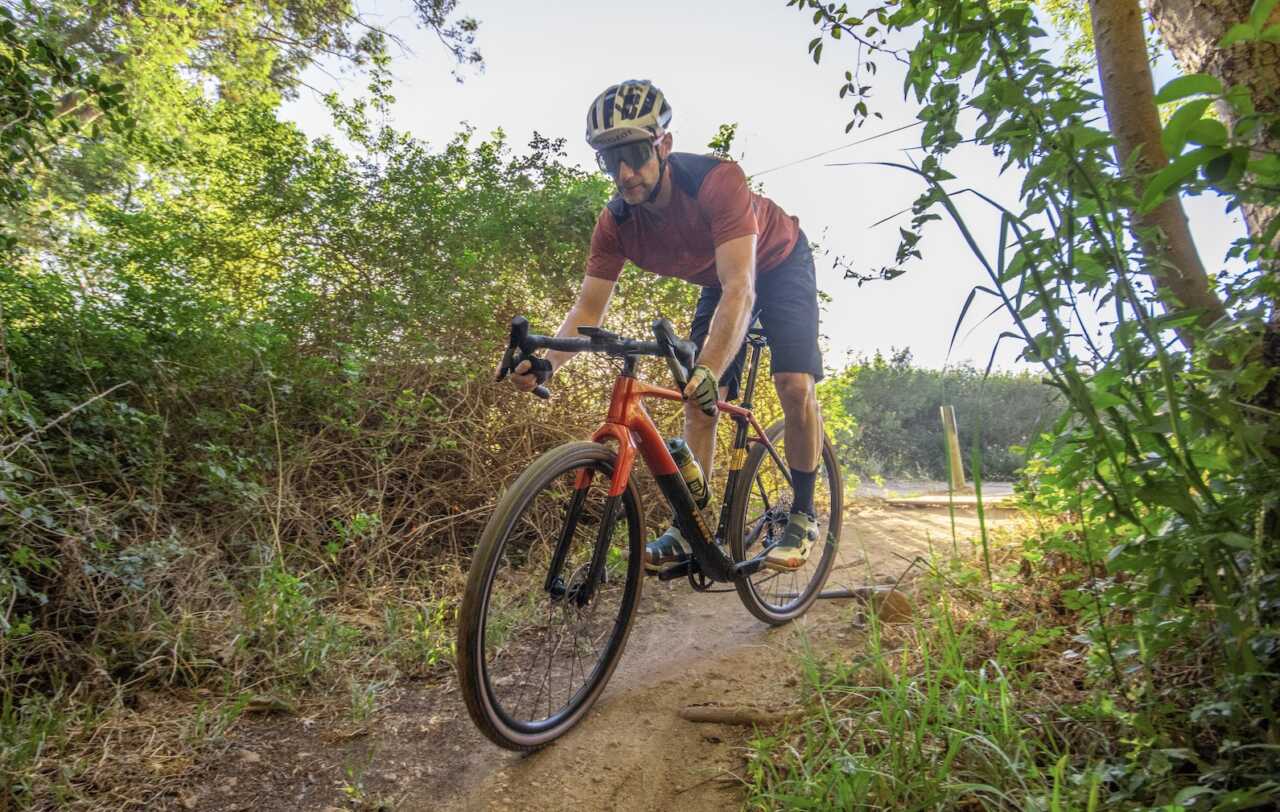
Looking closer at the performance of the components, the Bontrager wheelset and stock 42mm tyres are solid rather than spectacular performers, but they’re well-chosen for the bike’s intended use. The combination of durability, rolling-speed and decent grip for most conditions is ideal for a do-anything build. Seeking more performance out of the bike? – There’s plenty of scope to upgrade the wheels for a snappier ride feel, or move to 50mm tyres if the terrain needs it.
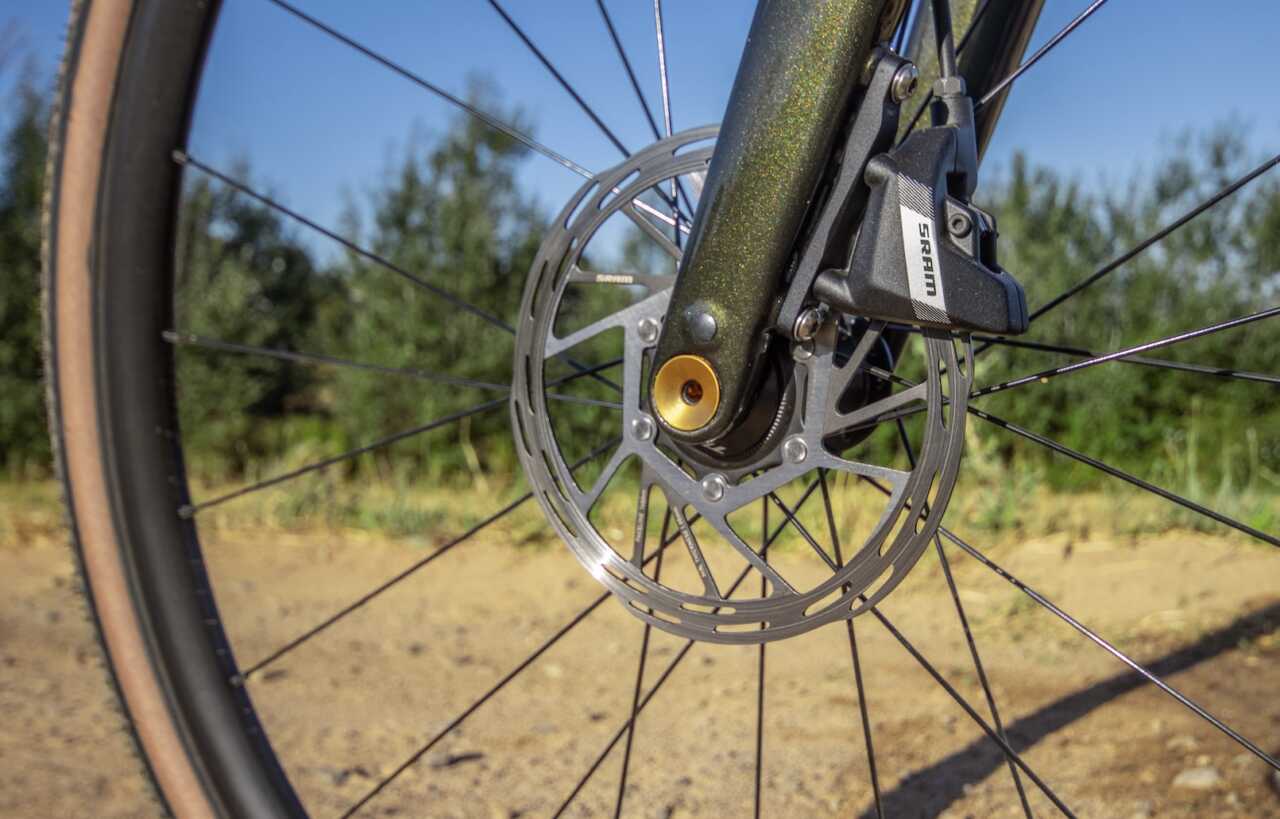
Staying with the components, SRAM Apex AXS XPLR is hugely underrated. The brakes have plenty of stopping power for my weight and speeds, they don’t squeak or squeal either. Whilst I did throw the chain off the big end of the cassette which was due to incorrect initial setup, that was the only glitch I had with the bike in the entire test. Shifting is smooth and for a base-level drivetrain, it performs very well. Also worth mentioning is I had zero flats or cuts throughout the 600km test.
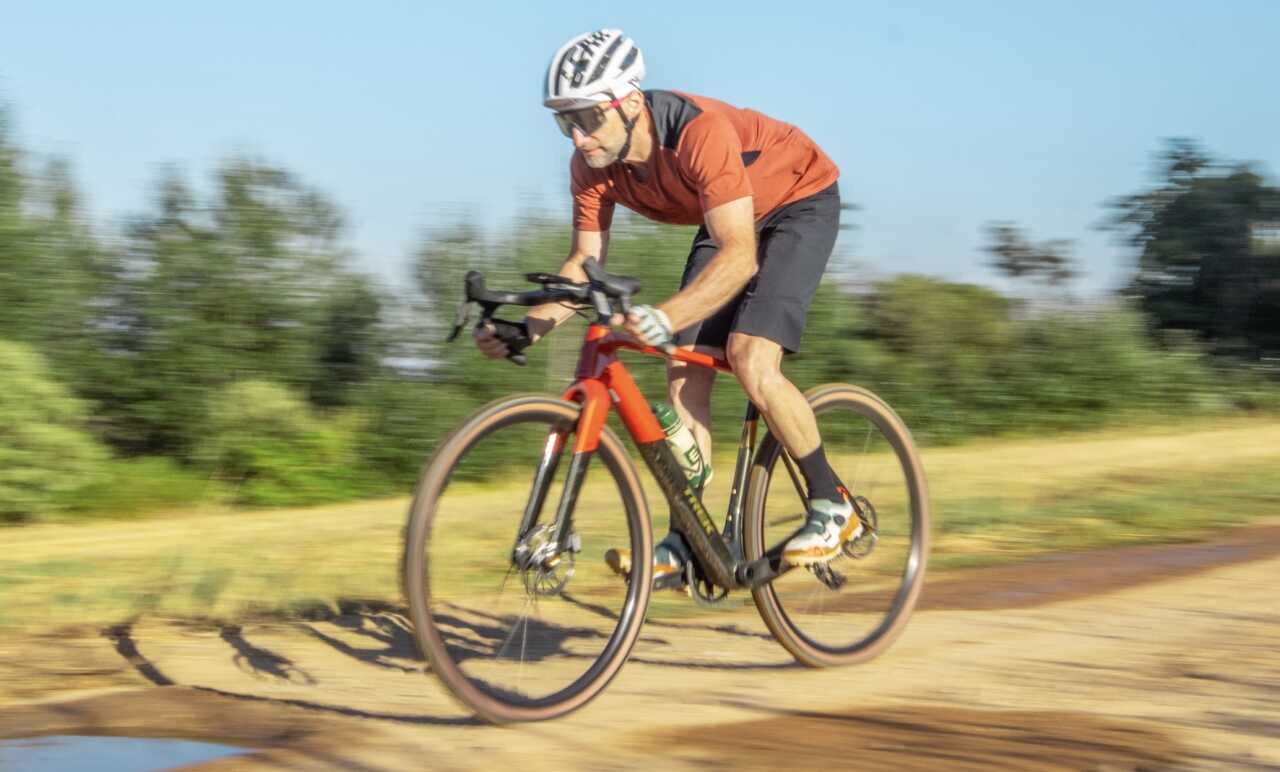
The standout ride characteristic has to be it’s ability to take the edge off bumpy terrain. Compared to fully rigid machines, the Checkpoint seems to roll over small square edges, corrugations, roots and rocks with relative ease. Something I noticed is this benefit becomes more apparent the longer the ride goes on.
Who is it for?
The Trek Checkpoint SL 5 is ideal for riders looking for one bike to do many things well. It suits gravel event riders, weekend explorers, endurance-focused riders, roadies who want to get away from cars and those curious about bike-packing.
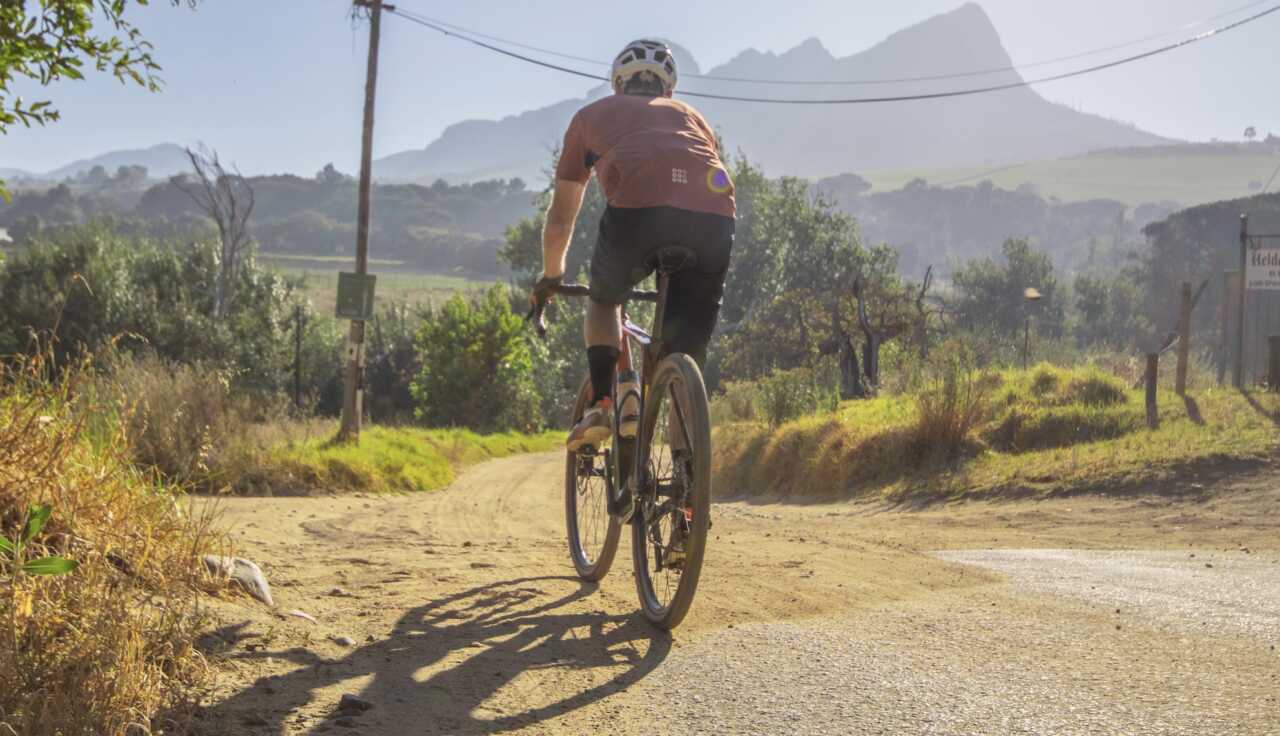
It’s particularly appealing to those South African riders who value comfort, versatility and durability over 100% pure race-day sharpness. Riders focused purely on gravel racing or minimal weight may prefer something more aggressive, but for most, the Checkpoint SL 5 offers a far more balanced proposition.
Verdict
The Trek Checkpoint SL 5 doesn’t try to redefine gravel riding, instead, it kind of refines what already works. It’s comfortable, capable and thoughtfully designed in a way that suits the kind of riding conditions we South Africans know well. The two best features are the internal frame storage and the IsoSpeed that add convenience and performance.
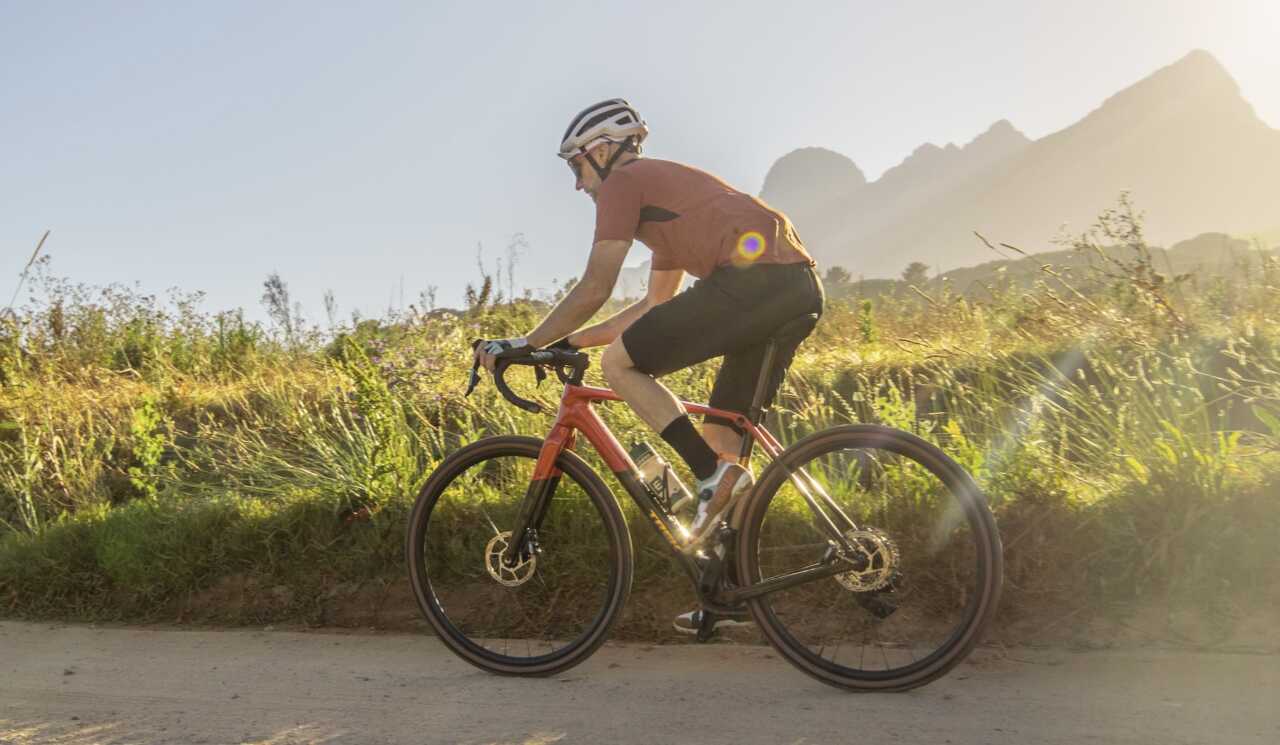
With its proven carbon frame, endurance geometry and impressive versatility, it’s a bike that encourages exploration rather than limitation. For riders seeking a dependable, adaptable gravel bike that will remain relevant as their riding evolves, the Checkpoint SL 5 is an easy recommendation. //