

Review: Commencal Meta Power TR, Ohlins Edition

In 1982, former Paris Dakar racer Max Commencal started his first bicycle company. It was a major success, winning more world titles than you can shake a stick at. 40 years later he is still doing what he loves; building bikes for riders to play or win on.
| WORDS: Myles Kelsey | IMAGES: Troy Davies | LOCATION: TokaiMTB, Cape Town |

Commencal is a brand that innovates quickly. When something is sub-optimal and marginal gains are at stake they’ll dive right in and update things. It’s this rapid ‘re-engineering’ approach, no doubt born from their wealth of elite level racing experience, that keeps their products well-refined. Having owned three Commencal’s over the last 15 years I have a fair bit of first-hand experience with the technical sophistication they engineer into their bikes. You can feel it in the ride quality. My early model Meta, updated Meta 5.5 and first-generation high-pivot Supreme, were all incredible bikes and of the best at the time. As a result, coming into this review, my expectations were high…
DETAILS
– The Frame –


With the Meta Power TR, Commencal have set out to deliver an all-rounder with dynamic performance no matter what the trail is doing. Yea yea – just another trail bike I hear you say – well the truth is these guys painstakingly examined and imagined the best kinematic, travel and geometry for the ups, downs and techy bits. Prototype after prototype led them to this iteration.

As with the majority of their bikes, Commencal uses their 4-bar linkage “Contact System” layout and have designed this one to deliver performance in four key areas. Comfort, a precise or accurate ride, pedal efficiency and a reduction of rider fatigue during impacts. Those are pretty key performance areas when it comes to the eTrail category and are not easily combined. Over the years, I’ve ridden a handful of rich eTrail bikes that fail in at least one of those areas.


– Geometry –
In terms of adjustability, a single flip-chip inside the shock yoke alters the angles by 0.4 and the BB by 4mm. Meaning a 64.1° or 64.5° head-angle is possible and that tweaks the seat tube between 77.1° and 77.5° too. Coupled with a BB drop of 25,5mm, 453/4mm chain stays and longish reach numbers the geometry is not cray cray for trail. When looking at sizing, I’d say just watch those reach numbers. When comparing with other brands, size for size that is, the Commencal bikes are generally a whisker longer. And whiskers matter.

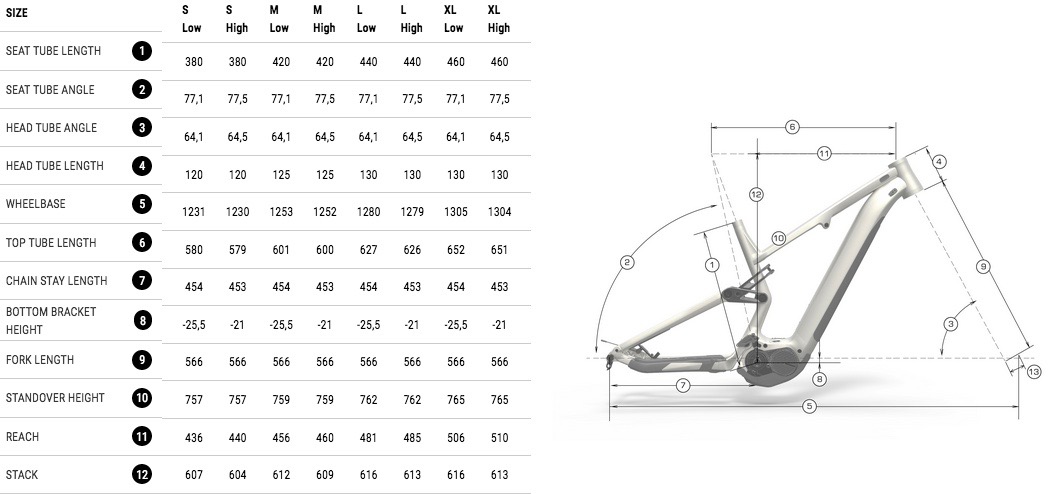
There’s four sizes in the range with reach numbers extending from 436 up to 510mm. The seat tubes are short so compatibility with longer dropper posts is no problemo. The chain stays are also a little longer than they could be for a bike with 140mm of travel but the days of ‘short chain stay mania’ are well behind us now. Thank goodness!
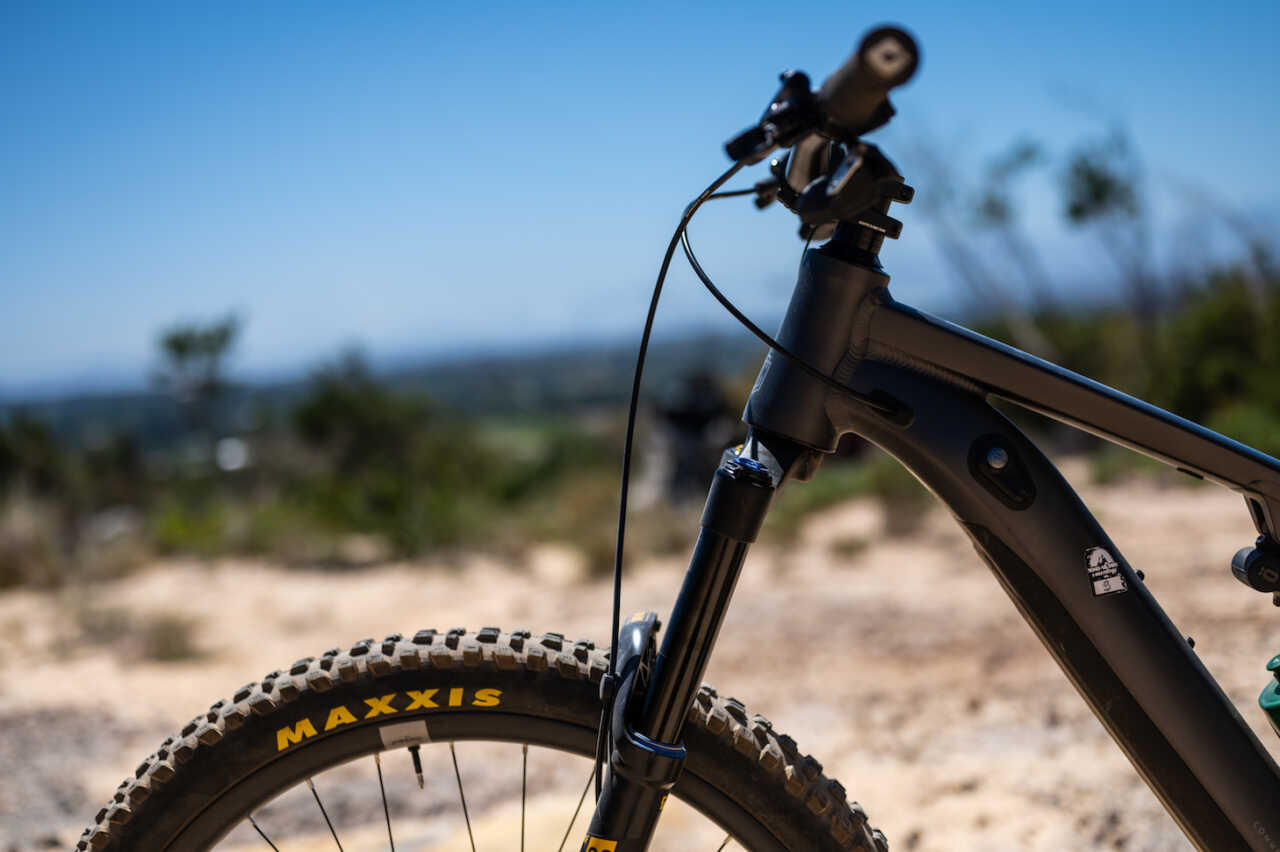
10 years ago a 64° head angle was downhill bike territory. The trickle-down of tech has improved the handling and capability of trail bikes making them safer and more fun to ride. With DNA entrenched in the gravity and trail segments of the sport, Commencal are well-positioned to understand and embrance this.
– Build Kit –


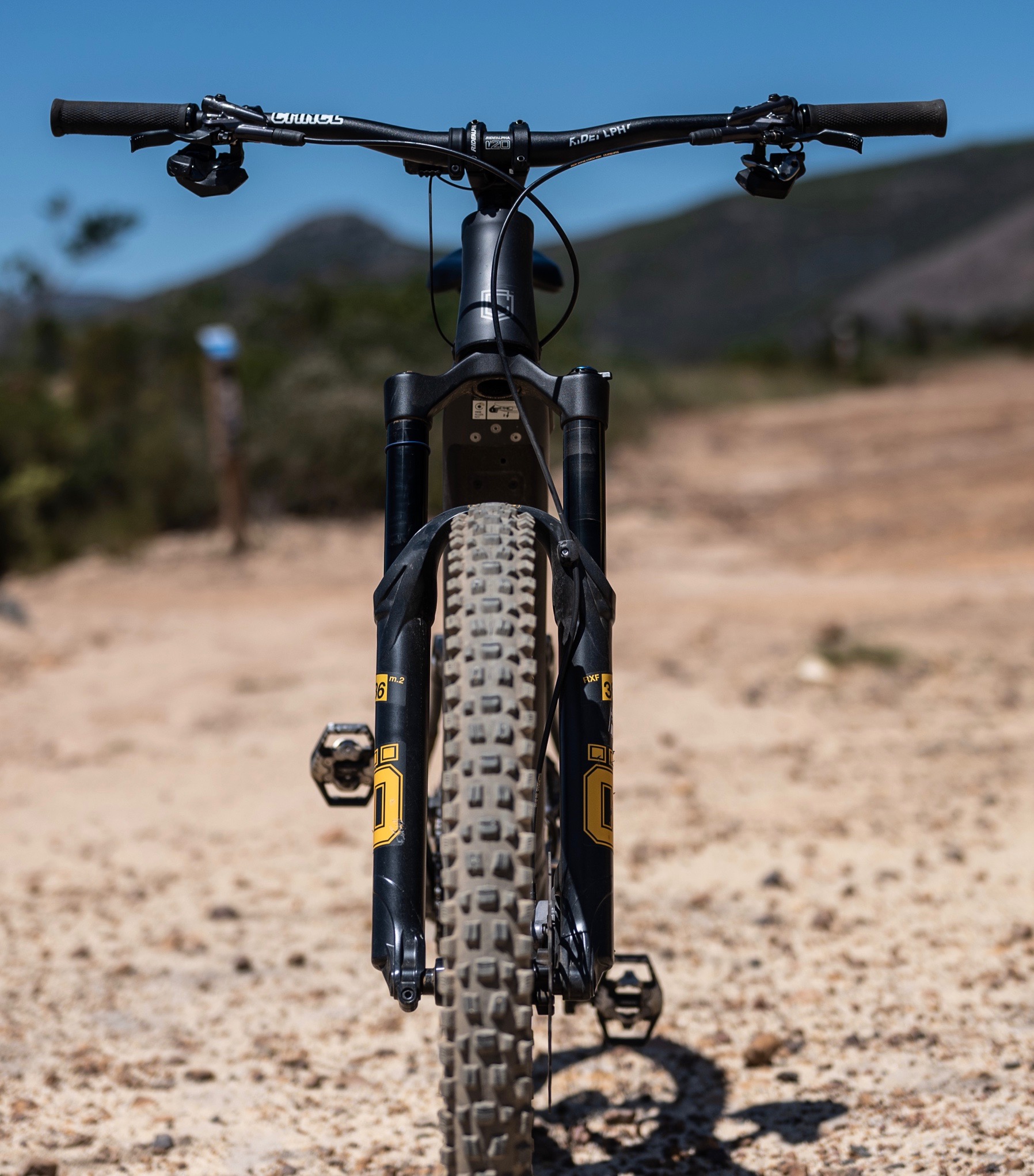
The Ohlins Edition is only available in SA on special order so it’s a pretty cool opportunity to get to sample the damping of the Swedish brand, Ohlins. The test bike belongs to SA athlete Matt Lombardi who campaigned at the eMTB XC World Cups with this very bike. The only changes to the stock/production build are the carbon South Industries wheels, made right here in the Western Cape bru.


| FRAME | 140mm rear, 29″, 6066 Triple Butted Alloy frame, Enduro Bearings |
| BATTERY | Shimano 630Wh |
| CONTROLLER | Shimano |
| MOTOR | Shimano EP8, Max torque 85Nm and 250W |
| FORK | 150mm Ohlins RFX36 M.2, TTX Damper, HSC, LSC, Rebound, Ramp Chamber, 44mm offset |
| SHOCK | Ohlins TTX2 Air, LSC, HSC, Rebound, 210×55 |
| BARS | 780mm wide, 27mm rise by Ride Alpha with internal cable routing |
| STEM | 40mm Ride Alpha |
| SADDLE | Fizik Terra Aidon X3 |
| SEATPOST | RockShox AXS Reverb |
| WHEELS | South Industries Enduro Carbon with Hope Pro4 |
| TYRES | Maxxis Assegai and DHR2 combo in Maxx Grip compound with Double Down casing |
| CASSETTE | SRAM Eagle XG-1275, 10-50T |
| MECH | SRAM GX Eagle AXS 12 Speed |
| SHIFTER | SRAM GX Eagle AXS 12 Speed |
| CRANKS | 160mm Shimano XT |
| BRAKES | Shimano XT, 4-piston caliper, 200m front & 200mm rear rotors by Galfer/Commencal |
| WEIGHT | 23.9kg (As tested, with sealant, bottle cage and no pedals) |


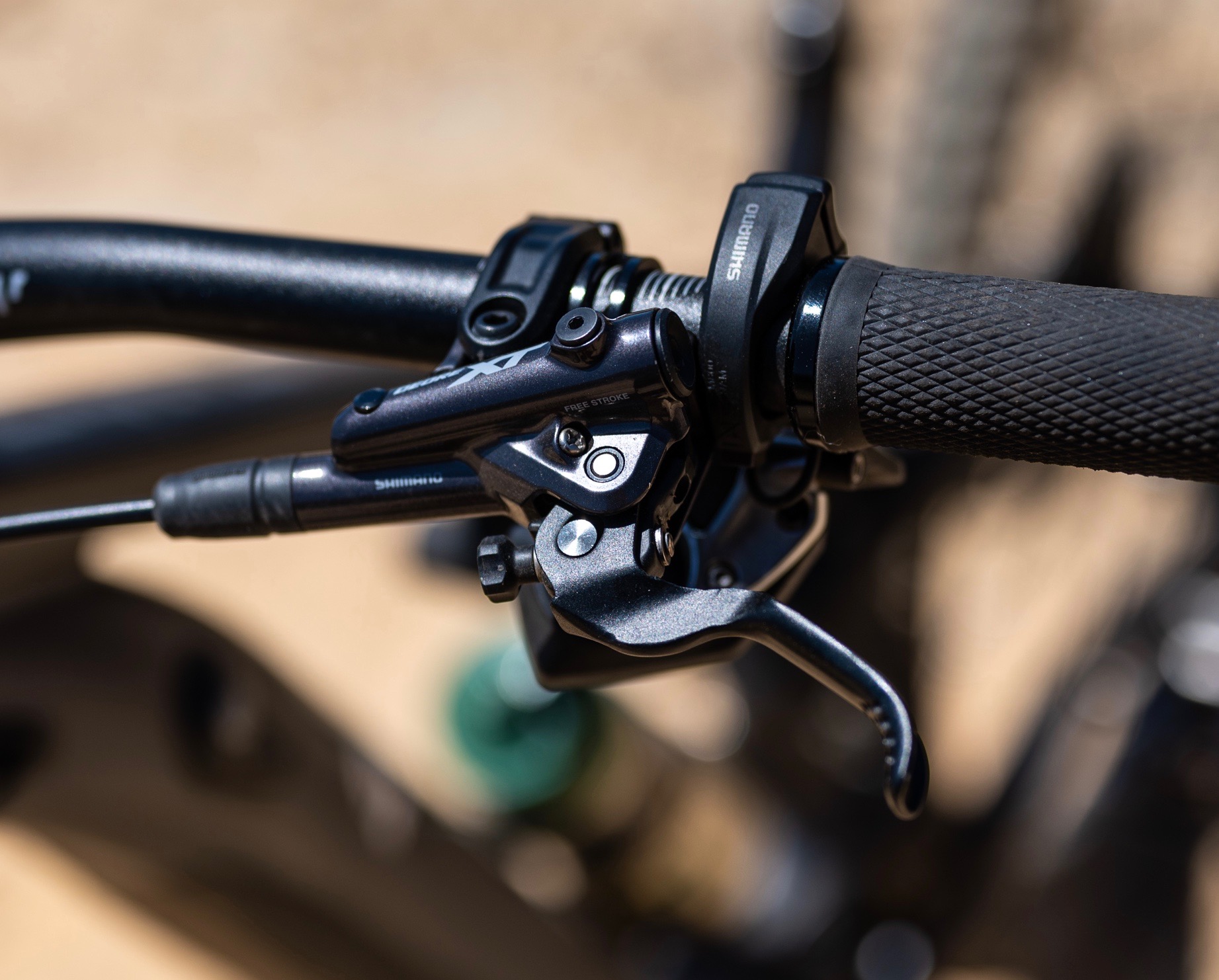
South Industries Enduro wheels carry a 31mm inner diameter with a shallow 25.50mm depth on Hope Pro4 hubs. The test bike had the highly capable Maxxis Minion DHR2 rear and Assegai front tyre, in Double Down casing. The bike has Shimano XT for stopping power with Galfer rotors. Completing the robust build kit is the wireless electronic SRAM GX Eagle AXS shifting with a 10-50t cassette.
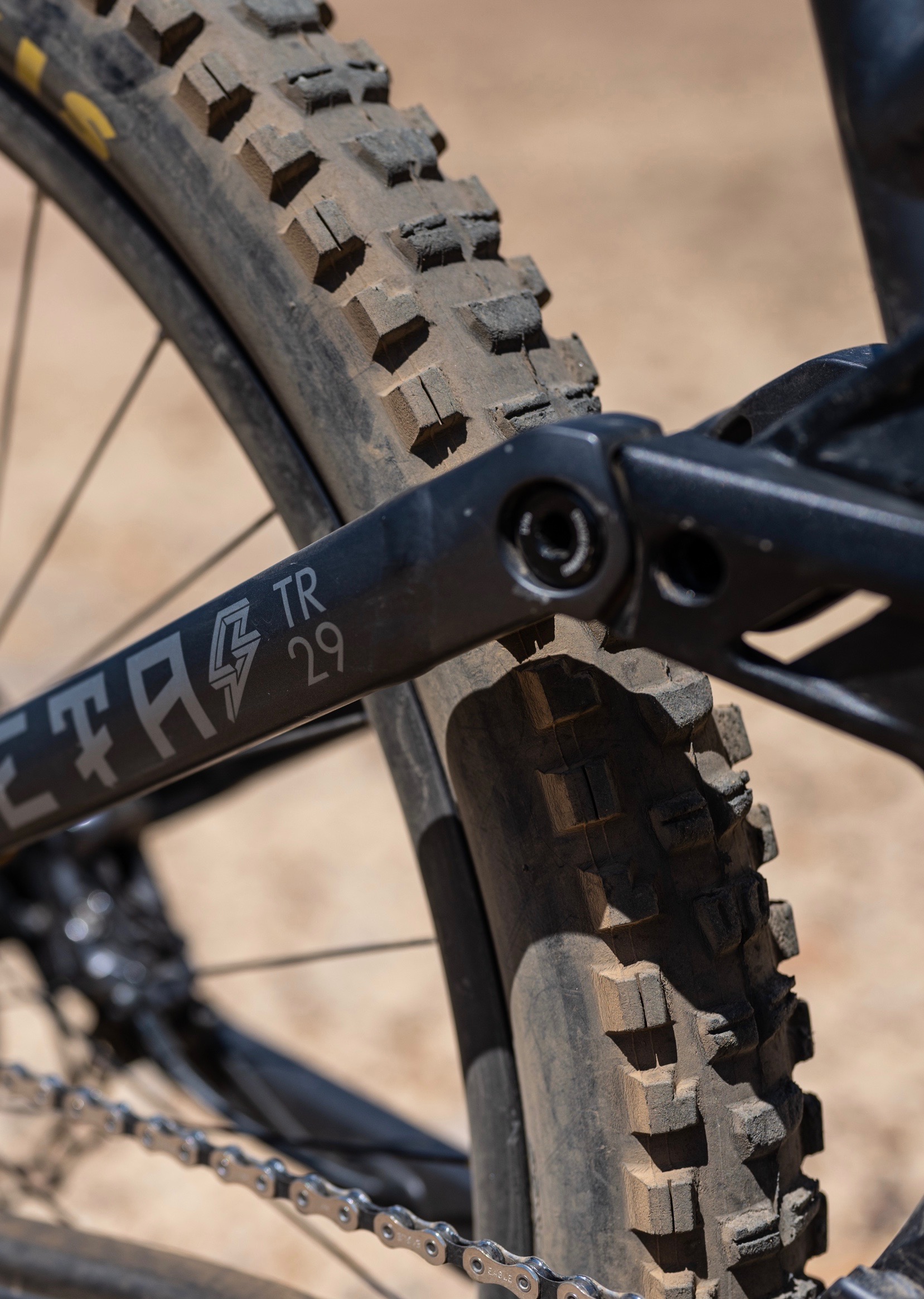
The base model, the Meta Power TR Ride runs the same Shimano System – that’s battery and motor, the same frame, has RockShox dampers, Spank rims, Formula hubs, SRAM SX shifting and SRAM Guide T brakes. Not a bad buy at around R100k. This Ohlins Edition would be a special order with pricing tbc on enquiry.

– Drive Unit –
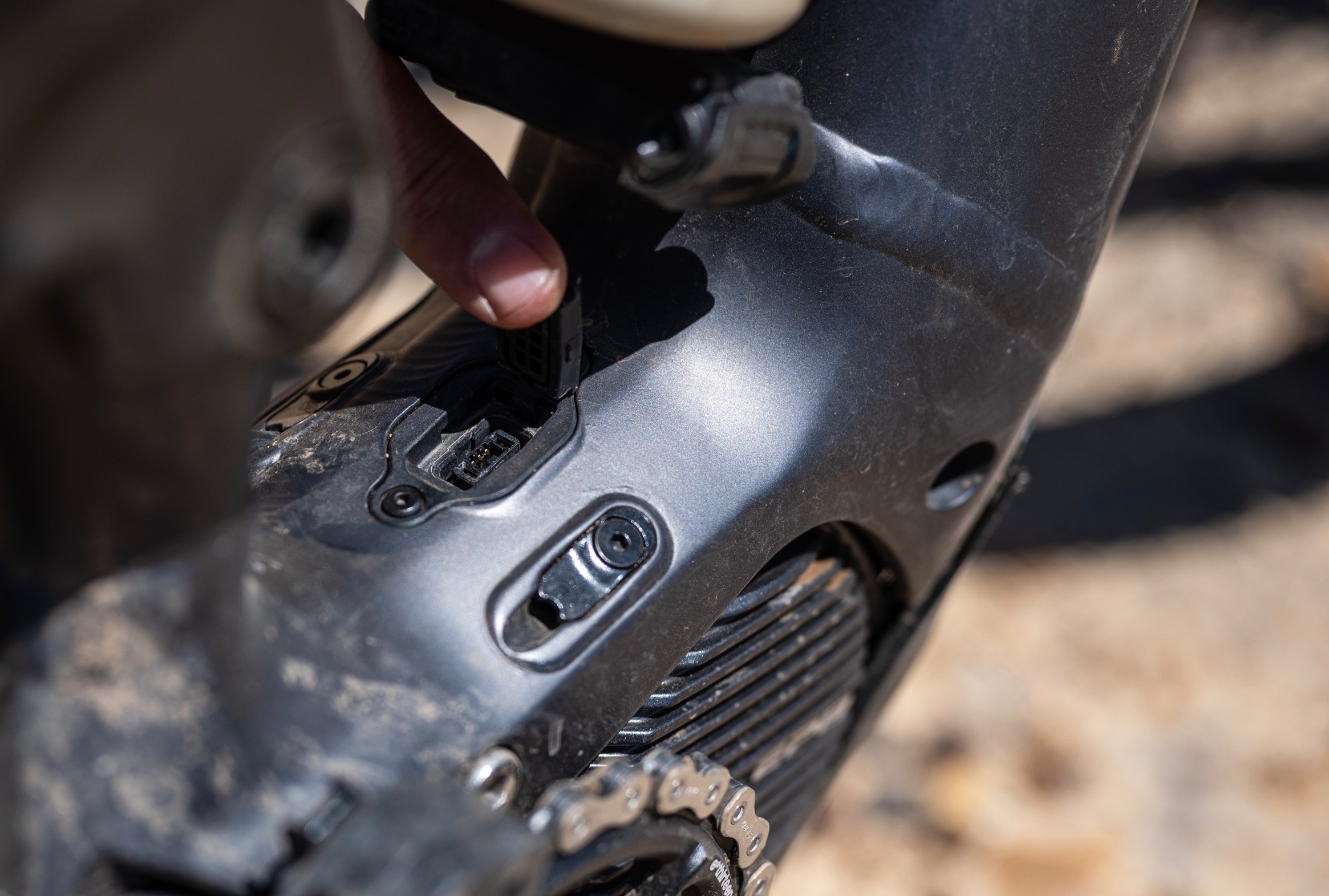
Shimano’s EP8 motor is a small unit that Commencal has positioned as low as possible to optimize the center of gravity – (lower is better). The maximum torque available is 85Nm with 250W and the integrated battery is a 630Wh unit. As you can see, this bike has taken some hits and despite that the skid plate is in one piece and fully functional – wasn’t me.

The on/off switch sits on the left hand side of the downtube and the charge port is located just above the motor. Access to the charge port is from the left or right hand side of the bike which is a small detail but it means you don’t have to flip the bike around to charge it.

The Shimano controller sits inboard of the left grip and there are 4 modes (including off) of support to toggle through. The bar mounted display is the current offering from Shimano and has been around for some time now. The system tops out at 25km/h but Commencal SA says they will cover the costs to upgrade that to the locally legal 32km/h limit.


LOCAL AVAILABILITY & SUPPORT
It’s a direct sell from a local warehouse yet Commencal South Africa is very much committed to working with bike shops and trail centres across the country. Here’s how:
For existing owners: Commencal South Africa runs the same Customer Care program that has been rolled out in Europe, Canada and the USA and is included in the purchase of a new bike. It’s all part of their Owner’s Club. When a rider has an issue with a bike they can speak to a Commencal technician and talk through the problem. If the owner doesn’t have “the necessary technical skills or tools” the bike can then be taken to a bike shop of the customer’s choice and the cost will be covered by Commencal. The brand will also cover any shipping charges that may be incurred in the process. Commencal Owner’s Club Members will also have access to benefits like discounts on Melon Eyewear, exclusive shuttle days, invite-only rides and more cool add-ons.
When buying new: Commencal South Africa can ship direct to consumer or to the bike store of the riders choice and they’ll cover the assembly cost. There’s also a pre-owned market on their locally run website where used bikes will be listed for sale with a factory-supported warranty. Existing owners also have the option to sell their used bikes back to Commencal or trade it in for a freshie.
RIDE IMPRESSIONS

– Performance of the build kit –
My first ride wasn’t the best experience as I ran a little extra fork and shock pressure than the recommended settings – my bad! The ride was (understandably) a little harsh on the small bumps. After fine tuning the pressures to exactly what the Ohlins charts suggested, the feel on the trail was completely different. The bike used full travel frequently and came alive. What’s impressive with the Ohlins damping is how quickly it settles after a big hit or series of medium sized bumps. Difficult to say if it’s any better than the top of the line Buttercup equipped RockShox forks (which I’m about to start riding) but I can say that Ohlins is real good. If you read the manual, the setup is pretty simple. About using full travel – there’s no harsh bottoming ‘event’ when the travel is up – that’s true for the fork and the shock. In fact, I only knew I was using all the mm’s when I glanced at the travel indicators.

After this test I’m even more convinced of the benefits of the SRAM GX Eagle AXS shifting. Under power, the shifting is fast and flawless. If your’e coming from an endurance background, the 160mm cranks may sound crazy but they offer tons of clearance from snipers, improve acceleration and offer a more stable stance when descending. All important benefits for trail riding. Shimano XT brakes have a lot of braking force and require little effort when feathering. I’m a big fan of the return speed of the RockShox AXS Reverb dropper – it snaps back up into position faster than most modern droppers do.

The wheelset is a personal choice by Matt (not a stock item) and my first rodeo with South Industries was dazzling. The wheels are solid and the Maxxis DoubleDown Maxx Grip tyres have more bite than a mosquito in February. I did a little over 14 hours of riding time for this test without a single issue from the bike. Not even so much as a whistle from a rotor that’s running hot. The build kit is impressive. Special mention to the in-house brand, Ride Alpha, the bars have a great sweep to them and there’s nothing funky to report here.
– Climbing –
A 130mm head tube, riser bar and 150mm fork is about exactly the right height (for a size large bike) to get into a good climbing position. Yes there’s still spacer and steerer tube lengths to tweak that climbing position more but I didn’t need to. With the seat up the hips are just where they need to be to get the power in for climbing.
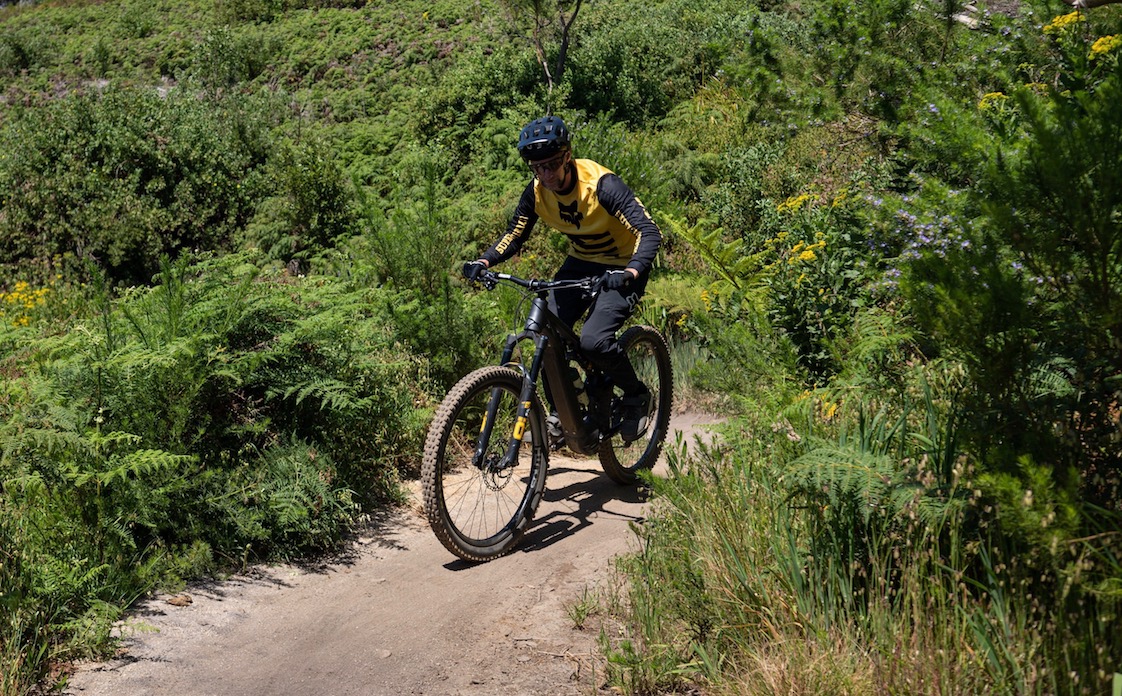
On a longer ride, using more Eco mode, I spent a lot of time climbing the Meta and it’s easy to put the leg power in and get the work done. The extra length (reach) also improves climbing as 1.) there’s more room when out of the saddle to move about and 2.) when seated, there’s more room to crouch into the bike and really get a workout. The slightly forward riding position and long(ish) chain stays help put more weight on the front end making it easier to keep the bike on track, especially on steeper sections of trail.

Regarding noise levels, I’d peg the Shimano system as being a little quietier than the Bosch, but perhaps a tad louder than the Brose. TQ and Bafang mid-power units are super quiet but then not in the same power class as this bike so it’s not an apple with apple comparison. All things considered, getting to grips with the drive system on the Commencal is really easy and the efficiency of the system is superior to many. There’s a lot of range to be had for this 630Wh battery and that’s likely due to operating efficiencies within Shimano’s EP8. Note to Shimano: please give us another mode – having four modes to toggle through on long rides would be very, um, 2023. The feeling of the Shimano system when climbing is good. The bike doesn’t mind lower cadence riding, there’s no dramatic fade in power when grinding.

Acceleration from standstill and out of corners is smooth on this bike and one thing is for sure – electronic shifting belongs on eMTB’s. The rapid and positive shifting of SRAM Eagle AXS works really well with the power these bikes push out.
– Descending –

First thing to mention is there is no battery rattle coming from inside the frame. None at all. I’m guessing they have some foam inserts or just tight tolerances to get that right. In fact, when descending at pace there’s very little chain slap, cable rattle or odd sounds coming out of the bike. It’s not the absolute quietest eMTB I’ve experienced when descending but it’s not far off it. Also to mention that the longer reach in the frame actually helps lift the front wheel up and over steep rough sections of trail. There’s more room to move about – compressing and unweighting without needing to hang too far off the back of the bike.

The bike is definately more capable than an average 140mm eMTB. It will gladly get sendy on faster trails. It actually surprised me just how aggressively it can be ridden. I’ve heard riders saying the Shimano system has a little more drag (when above the limit) but I’m not going to agree with them. This setup rolls very quickly.

Around 24kg with a lot of that weight placed lowdown means the bike is super stable in the air. The Meta Power TR is very comfortable and easy to jump with. Deceleration is an instant and powerful affair with the Shimano XT brakes. There’s a lot of stopping power there.

Manuals require a little more gym work to get right on the Meta. That’s the downside of an all 29er and long chainstays, but again, after the third ride I’d adjusted to just how much force is needed to put into the lift and my manuals on the bike were improving. The bike does have a playful nature, if you are willing to put in the physical effort.

There’s very little lateral flex coming from the frame and I think that’s one of the reasons it corners and holds lines very well. Mountain biking is all about choosing the smartest place to put your front wheel; a bike that is too flexy makes this tricky. The Meta Power TR tracks exactly on the line you point it into. Mid-turn drifts are also easier to feel and control. No need to panic. I’d say the beefy bearings, linkages and ‘swingarm’ contributes to this precise ride feel.
TAKEOUT

Not everyone wants to go full send on the trails. I think the Meta Power TR will please beginners and experienced trail shredders. It does do everything well. Throw in an extra shot of speed on a fun trail and the bike comes alive, safely. At speed, it’s more capable than I thought it would be. It’s bombproof, quiet and required zero maintenance through the test period.