


The Big Change That Is Making Road Bikes Significantly Better

Tyres – I’m talking tubeless and VERY wide! Don’t knock them until you’ve tried them…
I’ve spent the past 40 years riding drop-bar bikes, from bikes that would look almost comically old-fashioned by today’s standards to the increasingly sophisticated machines we ride now. In that time, road bikes have changed enormously. Some of those changes have been gradual, while others have arrived almost unnoticed until, suddenly, the bike industry has moved on and the old way of doing things seems strange.
For much of my riding life, the ideal road bike was relatively simple: narrow tyres, 100 to 120 psi, a super-slammed stem and a low riding position, with two chainrings. The industry largely built bikes for the masses based around what the professionals rode. As a result, for many years most riders rode bikes that weren’t the actual best setup for them. Things are changing. Today’s road bike is becoming something else. It’s still fast, but increasingly the emphasis is shifting towards speed and comfort. The big change that I think is having the greatest impact is around tubeless and tyre volume.

When tubeless tyres first appeared on road bikes, they felt like a solution looking for a problem. Poor rim/tyre tolerances meant tyre installation could be frustrating and the tyres weren’t wide enough for the real advantages of tubeless to be unlocked. Traditional inner tubes were also cheap, familiar and far easier to replace. That’s changed. Modern tubeless systems are considerably more mature and the advantages are increasingly difficult to ignore. Without an inner tube, there’s no conventional pinch flat and sealant can instantly fix most small punctures before the rider even realizes they’ve happened.
More importantly, tubeless has helped change the way we think about tyre pressures. A tubeless tyre can be run at lower pressures without the same concern about pinch flats, allowing the tyre to conform more effectively to imperfect road surfaces. That can improve grip, comfort and in the right conditions, rolling efficiency. Tubeless isn’t perfect. Mounting tyres can still be messy, sealant needs maintenance, and serious punctures can require a plug or inner tube to get you home. But after years of experimentation, tubeless road tyre technology is very, very good, and I can see it becoming more and more popular with everyday riders.

Then there’s tyre volume. While 28mm is now commonplace, 30mm, 32mm and wider tyres are increasingly appearing on World Tour bikes because the assumption that wider automatically means slower has largely disappeared. Modern tyre construction, wider rims and a better understanding of tyre pressures have shown that bigger tyres can roll extremely well while offering substantially more comfort and grip. That’s important because the roads we ride aren’t velodromes. They’re covered in cracks, potholes and badly repaired patches of tarmac. Not to mention that taxi that forces us into the gutter and glass, the bus that pulls out in front of us causing us to jump on the brakes or the swinging door from a parked car that requires a sudden direction change! Rant over.
A bigger tyre effectively gives the bike some damping and suspension. It takes the edge off those imperfections and allows the rider to maintain speed without being bounced around. Now, this is where I think the change is more significant than it first appears. Bigger tyres aren’t simply making road bikes more comfortable; they’re actually changing where we can ride, how far we can ride and how safe the experience is. A bike fitted with fast 32mm tyres can be perfectly at home on ordinary road surfaces while also being semi-capable of venturing onto hard-packed tracks and rougher lanes when necessary.
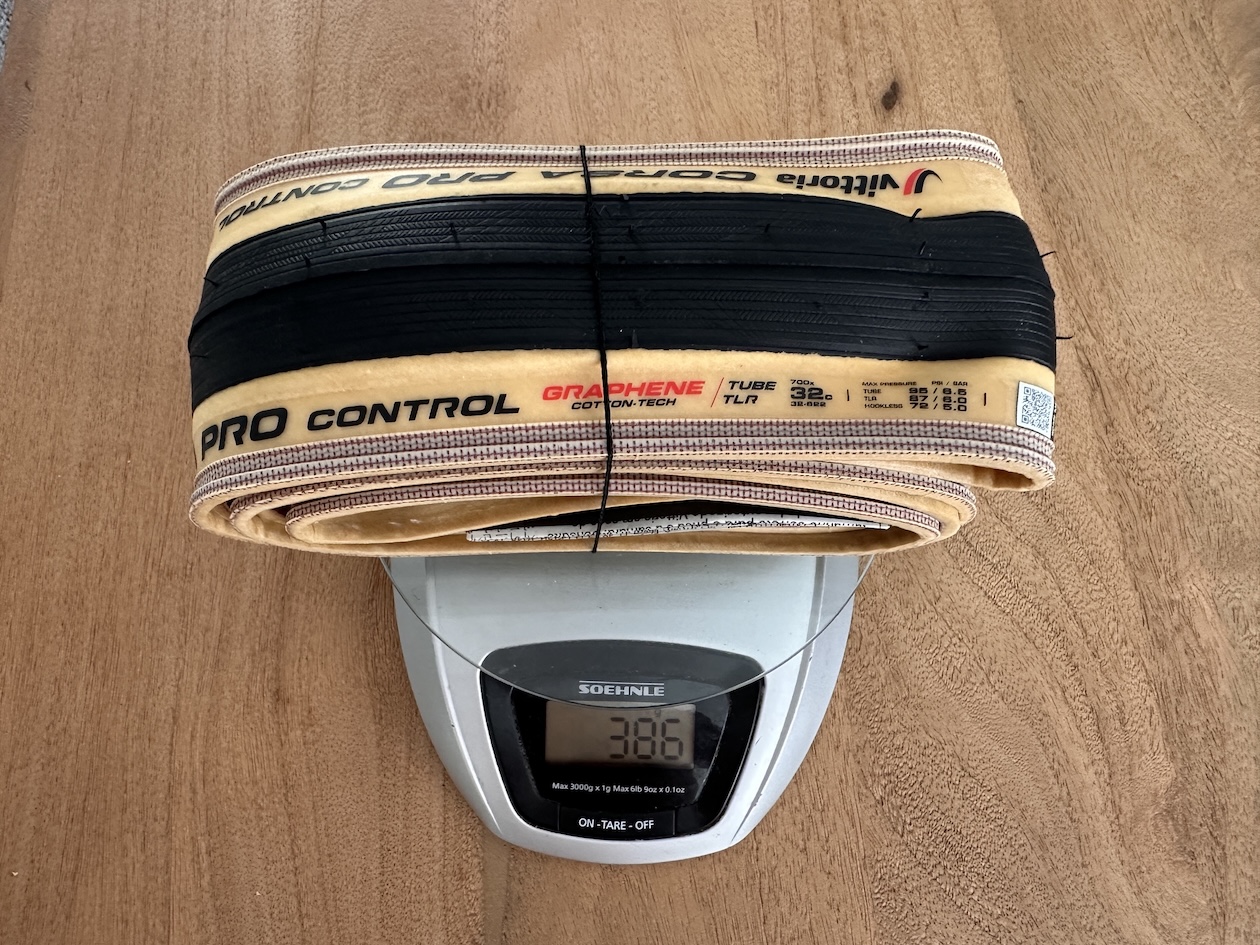
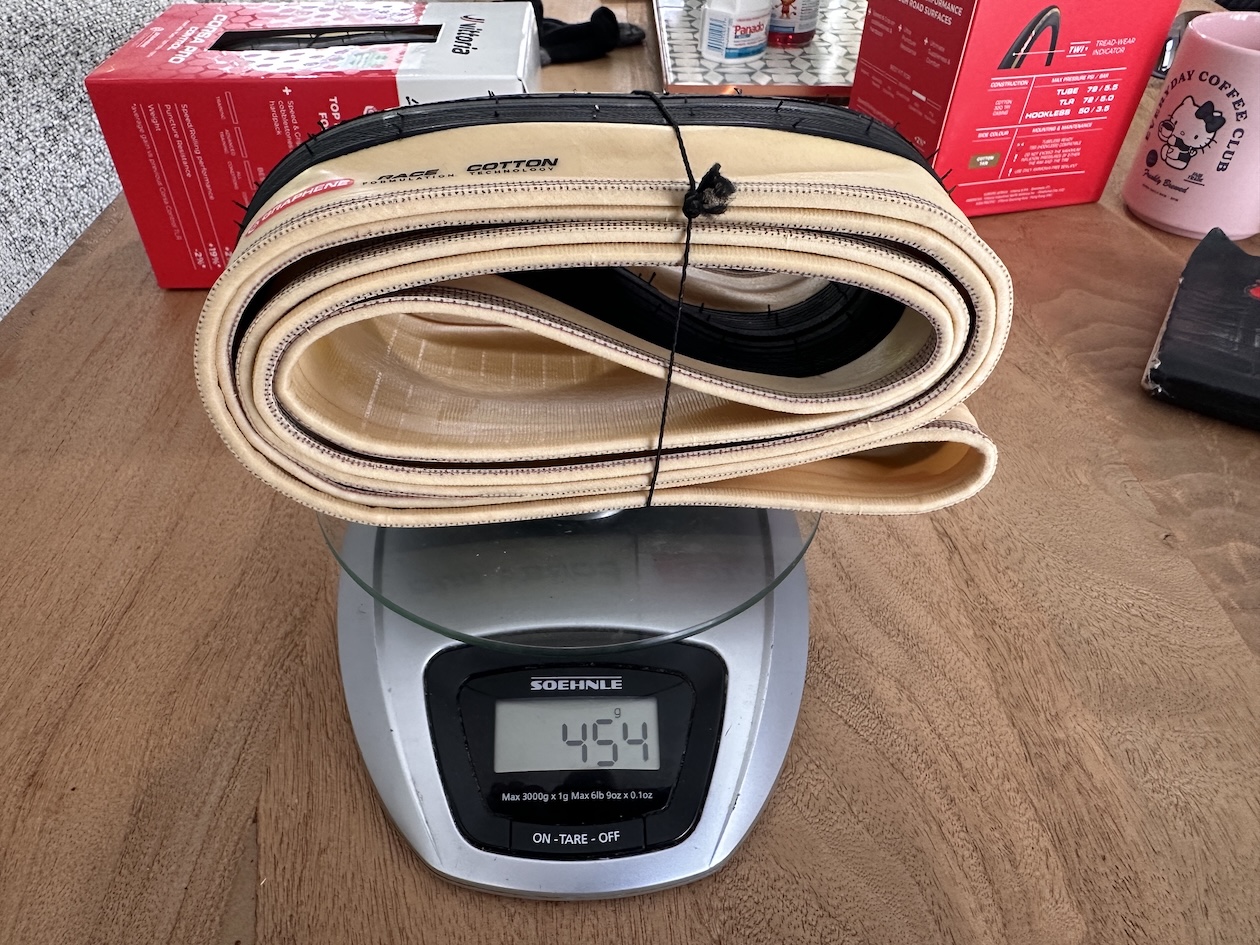
Over the past few months, I’ve been doing a lot of riding on the road with my gravel bike, experimenting with some crazy-wide slicks: the Vittoria Corsa Pro Control in 700 x 42c and 700 x 32c. They have a supple cotton casing with a fancy compound that gives them extra grip, durability and resilience on rough or wet roads. Most importantly, they’re designed to be used at lower pressures. At 70kg, I’ve been running around 30 psi in the front and 35 psi in the rear, which is worlds apart from the 120 psi of back in the day.
The result is a ride that is incredibly comfortable on rougher roads, meaning I’m able to do much longer rides before any back, neck or butt aches take over. The increased contact patch also gives the bike far better grip on wet roads, sketchy corners and the kind of ‘dirty roads’ we tend to deal with. Another massive bonus is emergency braking. In those situations, the bike stops very quickly. I’d estimate the stopping distance is about half that of a bike with 25 to 30mm tyres.
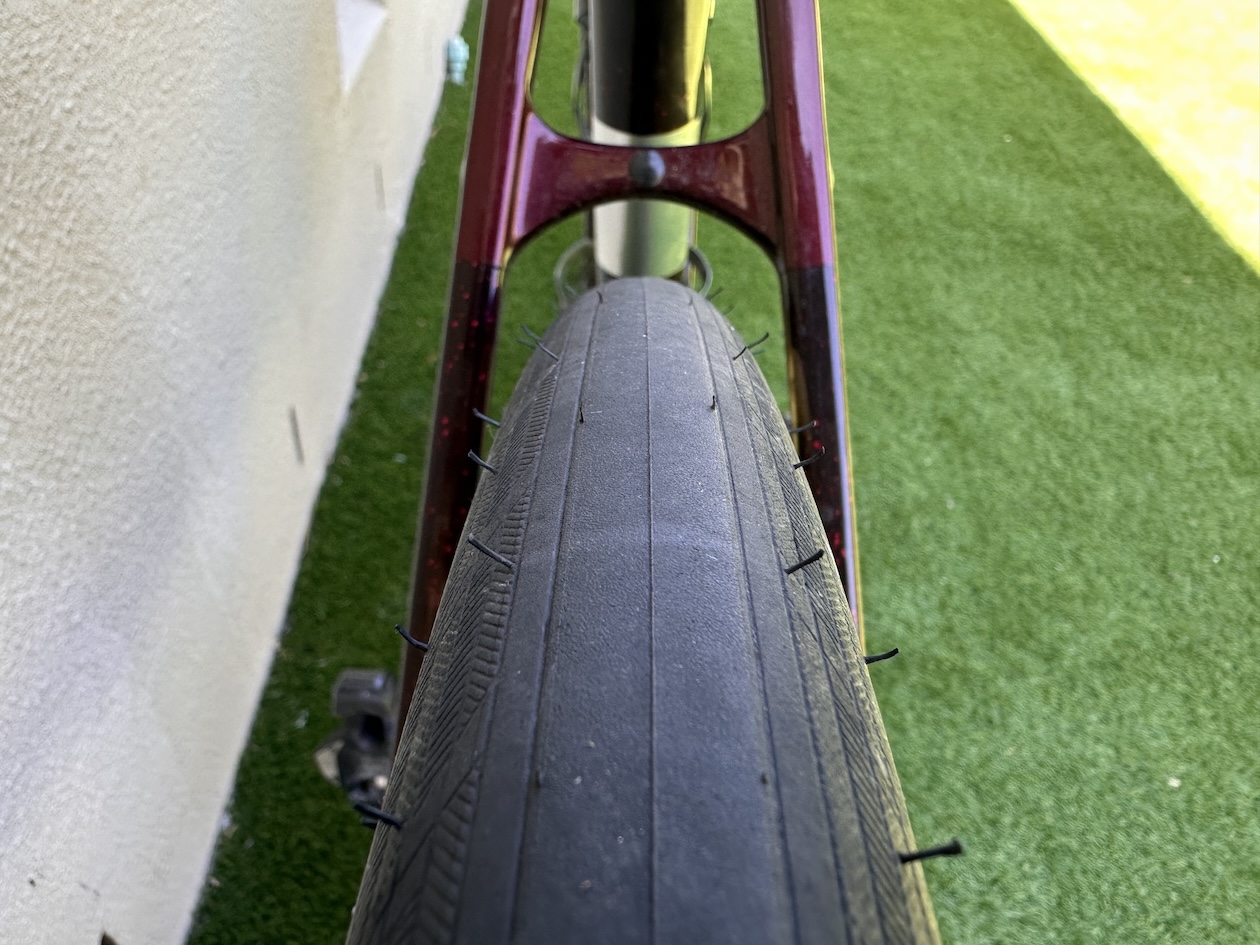
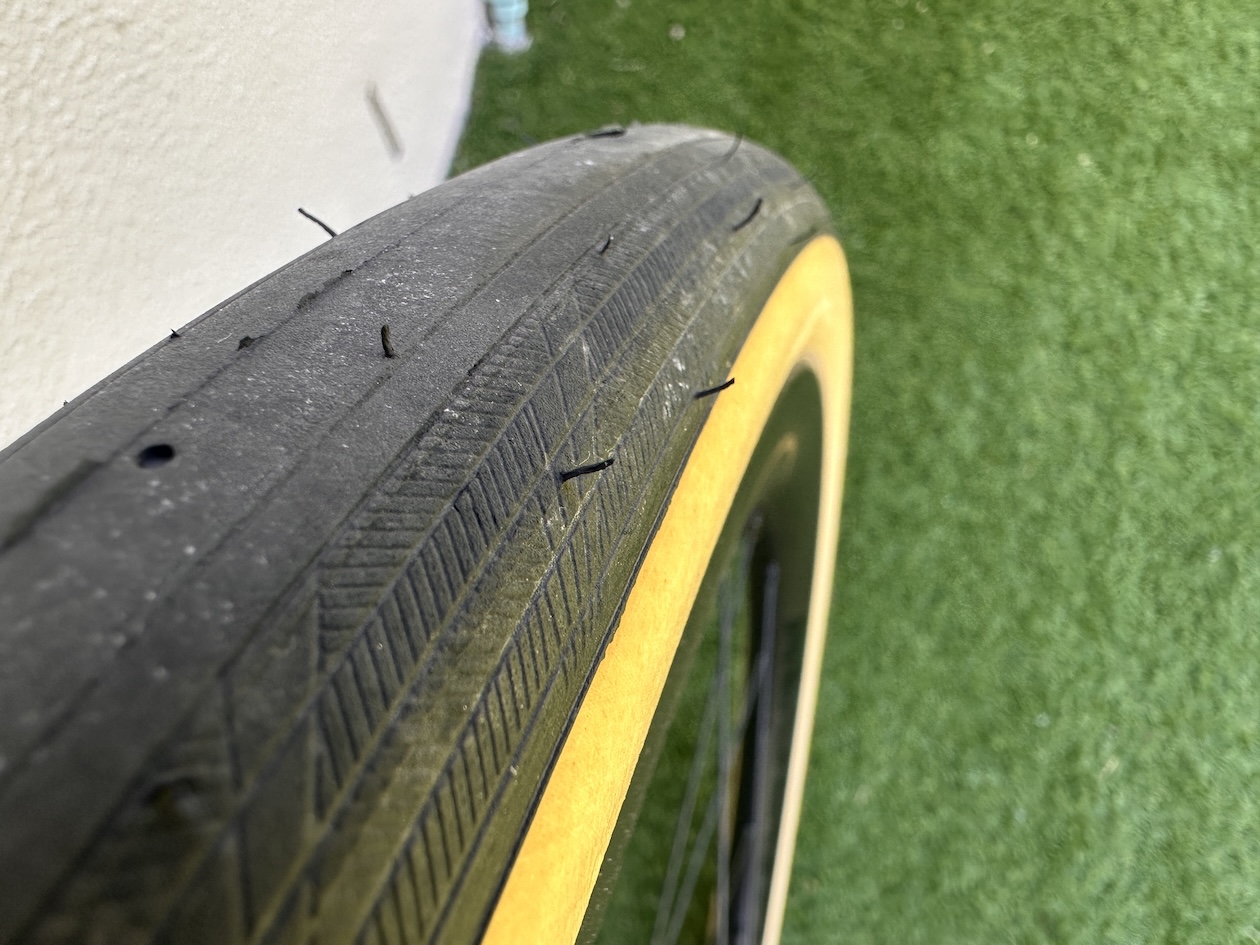
The crew at Vittoria were also kind enough to send me a pair of 32s, still from the same Corsa Pro Control family. While this is probably the size racing snakes might consider optimal, I actually didn’t use them for very long. Reason being, I far preferred the 42s and the reason is simple: I’m not racing anymore. I’m not riding much at speeds of 50kph or more, where aerodynamics are super important. I don’t mind the very slight wallow experienced with the bigger-volume tyre, and they just feel a whole lot safer for everyday riding and training. Nor am I bothered by the extra 68 grams per tyre – the weight penalty of the 42s over the 32s.
Based on everything I’ve experienced with these tyres, for me and I suspect for a large percentage of the riding public, the advantages of bigger-volume tyres are far greater than the disadvantages. Naturally, not everyone can immediately shift to 42s, as frame clearance is a limiting factor. But based on my experience, I’d say that when the time comes to upgrade, most riders should seriously consider going for a bigger-volume tyre. //
| Big thanks to vittoria and aeroagencies |