


The Flat Pedal Secret: Why Even XC Pros Use Them

Ever wonder why some of the fastest mountain bike racers spend time riding flat pedals, even though they race clipped in?
It’s because flat pedals expose weaknesses in your technique that clips can hide. When you’re clipped in, it’s easy to rely on the bike staying attached to your feet. But on flats, you have to actively maintain pressure through your pedals, stay balanced, and use proper body position to keep control. Here’s a slightly more detailed look at specifically what happens when you ride flat pedals.
Training occasionally on flat pedals improves several key skills
Firstly, it teaches better foot pressure and weight distribution – often referred to as footwork. You’ll quickly learn how to stay centered on the bike, generate grip and speed through rough terrain.
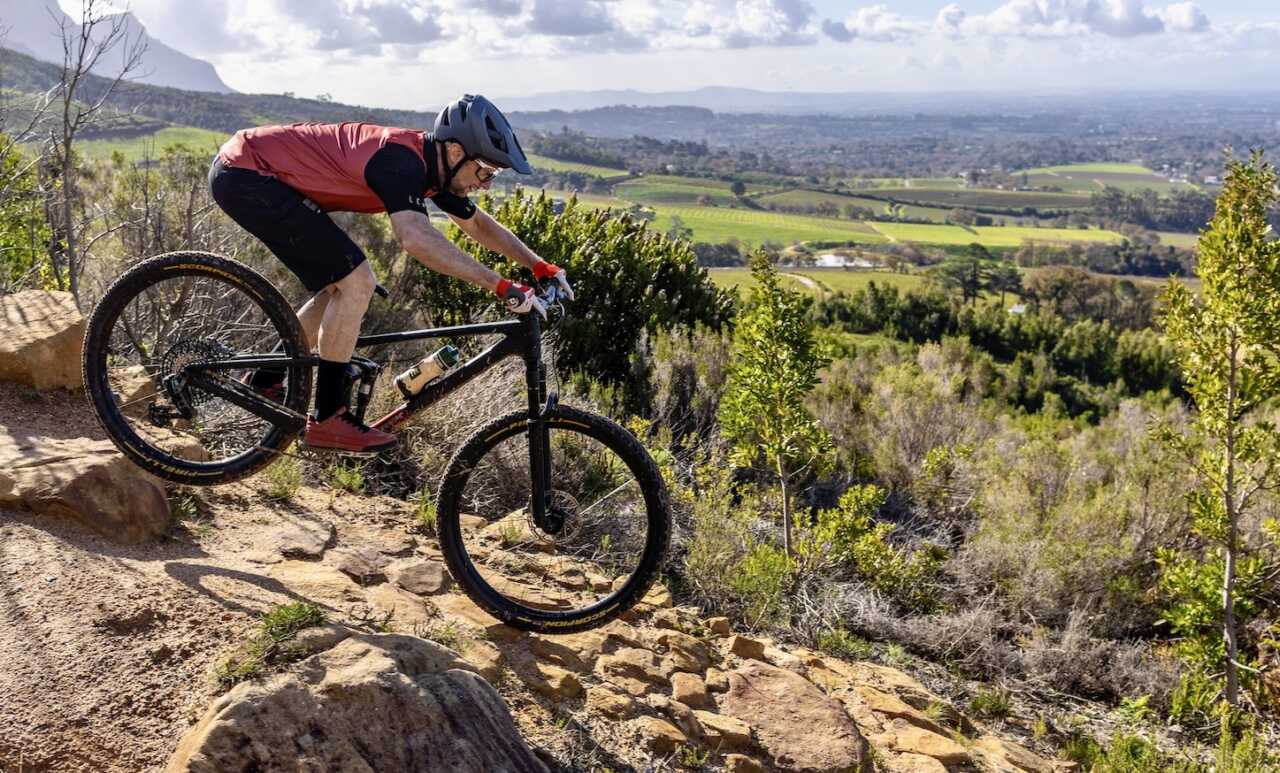
Second, flats improve your cornering. Without being clipped in, you can add speed to your corners, lean more and confidently explore the limits of traction without too much risk.
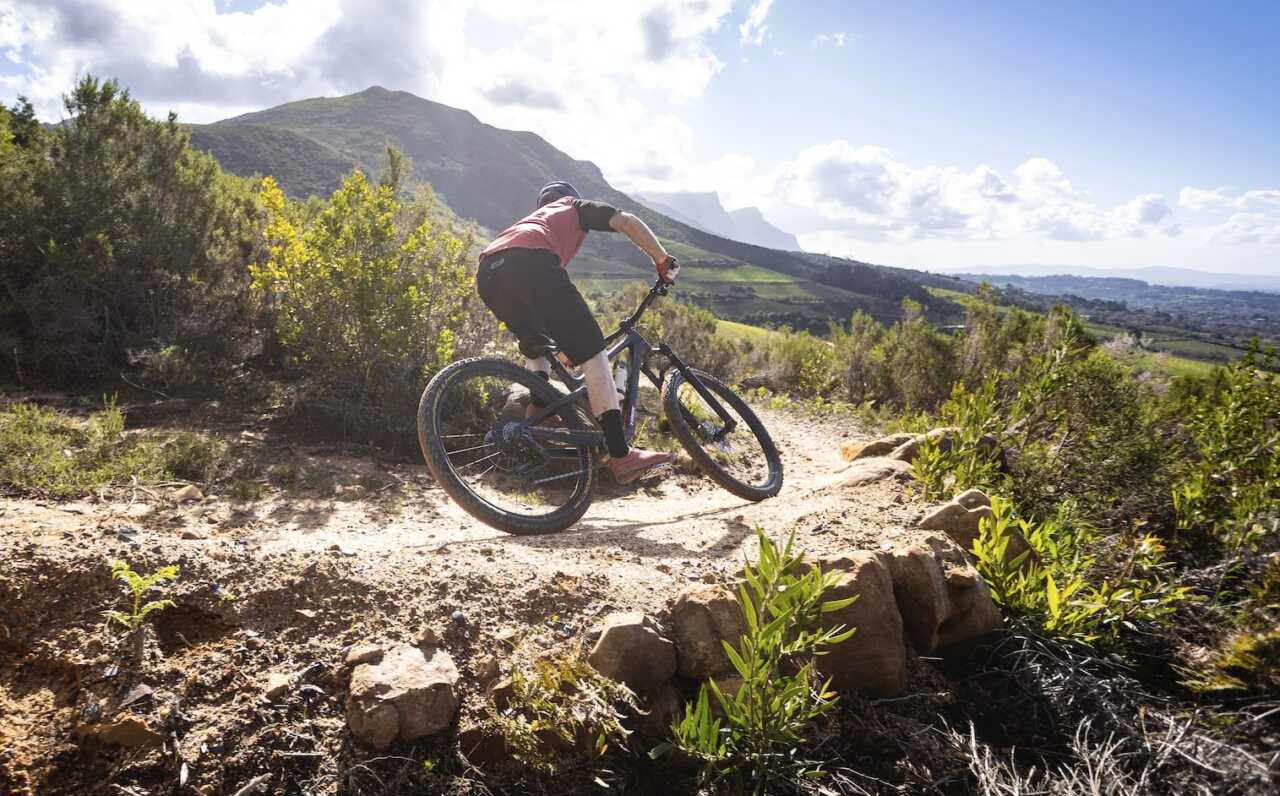
Thirdly, they help develop better jumping and pumping technique. With flats, to lift the rear wheel, you can’t simply pull up with your feet – you have to use your weight, good timing and refined body movements to create lift and control of the bike.

Finally, flat pedals improve confidence. If you can learn to ride technical trails, drops, and rough sections efficiently on flats, when you do return to clips, it often feels easier and more controlled.
Should racers abandon clips?
No. This doesn’t mean racers should abandon clip pedals. They’re still the fastest choice for 99% of mountain bike racing and 100% of XC racing. But adding a flat-pedal session once a week or every couple of weeks can sharpen technique, improve bike handling and make you a more complete rider. Essentially, sometimes the best way to ride faster is to remove the equipment that’s masking your mistakes.

For this test, Leatt kindly supplied us with both the Leatt 6.0 and Leatt 2.0 flat pedals. The Leatt 6.0 is a lightweight aluminum pedal featuring a durable steel axle and is available in two sizes to suit different riders. The Leatt 2.0, on the other hand, offers a more budget-friendly option, combining a large composite platform with 10 removable steel pins for excellent grip and stability on the trail.

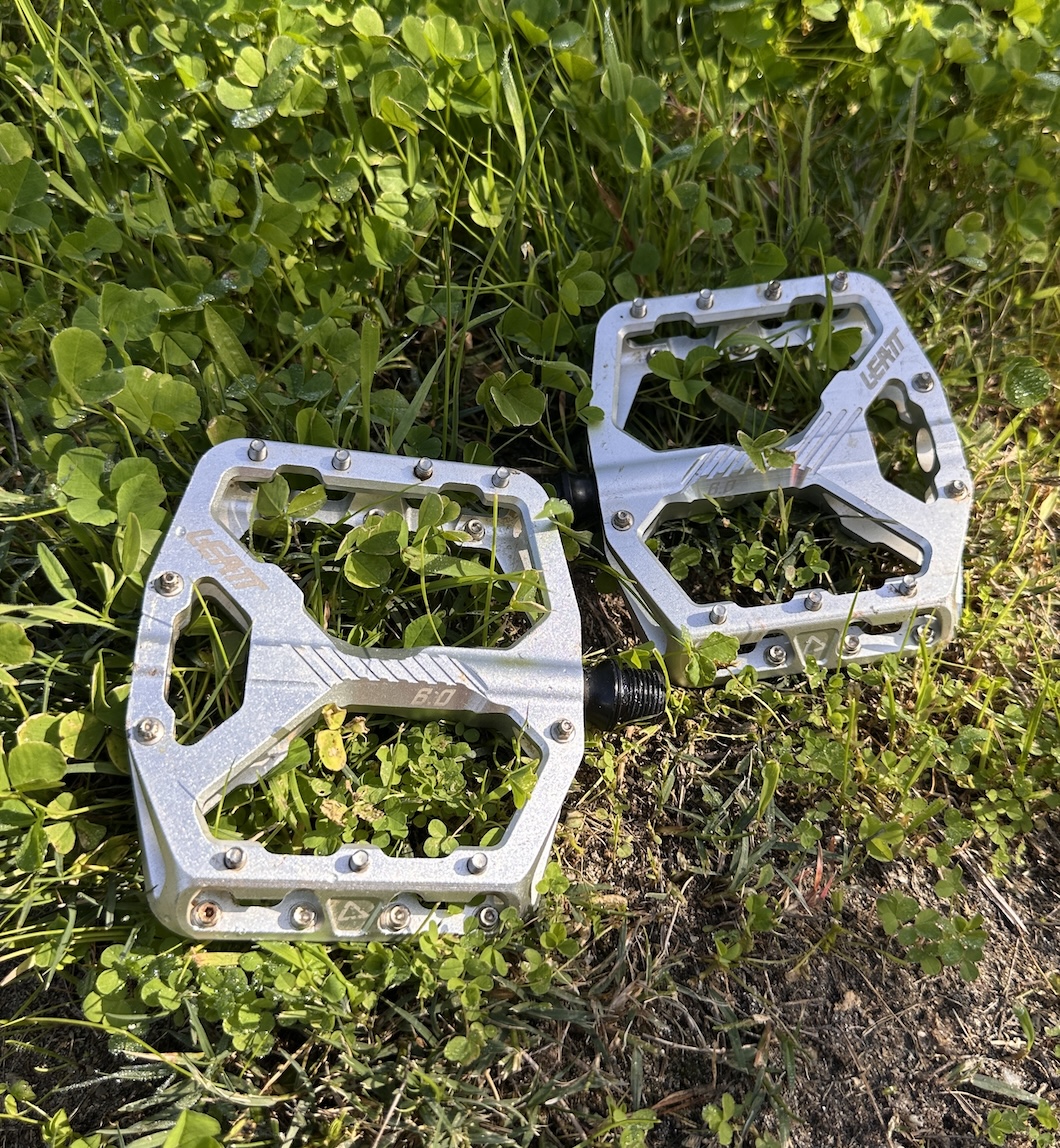
What I like about these pedals is they have good clearance to minimize rock strikes and they have no pins on the spindle part of the pedal which accentuates the concave feel – so your foot sits into the pedal – creating a more stable and cradled contact point. //
| VISUALS: Nick Muzik | LOCATION: TokaiMTB |