


First Ride: Favero Assioma PRO MX-2 | Pedal-based Power Meter

The Power Meter That Simply Gets On With the Job
Power meters have become one of the most sought-after upgrades. Building on the stellar reputation of the company’s road-going Assioma pedals, the PRO MX-2 brings accurate, dual-sided power measurement to an SPD-compatible platform that’s equally at home on gravel roads, marathon races and mildly-technical singletrack. The best part? It does so without making life complicated.
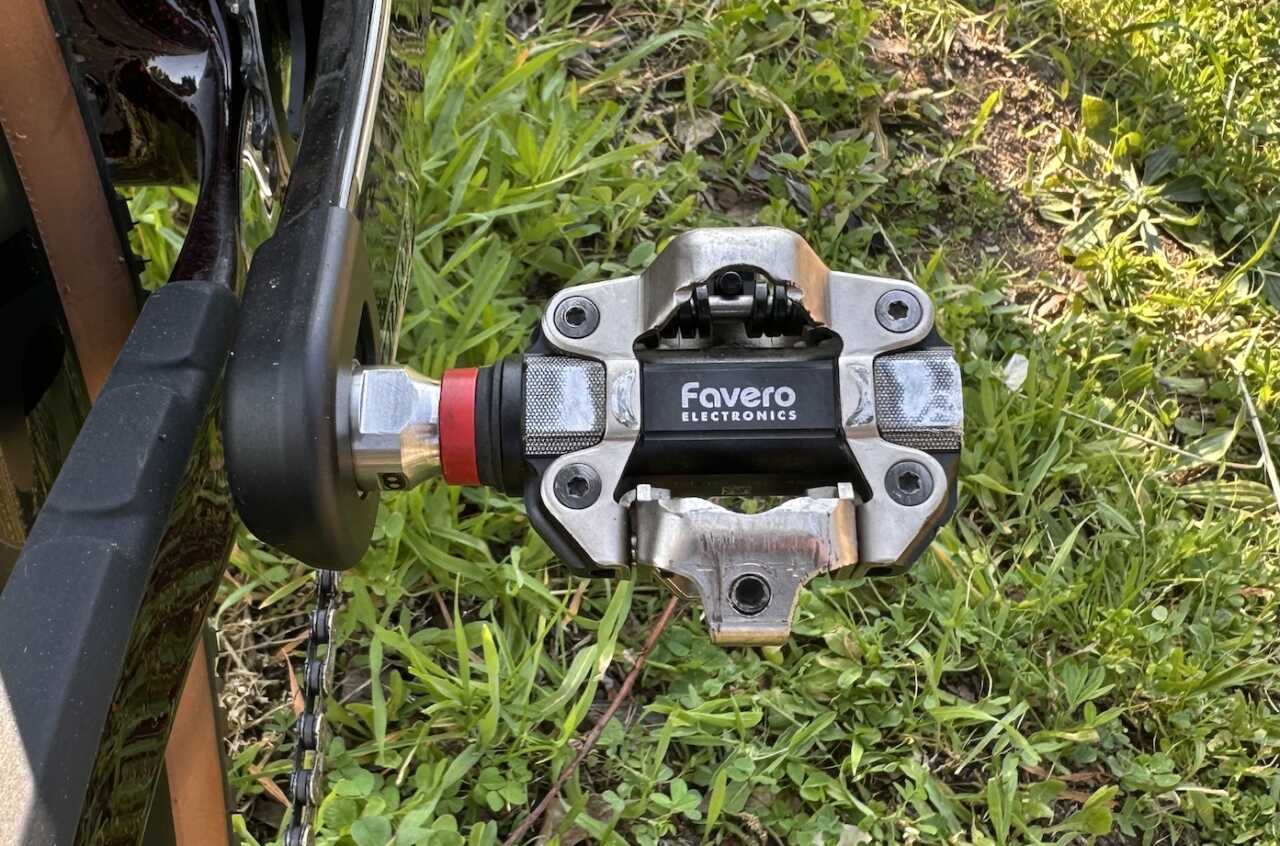
The Tech
Favero has earned a loyal following because its products are known for one thing above all else: reliability. We don’t want a power meter that constantly needs re-calibrating, loses connection or chews through batteries. We want something that works every time we head out the door, right!

Details
| What is it? Favero Assioma Pro MX-2 Pedals |
| Application: Gravel, Cross-country, Light-trail |
| Pedal Body: 6061 T6 Aluminum |
| Clipless System: Shimano SPD cleats |
| Communication: ANT+ or Bluetooth |
| Battery: Lithium Ion Rechargeable, 160 hours of riding per charge |
| Stack Height: 11.2mm |
| Weight per pedal: 191 grams (actual) |
| Warranty: Two years |
| Claimed Accuracy: 1% |
| RRP: R18 599 |
| MORE: bicyclepower.co.za |
Instead of squeezing electronics into oversized pedal bodies, Favero has hidden the technology inside the pedal spindle. The result is a pedal that looks and feels remarkably normal while delivering an impressive amount of data.

Power, cadence, left/right balance, torque effectiveness and pedal smoothness are all recorded with claimed accuracy of 1%, making the PRO MX suitable whether you’re chasing podiums or simply trying to train smarter. The Favero Assioma Pedals are compatible with all the popular head units and can also be synced to the brand’s app for additional data elements.

Because it’s pedal-based, installation couldn’t be easier. If you can fit a normal pair of pedals, you can install these. Better still, swapping them between bikes takes only a few minutes, making them a cost-effective option for riders with multiple bikes. Battery life is another highlight. Rather than relying on disposable coin-cell batteries, the PRO MX uses rechargeable batteries with a claimed 160 hours of ride time. For most riders, that translates into weeks of riding between charges.

Connectivity is equally straightforward, with both ANT+ and Bluetooth compatibility ensuring seamless communication with virtually every modern riding computer, smartwatch or indoor training platform. Perhaps the biggest compliment is that nothing about the pedals feels complicated. They look like normal SPD pedals, clip in like normal SPD pedals and ride like normal SPD pedals. A final technicality (and huge bonus) worth mentioning is the modular design – the pedals can be interchanged with a road pedal body – effectively converting them from an off-road to a road pedal.
First Ride Impressions
The first surprise came before the ride had even started. Having used plenty of cycling electronics over the years, I’d almost resigned myself to firmware updates, pairing frustrations and the inevitable hunt through endless settings menus. Instead, setup took just a few minutes.

After installing the pedals, pairing them to my Hammerhead unit was almost effortless. A quick zero-offset calibration and they were ready to ride. All in, installation, pairing and calibration took about four minutes. It was one of the easiest electronic setups I’ve experienced.
Rolling out for the first ride, there was no learning curve. The pedals felt completely natural underfoot, with familiar SPD engagement and predictable release. If nobody had told me they contained precision measuring equipment, I wouldn’t have known. The only difference was the steady stream of power data appearing on my Karoo.
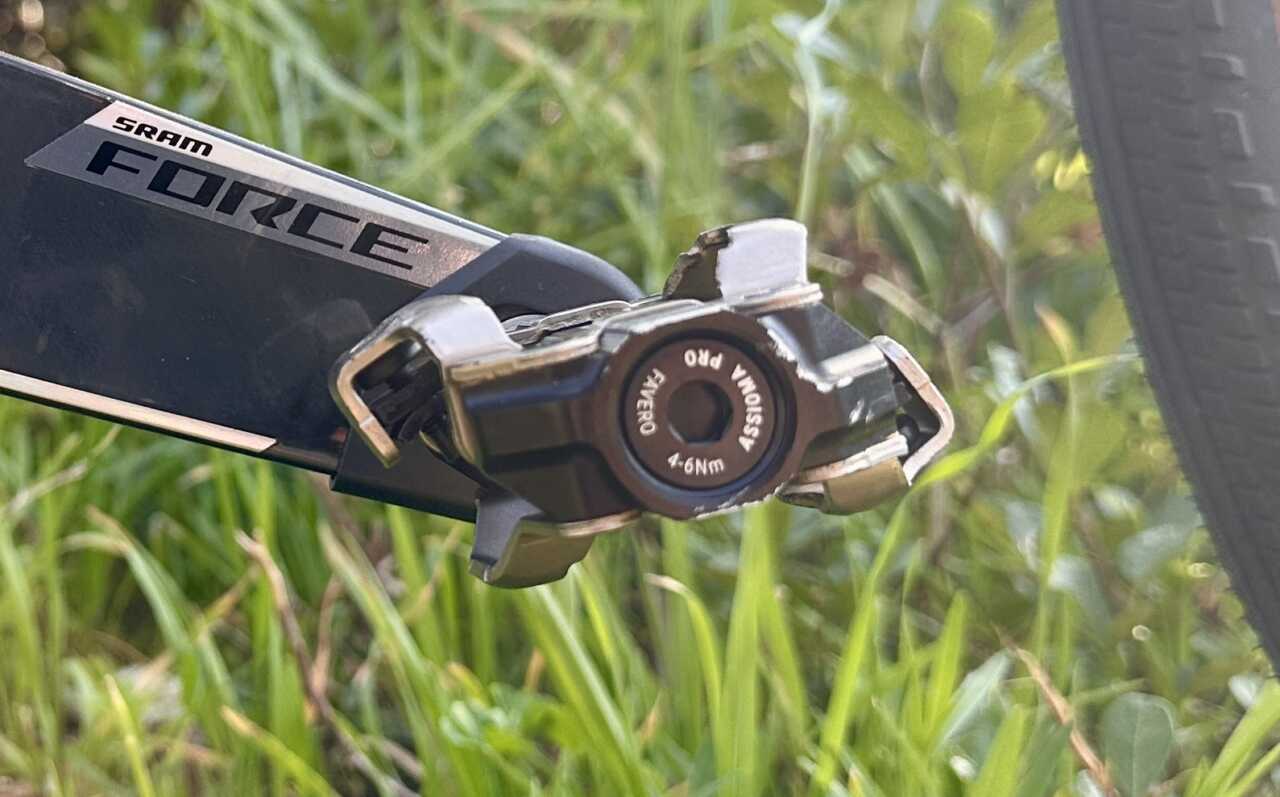
Using the three-second power field quickly proved to be the sweet spot. The numbers responded quickly enough to changes in effort without bouncing around so much that they became distracting. On climbs, power pacing immediately made sense. Instead of relying purely on feel, I could settle into a sustainable effort and avoid the temptation to push too hard too early. The pedals continued to perform faultlessly over rough gravel and broken surfaces, with no signal dropouts or strange readings. The PRO MX doesn’t feel like another gadget demanding attention. It just collects seemingly highly accurate information while allowing me to focus on the ride.
Bottom Line
It’s only been one ride and I will be using the pedals for a gravel bike comparison video so there will be more rides with them, but for now I can say the Favero Assioma PRO MX-2 pedals are one of those products that’s pretty difficult to fault because they simply do everything they are supposed to. For gravel riders, marathon racers and mountain bikers wanting to introduce power into their training, it’s difficult to think of a more practical solution. The ability to move the pedals between bikes is also a genuine advantage and the familiar SPD platform means there are no compromises in ride feel.

Yes, the initial investment is significant, but it’s one that pays dividends every time you ride. Better pacing, more structured training and meaningful ride data quickly become part of the experience. If you’ve been considering riding with power but were put off by complexity or compatibility concerns, the Assioma PRO MX-2 removes almost every barrier and I highly recommend them. It isn’t just a great power meter – it’s one of the easiest cycling upgrades you’ll ever live with. //