


Pro Tips: Fueling for Big Days Out

In this article one of the toughest endurance weapons on the planet, Amy Wakefield, shares her fueling tips for big days out.

Fueling is, in my opinion, the single most overlooked yet controllable aspect of a successful day out on the bike. You can be the fittest person on the planet, but all the hard work will be for nothing if you don’t fuel the engine! With so much information and advice flying around, it can be a very daunting subject. Here are my top tips that I’ve learned along the way.
Low fiber, high carbs
Every tummy reacts differently to fibre but choosing lower-fiber foods the day before your event should be best for most people. You can cut back on fiber as much as 3 days before a single-day race, but you must experiment with this as not everyone’s tummy will respond well. Fiber is particularly bad before and during a race (unless you’re riding in zone 2 or below), this is because it takes a lot more time and effort for your body to digest fiber. In addition, it is bulky, which is not what you need when racing. As I say, everyone is different, so if seed bread and date balls work for you then no harm, no foul.
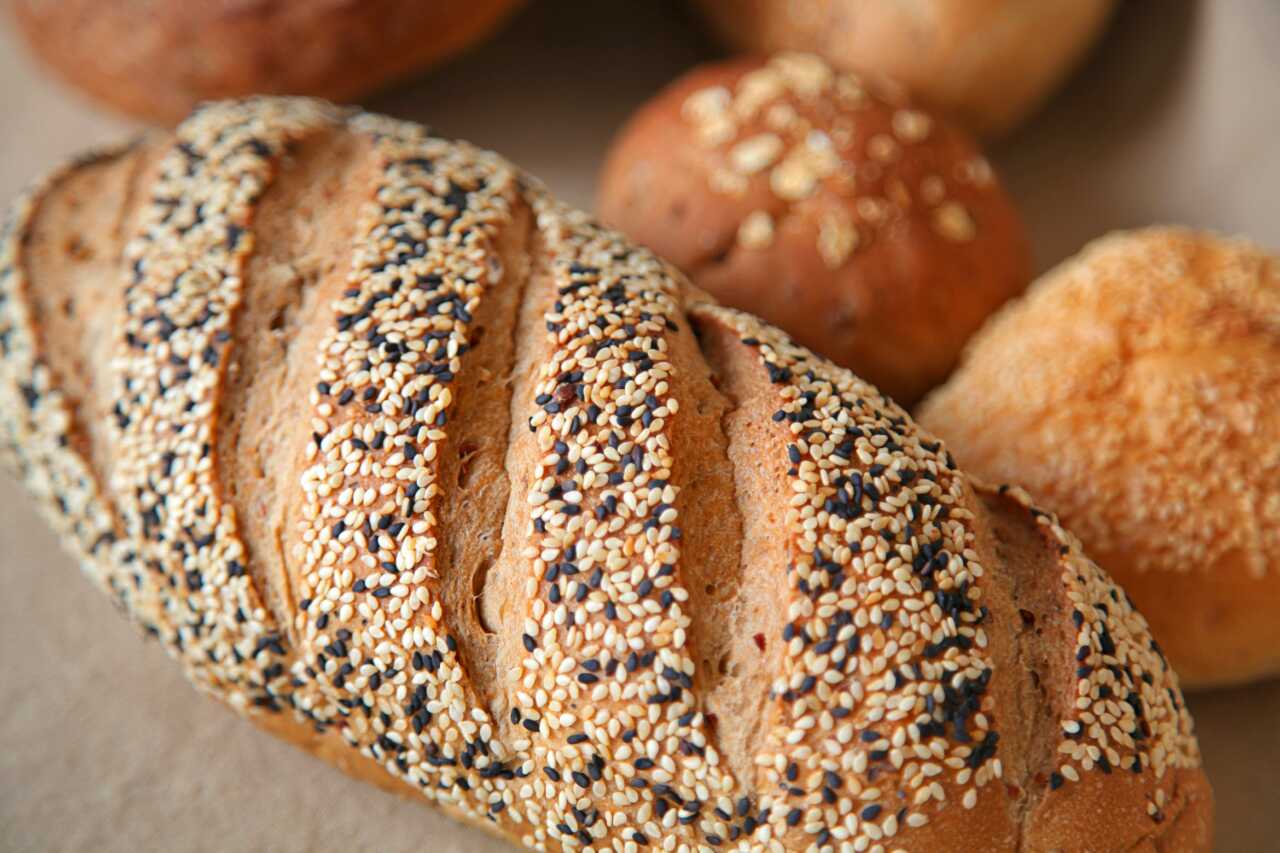
White rice is a great option for dinner and/or breakfast. Overnight oats and instant cereals are popular too. In fact, even cornflakes or white bread will suffice, as long as you have the correct amount and the fiber and fat is low and the carb content is high. During racing, I only use gels and cadence bars as they have little to no fiber and absorb easily.
Eat Breakfast at least 2 hours before your race
As soon as you eat a meal, your blood rushes to your gut to digest it. When you start riding, your blood rushes to your legs to ‘make’ them pedal. Eating too close to the event means neither your gut nor your legs will receive adequate energy, and will result in tummy cramps, regurgitation, and weakness. In a shorter race, say less than 90 mins such as XCO, the pros eat as long as 3 hours pre-race. Later start times allow for this as well. As an absolute minimum, you could do 1.5 hours but that would be risky and possibly not leave adequate time for gut emptying.
How much should you eat?
BEFORE | You will need a minimum of 100g grams of carbs at each meal on the day before and for breakfast in the morning. This looks like ± 120g dry cereal or oats (before cooked/soaked) and a tablespoon of honey. For long races, I add half a scoop of whey protein or have a boiled egg on the side. Add a little nut butter for some fat and flavor.

DURING | Aim for 60 to 100 grams of carbs per hour of racing. [Disclaimer: I am not a scientist so please excuse the very simplistic science and terms used.] Back in the day, it was thought impossible to exceed 60 grams of carbs per hour. That was before they discovered the body has multiple carb transport systems. It was found that 60 grams of carbs through the glucose transporter was the max per hour, but they discovered a new transport system, fructose, that could absorb an additional 40 to 60 grams. I chose products that boast a 2:1 ratio of glucose/maltodextrin and fructose. You can push the number up to 120 grams per hour but you’ll need to practice in training and I’ve read that the ratio will change to 1:1 Glucose to Fructose for your gut to handle that load.
Depending on the exact brand of nutrition, here’s what 100 grams per hour may look like: 1 bottle, 1 bar and 1 gel, 1/2 bottle, 1 bar and 2 gels or 1 bottle with 3 gels. That’s a lot of nutrition to keep in your pockets, I know, but it is possible.
Start fueling immediately
A big mistake people make is not fueling in the first hour, and it’s easy to do when you’re caught up in the hype of the start, and feeling strong. However, you will put yourself on the back foot and pay for it later. Eat a bar 15 minutes before the start and begin your eating and drinking within the first 20 minutes of racing.
Recovery
In a stage race, recovery is critical. Try get something in within 20 minutes of finishing. Have a recovery shake as you finish the race. Or take in one of the milk-based drinks at the finish. These will be ok to start the initial recovery phase but a measured-out recovery shake from a reputable brand is ideal. Keep the carbs going throughout the day. Some people still put far too much emphasis on protein because it “builds muscle”. Of course, protein is important, but replacing your glycogen stores with carbs is critical. Racing is not the time to be counting calories or trying to lose weight!


Hydration
A good rule of thumb is one bottle per hour. However, your hydration requirements will vary depending on the temperature. Skimping on hydration on a hot day to save weight or time is almost always a bad idea and will result in a slower time and compromised recovery. I love my USWE hydration pack which takes up to 2L and will last 2 – 4 hours of racing, although I have drained an entire backpack at Tankwa in 1,5 hours. Backpacks are a challenge to fill at stops, so you could start with an empty bottle or two in lieu of quick pit-stops at later water points. Filling a bottle needn’t take you longer than 30 to 60 seconds and will be well worth it.
Hydrating post-race / stage is paramount to recovery. Keep an eye on your urine; it should resemble the color of egg-white. Anything darker and you need to drink more. Remember, drinking will affect your grams of carbs per hour, so be aware of that. On hot days you can dilute your drink, and on colder days you may need an extra gel or 2. Those are my tips, of course, everybody’s body is different so please experiment and find out what works for you. Let us know if you’ve tried any of these or if you have any to add! See ya! //
| WORDS: Amy Wakefield | IMAGES: Cape Epic & Pexels |