


Want To Get Fitter? Here’s The Training Concept Most Riders Completely Misunderstand

Fitness comes from the process of overload followed by recovery
I trained and raced in the era when there wasn’t any coaching or coaching systems available. Back then, in the mid-80’s, insights were gained from the senior riders at the local club ride or from the few professionals we had at the time – provided you could hold their wheel long enough to listen. Times have changed and now there are a plethora of platforms and tools available to help riders progress. What hasn’t changed is the way our bodies work and that the basic principle of ‘systematic overload and recovery’ should form the basis of any training plan. If yours does not, then consider this article as a must-read.
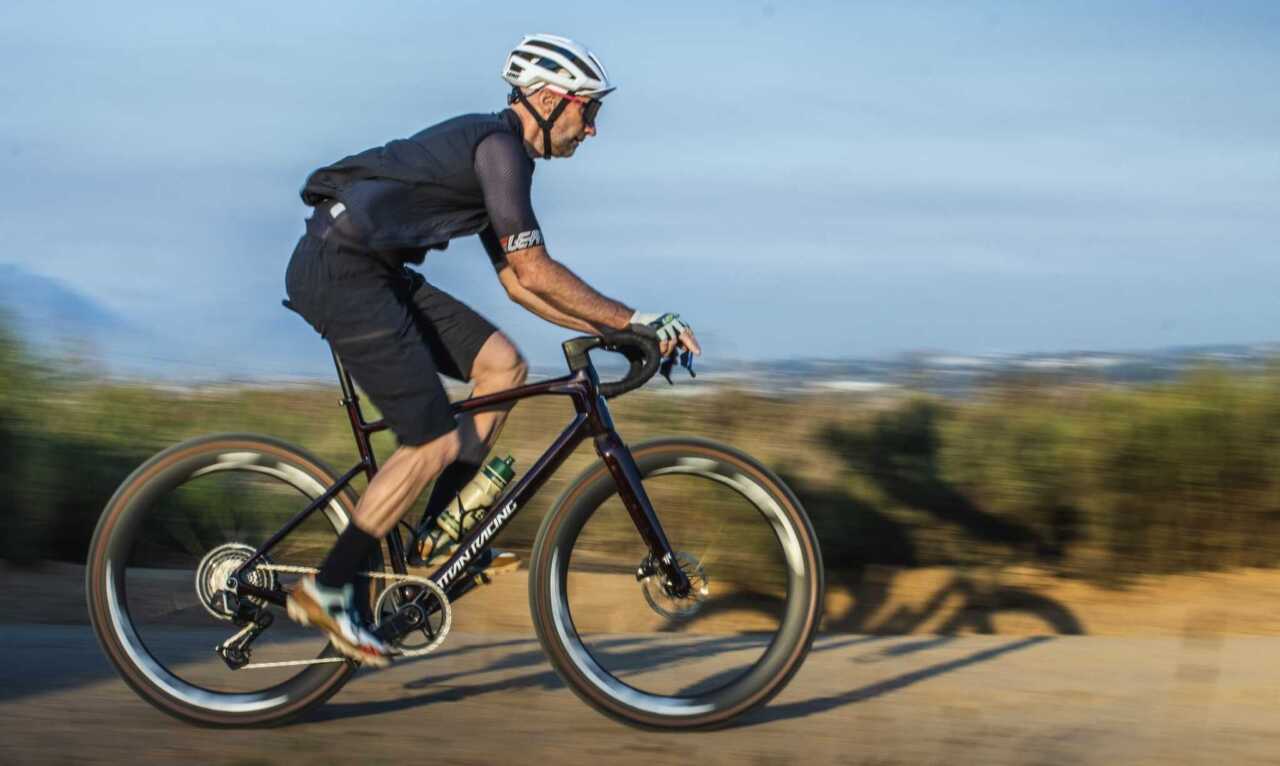
Let’s be honest: most riders are pretty good at one thing – absolutely cooking themselves. Every week you’ll see riders smashing group rides, adding “just one more interval” and refusing rest days. It’s almost as though somewhere along the line, fatigue became the goal instead of the tool.
So here’s the thing: getting tired and getting fitter are not the same thing. In fact, one of the biggest mindset shifts any rider can make is understanding that fitness doesn’t actually come from training alone. It comes from a cycle of stress and recovery working together. That’s the magic. That’s the whole game. Once you understand that, suddenly a lot of training mistakes start making sense.
Training is basically Controlled Damage
A hard ride is not your body becoming stronger in real time. Quite the opposite. Intervals, long rides, climbing blocks and hard races all do the same basic thing: they disturb the system. You burn glycogen, fatigue muscles, stress the cardiovascular system and generally give your body a bit of a hiding.
Your body then responds by rebuilding itself to be slightly more capable than before. More aerobic capacity. Better fatigue resistance. Improved muscular endurance. Stronger heart and lungs. Better efficiency. That adaptation process only happens if recovery is allowed to happen properly.
Now this is where loads of riders get it wrong. They think the hard session itself is where the gains are made, so they just keep stacking intensity on top of fatigue until eventually everything starts feeling mediocre. Legs flat. Heart rate weird. Motivation low. Group ride pace suddenly feels offensive. Less joy from riding. Then the double-down happens when more training is loaded onto an already exhausted system. This is the equivalent of trying to put out a fire with petrol.
The Body Doesn’t Care about your Ego
The basic concept behind endurance training is systematic overload followed by recovery. You apply stress. You recover from stress. The body adapts. Then you repeat the process. Simple in theory. Surprisingly hard in practice. Because riders love accumulating fatigue. It feels productive. Big weeks feel impressive. Back-to-back smashfests feel like commitment. Easy days often feel weirdly uncomfortable, especially for motivated riders.

The reality is this: the body only adapts when it gets enough recovery to absorb the work. With too little training load, nothing changes. With too much load and insufficient recovery – you just become a very tired version of yourself.
The sweet spot sits somewhere in the middle and that’s why good training plans look surprisingly controlled. Especially among pros. The hard days are properly hard. The easy days are genuinely easy. Recovery weeks are treated like part of the program, not accidental laziness.
Most Riders Make the Mistake of Living in The Grey Zone
One of the biggest performance killers is riding everything at medium-hard intensity. Not easy enough to recover. Not hard enough to create meaningful overload. Just permanently sort of cooked.
You see this all the time with amateur riders. Every ride becomes a sneaky threshold session. Coffee rides turn into ego contests. Recovery spins mysteriously average 250 watts. Then riders wonder why they plateau despite training “all the time”.
Meanwhile, the riders who improve consistently are often the boring ones. Structured workload. Controlled intensity. Rest days taken seriously. Sleep prioritized. Fueling sorted. Not sexy. Very effective.
Never Forget: Recovery is where The Upgrade happens
This is probably the most important point of the whole thing: Recovery is not the absence of training. Recovery is training. That’s where the body actually upgrades itself. Sleep matters massively. Nutrition matters massively. Easy rides matter. Even life stress matters. Your body doesn’t separate work stress from training stress particularly well. It all lands in the same system.

Which is why sometimes a rider can suddenly feel terrible despite “only” doing their normal training load. The issue isn’t necessarily the bike volume. It’s the total stress bucket overflowing and once that happens, performances can go sideways, quickly.
The Goal is not to Win Tuesday
The riders who make the biggest long-term gains are usually not the riders who can suffer the most in a random training week. They’re the riders who can repeat productive training cycles for months without breaking themselves. That’s the real trick.
Fitness is less about heroic individual sessions and more about stringing together week after week of manageable overload and quality recovery. Think of it like compound interest for the legs. A properly recovered rider can actually hit quality numbers when it matters. They can push hard enough to create real overload. Permanently fatigued riders often just accumulate junk kilometers and frustration.
So what should training Actually Feel Like?
Generally speaking, good training should feel rhythmic. Some days you should feel strong. Some days tired. Some days fresh again. That wave is normal.
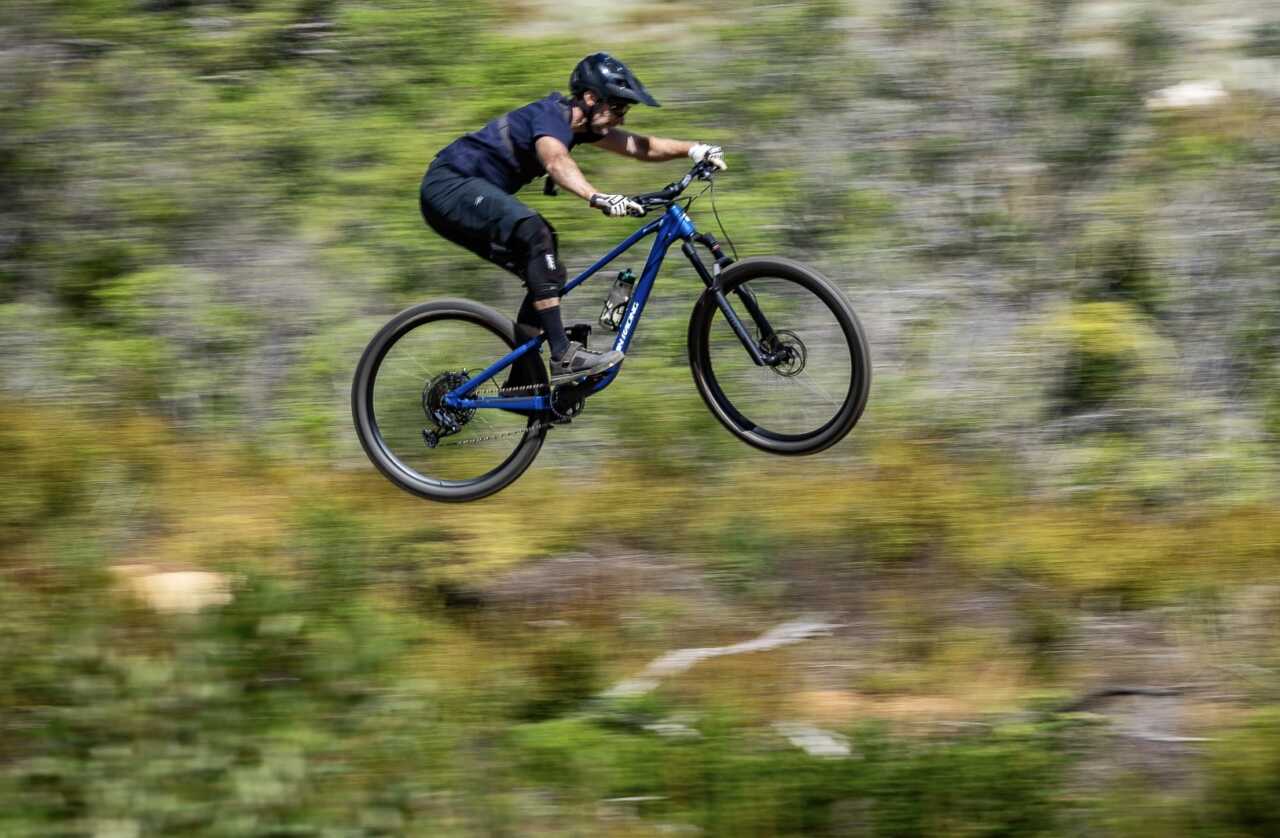
What’s not normal is feeling absolutely smashed all the time and convincing yourself it’s elite dedication. If every ride feels terrible, motivation is tanking, sleep quality is declining and power numbers are flatlining, there’s a decent chance the issue isn’t a lack of suffering. It’s a lack of recovery. And honestly, for a lot of riders, better fitness is probably sitting one proper rest day away rather than one more interval session away.
Bottom Line
If you strip away all the training apps, power meters, fancy workouts and marginal gains chat, endurance improvement is still built on one very simple principle: Stress the system. Recover from the stress. Repeat. Systematic overload and recovery. That’s it. Everything else is just detail.
The riders who improve fastest are usually the ones who stop glorifying exhaustion and start respecting recovery as part of the process. Because the goal isn’t to see how wrecked you can become by Sunday afternoon. The goal is to become stronger next month than you are today. Weirdly enough, sometimes the smartest thing you can do for your fitness… is put the bike away for a day and consider finding yourself a structured training plan (or coach). //
| WORDS: Myles Kelsey | IMAGES: Max Sullivan, Nick Muzik, Chris Taylor |