


First Ride: Trek Rail 9.9 XX1 AXS – The crème de la crème of eMTB?

Want a big battery, modern geometry eMTB with mullet or 29er compatibility?
We did too, of course, so here it is, the Gen 3 Trek Rail.
Trek’s eBike lineup includes a mix of XC and Trail bikes, in mid-power and full-power models. Their Rail is a full-power, Bosch-assisted trail eBike that is known for its versatility and is likely one of the best-selling eBikes in the country. The price tag on this top-of-the-range boykie, the 9.9 AXS model, is a little north of R200k and as you’d expect, there’s a ton of tech in this rig. We asked Trek to send us this, their crème de la crème eMTB, so we can experience it, maybe race it and report on it. On my mind: is all the techy bling a complete necessity? Or just a nice to have.

The Build

| FRAME | 150mm rear, OCLV Carbon, Split Pivot & Rocker Link Suspension Layup |
| BATTERY | Bosch 750Wh |
| CONTROLLER | Bosch Kiox Smart System |
| MOTOR | Bosch Performance Line CX, 85Nm |
| FORK | 160mm RockShox Zeb Ultimate |
| SHOCK | RockShox Super Deluxe Thru Shaft, AirWiz |
| BARS | Bontrager Line Pro Carbon, 27.5mm Rise, 780mm Wide |
| STEM | 45mm Bontrager Line Pro |
| SADDLE | Bontrager Arvada, 138mm |
| SEATPOST | RockShox AXS Reverb |
| WHEELS | Bontrager Line Pro 30, Tubeless, Carbon |
| TYRES | Bontrager SE6 and SE5 |
| CASSETTE | SRAM Eagle XG-1299, 10-52T |
| MECH | SRAM XX1 Eagle AXS |
| SHIFTER | SRAM XX1 Eagle AXS |
| CRANKS | e13, Carbon, 165mm |
| BRAKES | SRAM Code RSC, 220mm front & 200mm rear |
| WEIGHT | 22.6kg (As tested) |
What’s new?
The carbon models of the new Gen 3 and Gen 4 Rails now have a massive 750Wh battery, which is 20% bigger than the predecessor I tested here. In the lowest assist level, known as Eco, the claimed range on a single charge is now a whopping 129km. That’s a big adventure, stage race, bike park lap session or Sunday roll into the country.

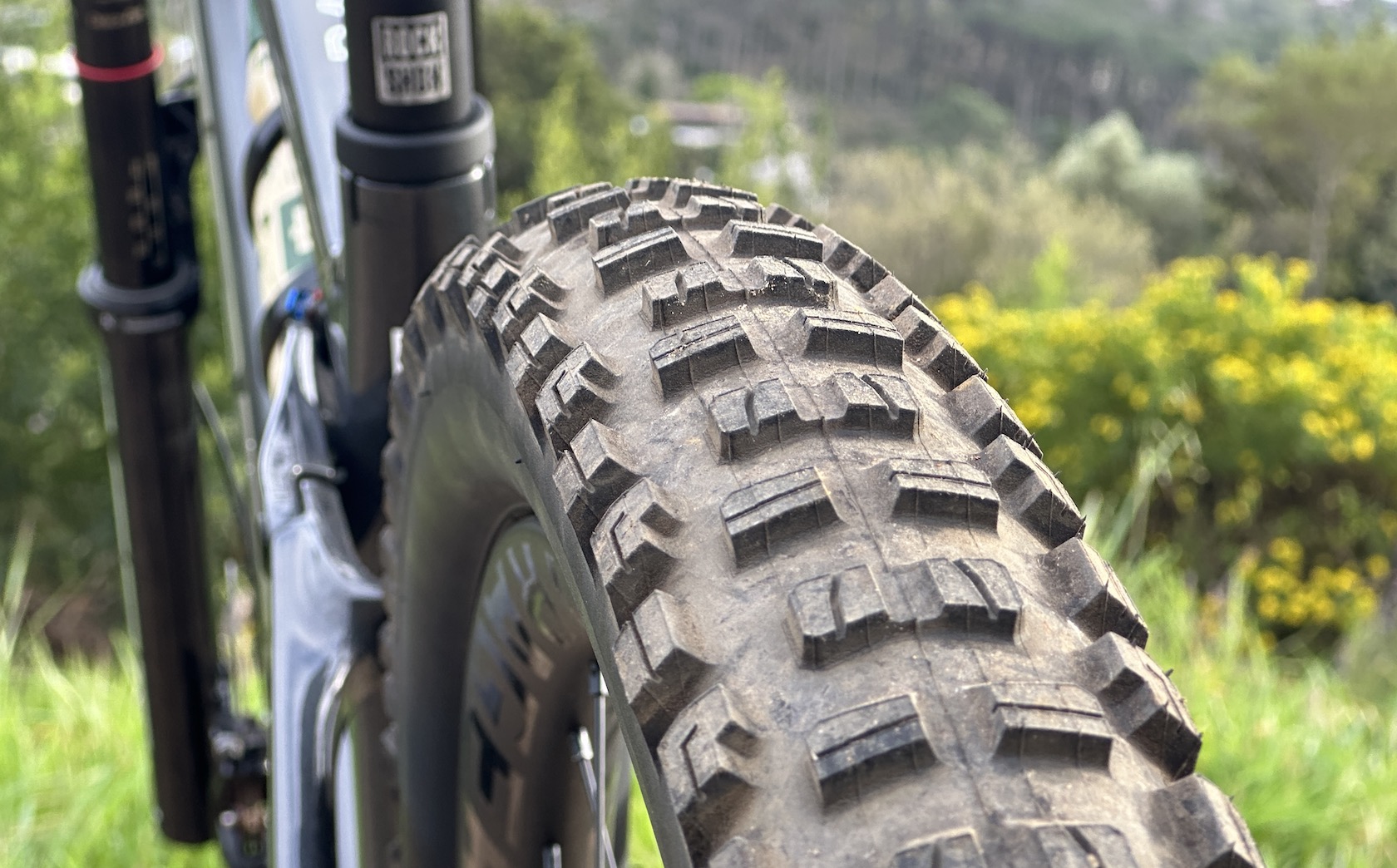
In terms of wheel size, the Rail is now more versatile and can be run in a mixed wheel size, or full 29er options. The mixed wheel size of a 29″ front and 27.5″ rear, is increasing in popularity since it increases overall maneuverability and handling of the bike.
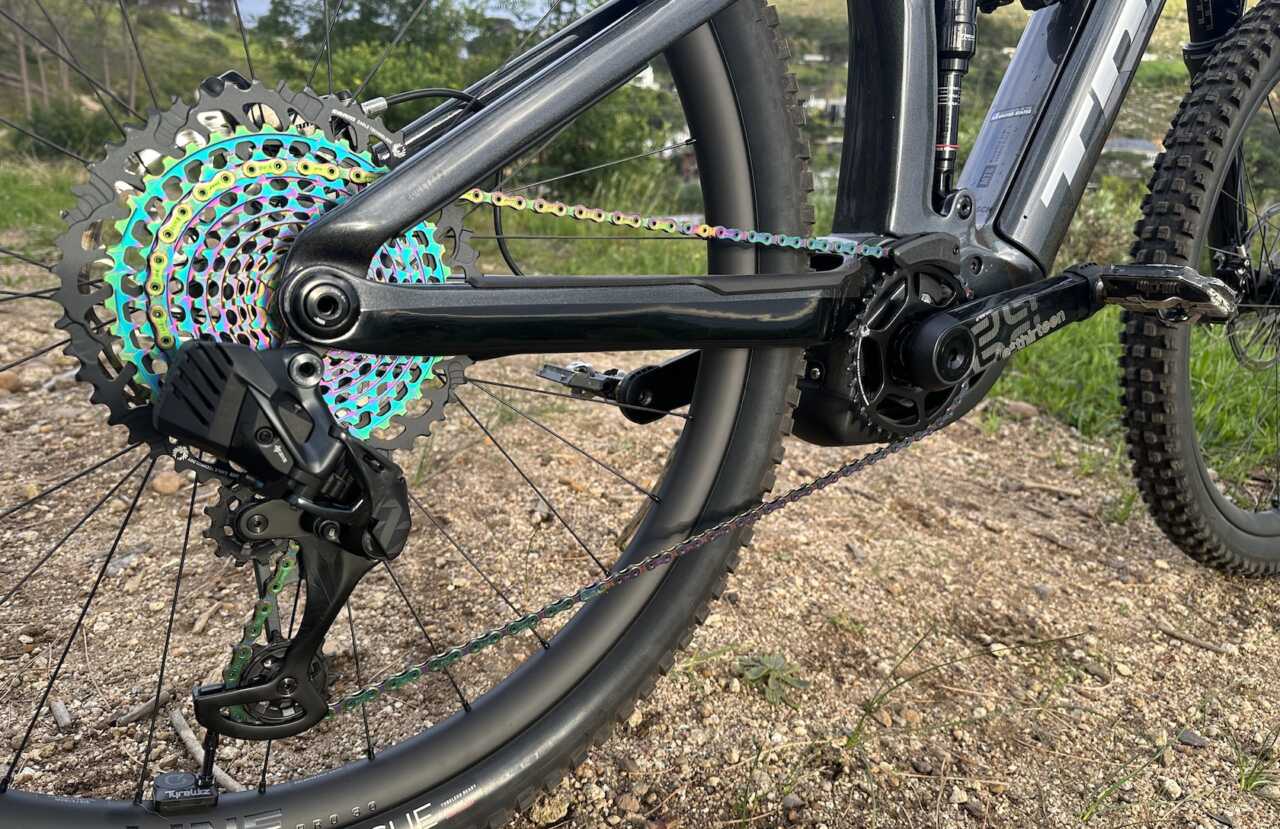
In full 29er mode, with the flip chip (Trek calls it a Mino Link) in the high position the BB and head angle is 346mm and 64.6°, respectively. In the lower setting, the flip chip drops the BB to 340mm and slackens the head angle to 64.2°. Switching to a 27.5″ rear wheel and with the flip chip in the mandatory high setting, the BB drops to 336mm and the head angle drops to a more sendy, 63.9°.


Impacting bike fit, all the frame sizes are now a little longer [this is in reference to the ‘reach’ on the geometry chart] to the tune of around 20mm. With four sizes in the lineup, the reach numbers to choose from are 432mm for a size small, 452mm for a size medium, 487 for a size large, and a huge 517mm for an extra-large. If you are buying, you might need to downsize. In my case, the size medium Gen One I rode in 2020 was a little cramped, but the new size medium is just perfect.

Taking inspiration from the Slash (tested here) Trek has installed the same RockShox Super Deluxe shock to their Rail. In my opinion, it’s a smart move as the Thru Shaft damper technology and fancy DebonAir spring are as buttery as suspension could ever be.
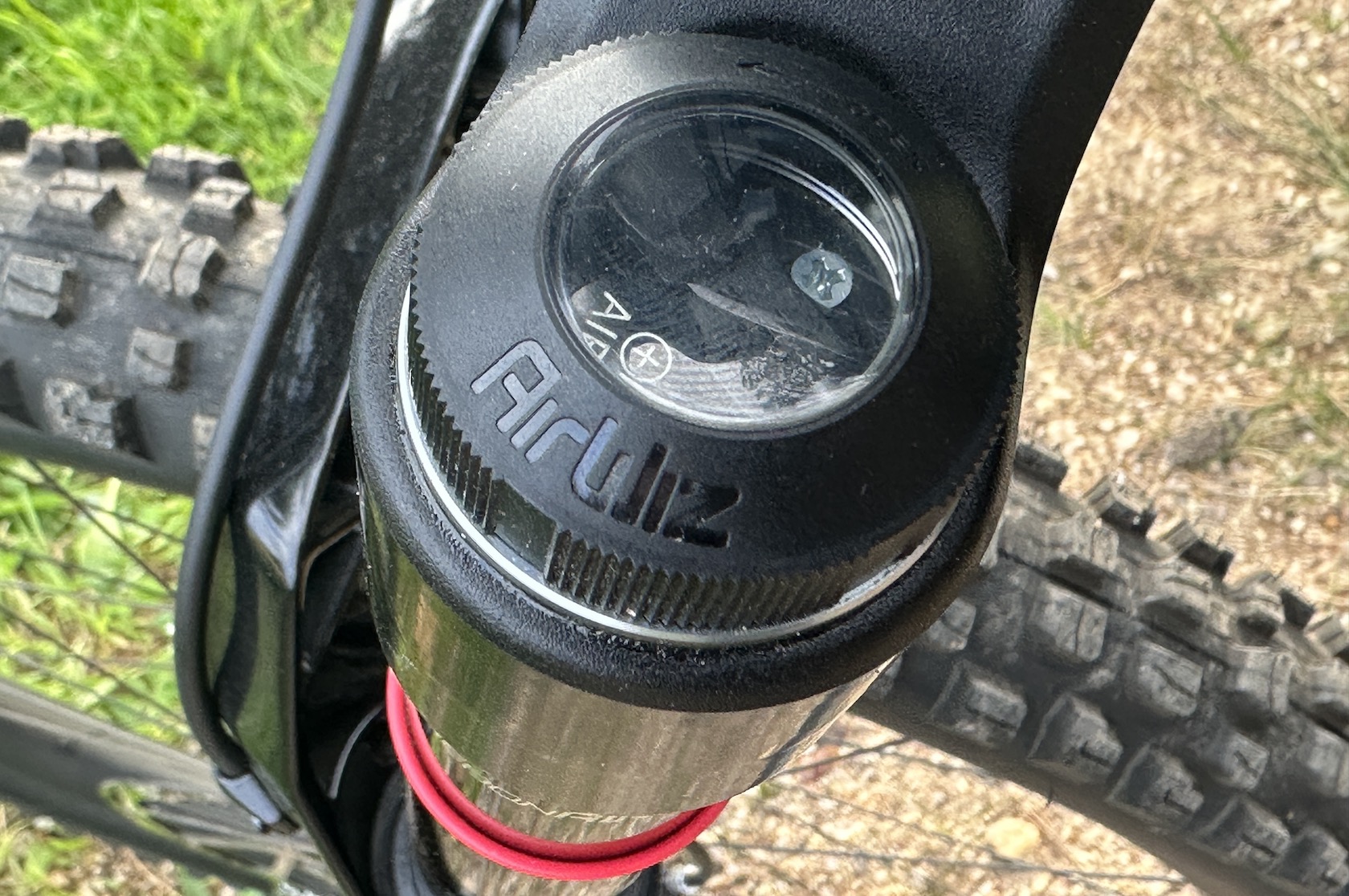

Now here’s where the Rail 9.9 gets extra blingy. Like the warning systems on most modern cars, TyreWiz and AirWiz are electronic monitoring systems that warn, with a flashing LED on each component, if the bike has lost tyre or suspension air pressure. The idea is to reduce pre-ride admin. With this system, the days of manually checking the pressures before every ride with pumps and pressure gauges are seemingly done. Now, glancing at the component (or opening the SRAM AXS App) will reveal if the pressures are outside of what you have set to be acceptable variances.

The Bosch Performance Line CX system has a punchy 85Nm of torque available with four preset modes of Eco, Tour+, eMTB and Turbo. Now, as I understand it, Bosch global has not yet opened up the Bosch app for local use meaning customizing the support levels is not currently possible. I will add that with four support modes and factory settings that are pretty spot on, I didn’t feel the need to throw my toys since all the vital ride analytics of speed, distance, projected range, time, distance etc are already displayed, on screen, without access to the app.
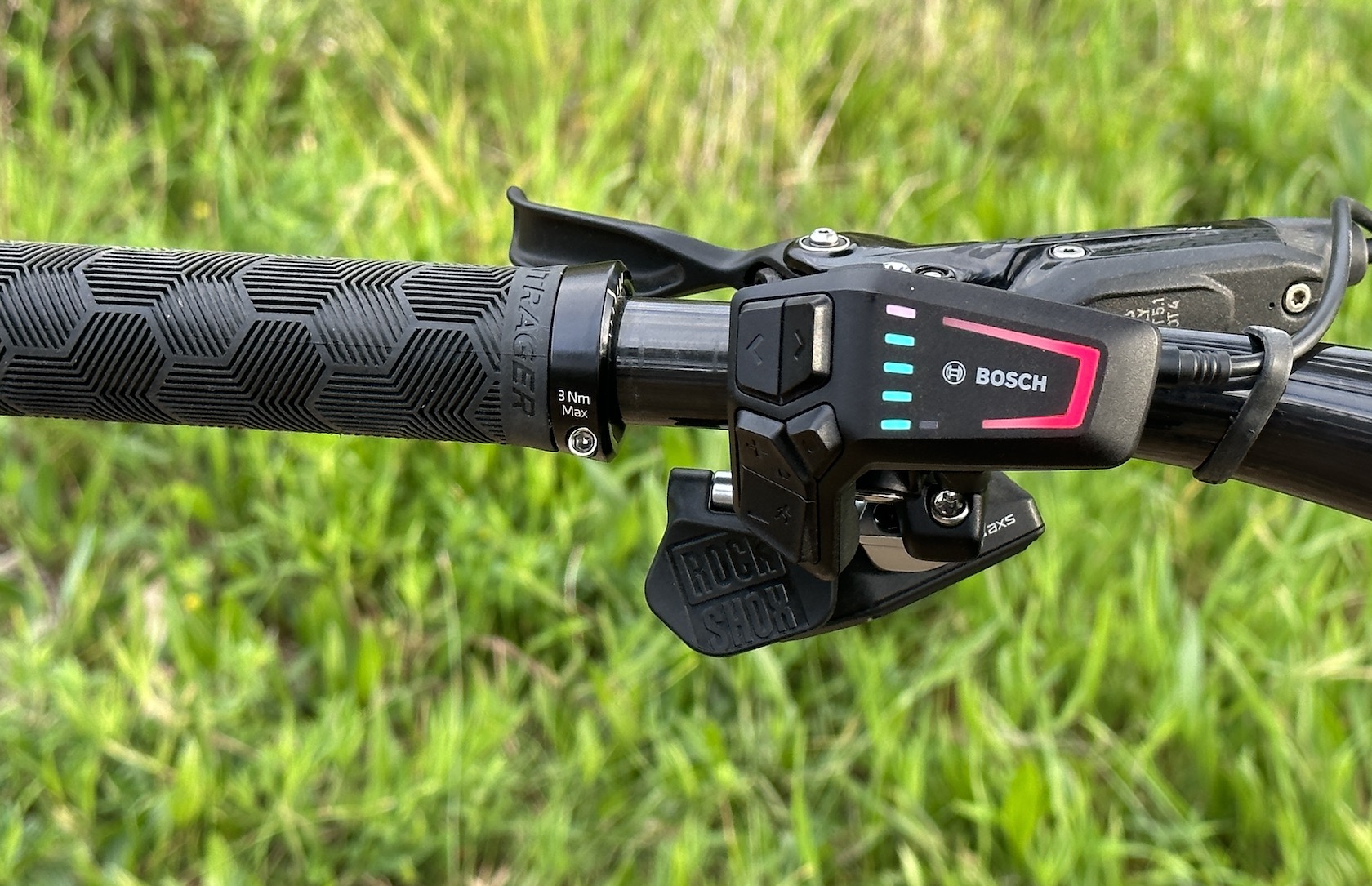

The assist, as with most eMTB’s in SA, is up to a speed of 32kph. Recharging the battery from empty is said to take six hours and it is removable, which might come in handy when charging, transporting or storing the bike.
Ride Impressions
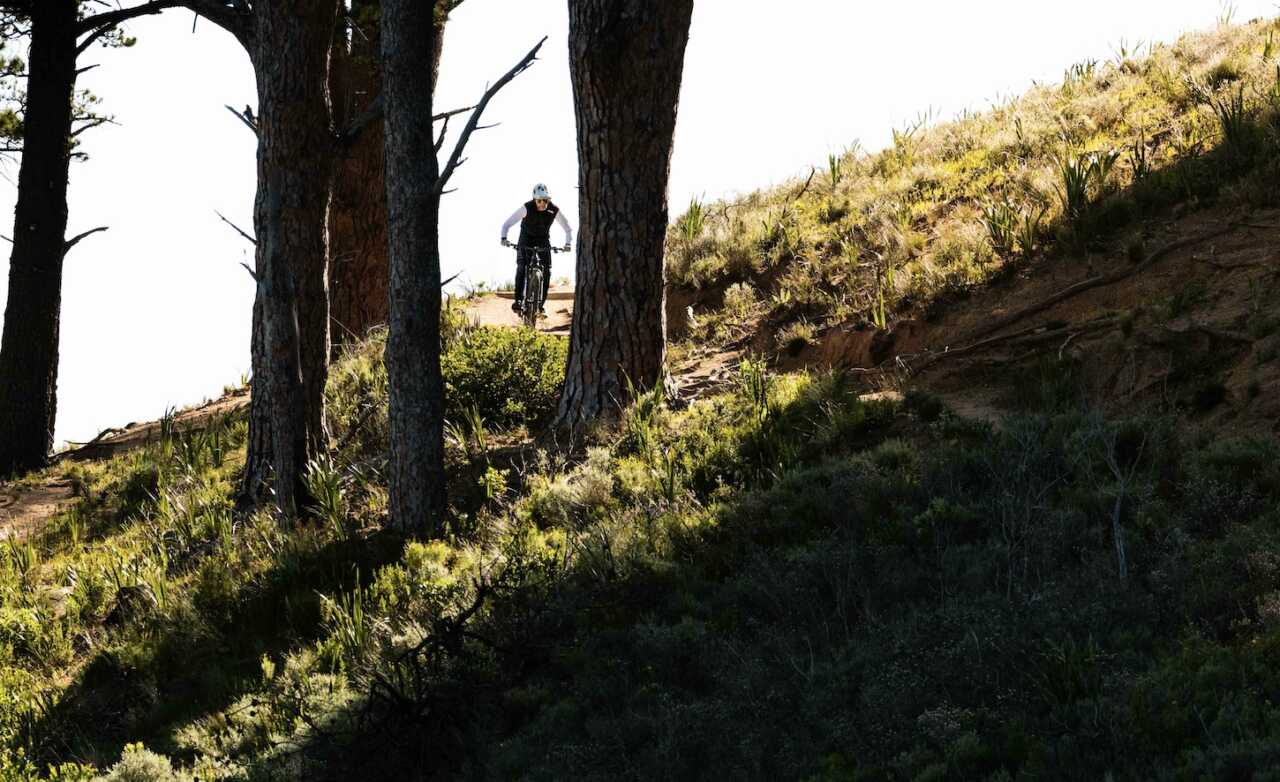
It didn’t take much time in the saddle to notice the easy-to-ride characteristics of the Rail and it felt completely at home wherever I took it. In tight and techy trail sections, it has a very precise feel to its steering. At speed on flow trails, the Rail is a stable beast of a bike with incredible suspension that effectively cushions just about anything in its path.

As for the Bosch system, I wouldn’t say it’s noisy but it is definitely not the quietest around. I don’t mind the marginal moaning of the motor because it has a unique feature that adds so much play to the ride. In eMTB and Tour+ mode, the slight overrun power surge of the system – an intentional design feature – is very vague and might not be noticed by everyone but it is there and it helps unlock those impossible-to-climb sections of the trail. The overrun is triggered by a quick stamp on the pedal before ratcheting back into position. Get it right and you’ll have the back wheel drifting under power in the turns too. What a jol.
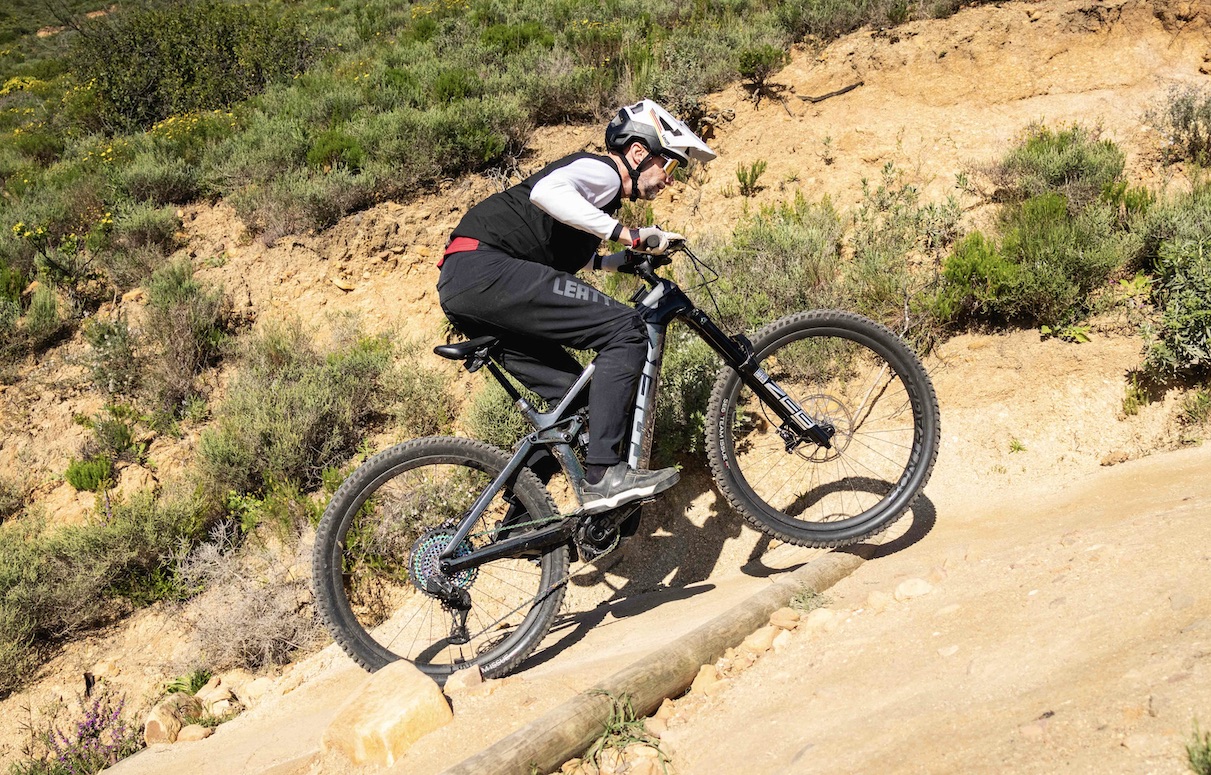
I’m 1.74m tall and this size medium feels more like a custom bike – built to fit me. The new geometry offers more reach without sacrificing saddle clearance which is a great move by the gurus at Trek. The balance, or front-to-rear rider weight distribution of the new geometry, is excellent.

After the first ride, there are two very definite changes I’ll make to the bike. The trails here in Cape Town are hardpack and rocky so if I’m going to ride with optimal tyre pressures then inserts are non-negotiable. The grips are a little too thin and hard, so I’ll slip something a little more comfortable on for future rides.
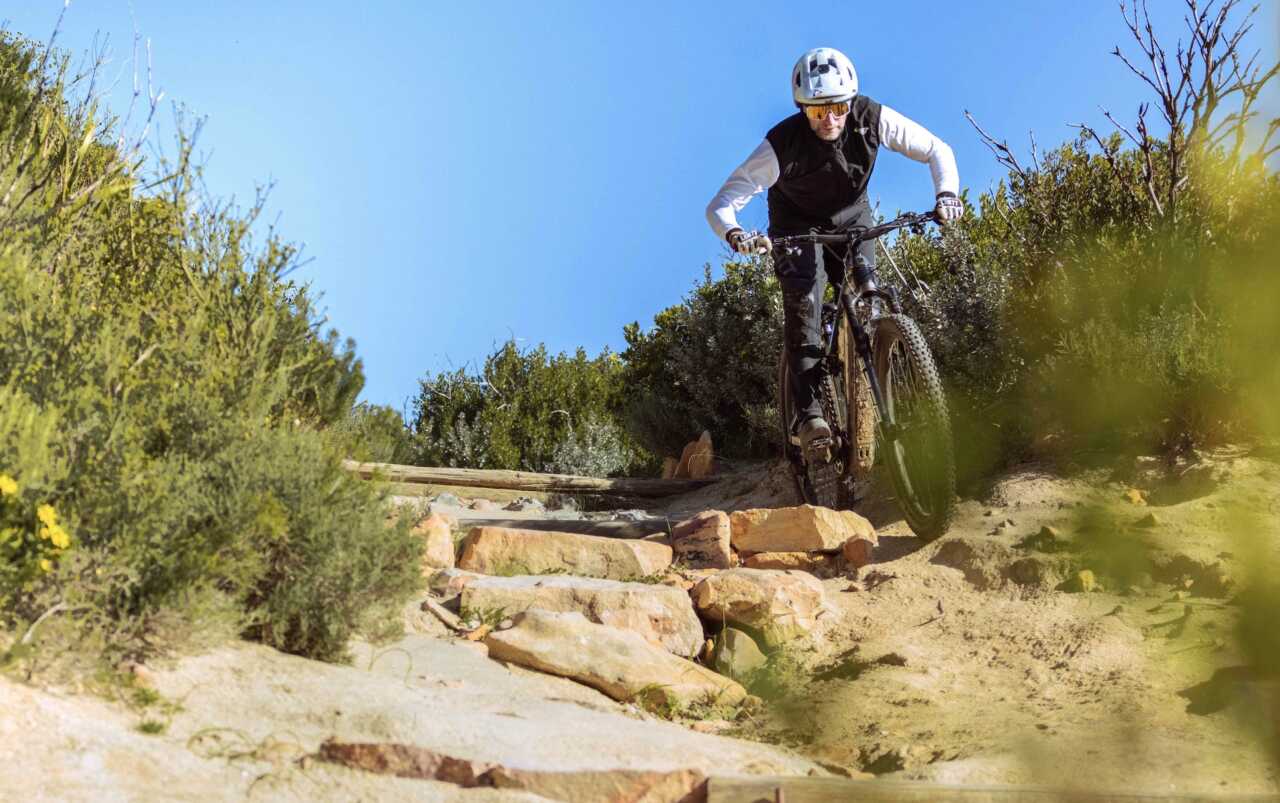
Now, to the burning question; do we need all the techy bling or is it just nice to have? I’m referring to the carbon cranks, carbon frame, carbon wheels, electronic shifting, electronic dropper, TyreWiz and AirWiz. At this stage, with so little time on the bike, my thoughts are the opulent add-ons certainly bring a luxurious feel and do add convenience. I mean, I’d be lying if I said this bike isn’t extremely smooth and lekker to ride and those luxury items do add to the ride experience. So if it’s affordable, why not? However, not everyone needs to go this high end. And that 750Wh battery is also specced on models like the Rail 9.7 which looks like a great buy.
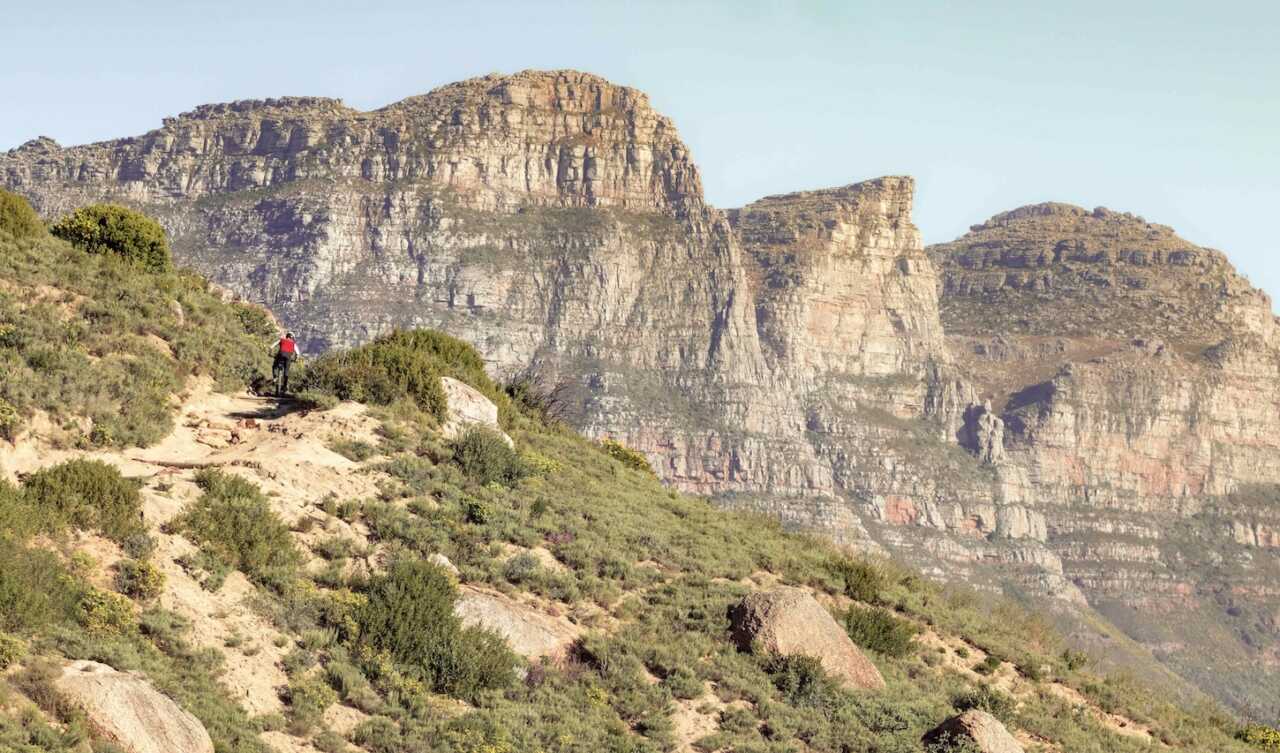
Of all the bling on the Trek Rail 9.9, the sheer convenience the TyreWiz and AirWiz offers is very valuable to riders who despise pre-ride admin and checklists. With the ‘Wiz’, gone are the days of riding with too much sag or dangerously under-inflated tyres.
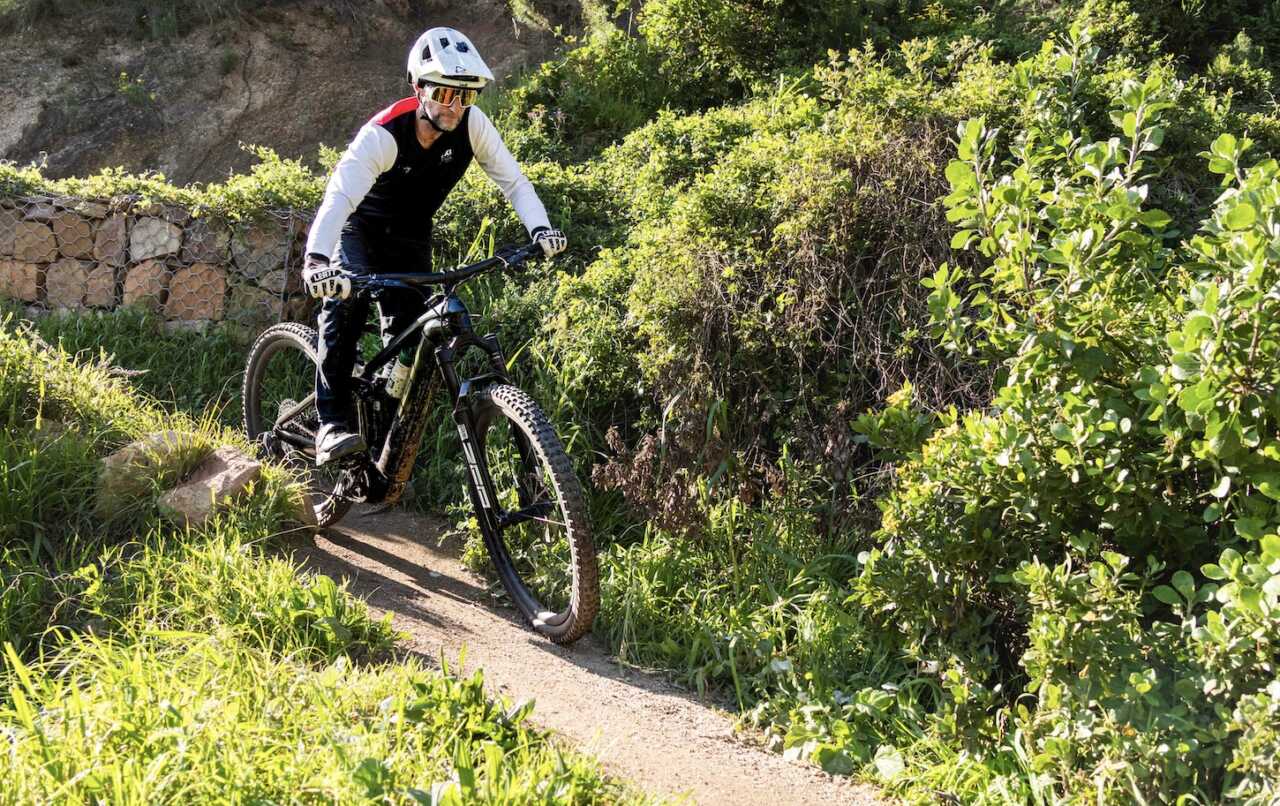
Despite what my dogs think, I’m by no means perfect. However, I am pedantic when it comes to pre-ride admin. I always check tyre pressure and pay attention to sag. So, for me, TyreWiz and AirWiz, as amazing as they are, are not absolute must-have items. Again, if it’s affordable then do it! I will however put up a good argument for the rest of the bling. It adds to the ride!
Learn more about the Rail 9.9 XX1 AXS machine here and a big thanks to the crew at Leatt for styling and protecting me. You can check out the Leatt range here
| IMAGES: Rob Ward |