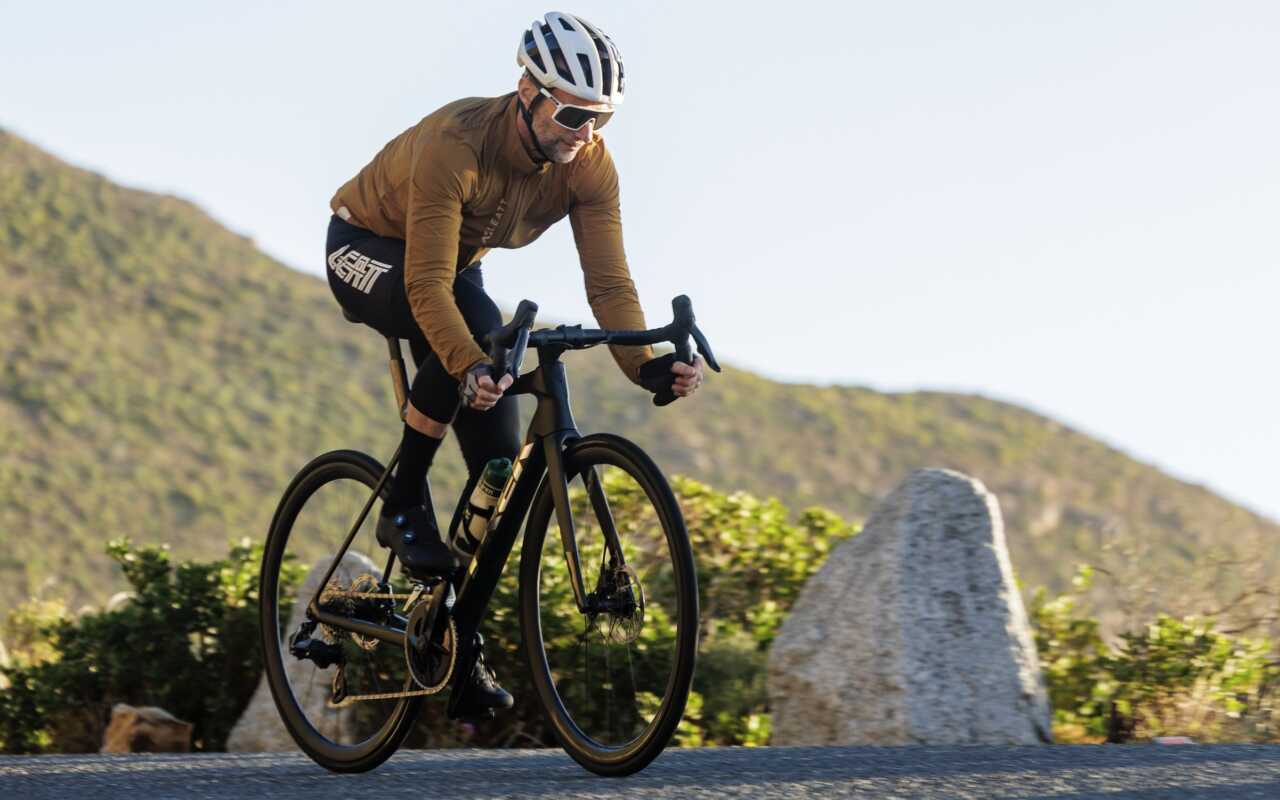
Review: Trek Madone SL 6 AXS | The wallet-friendly, dream machine

A brilliant budget buy for amateur racers and recreational enthusiasts seeking performance.
| WORDS: Myles Kelsey | IMAGES: Nick Muzik |
Trek released the eighth generation of their Madone race bike just under a year ago. On launch I was lucky enough to get my hands on the range-topping SLR 9 AXS model for a review. Yes it costs a small fortune, like north of R300k, but my goodness, what a sensational ride!
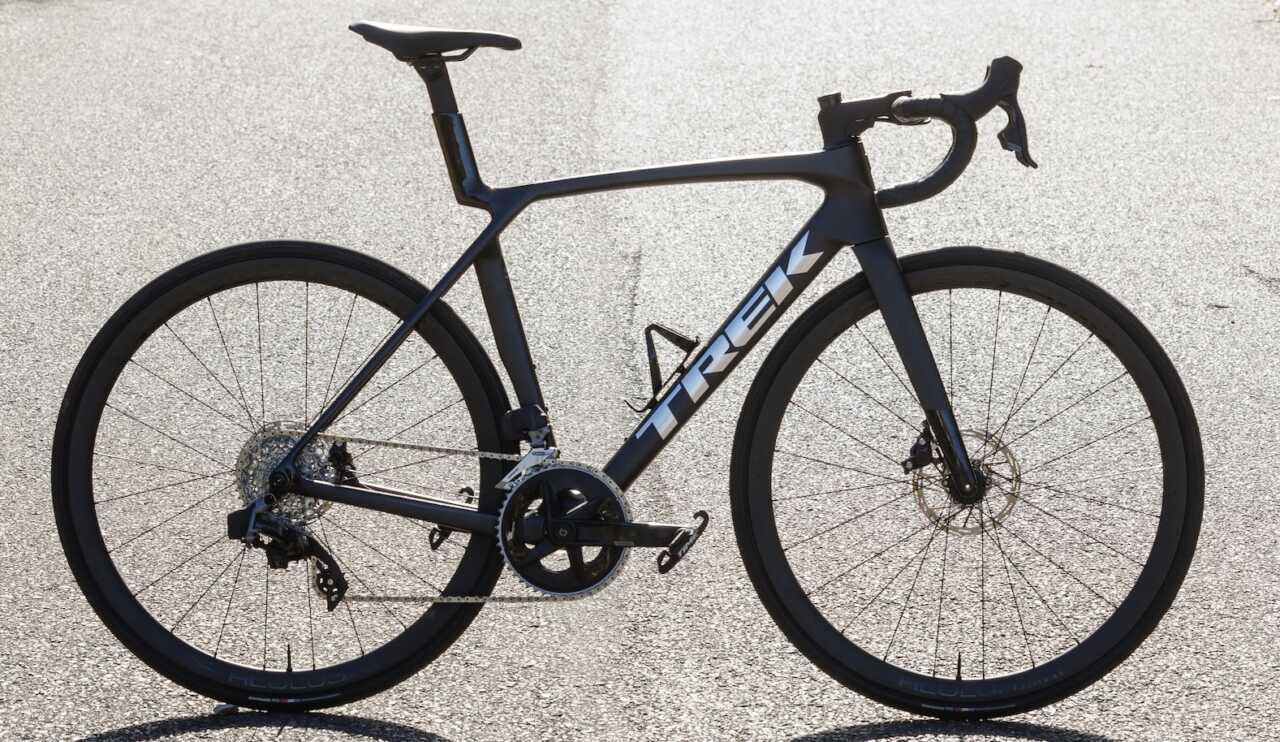
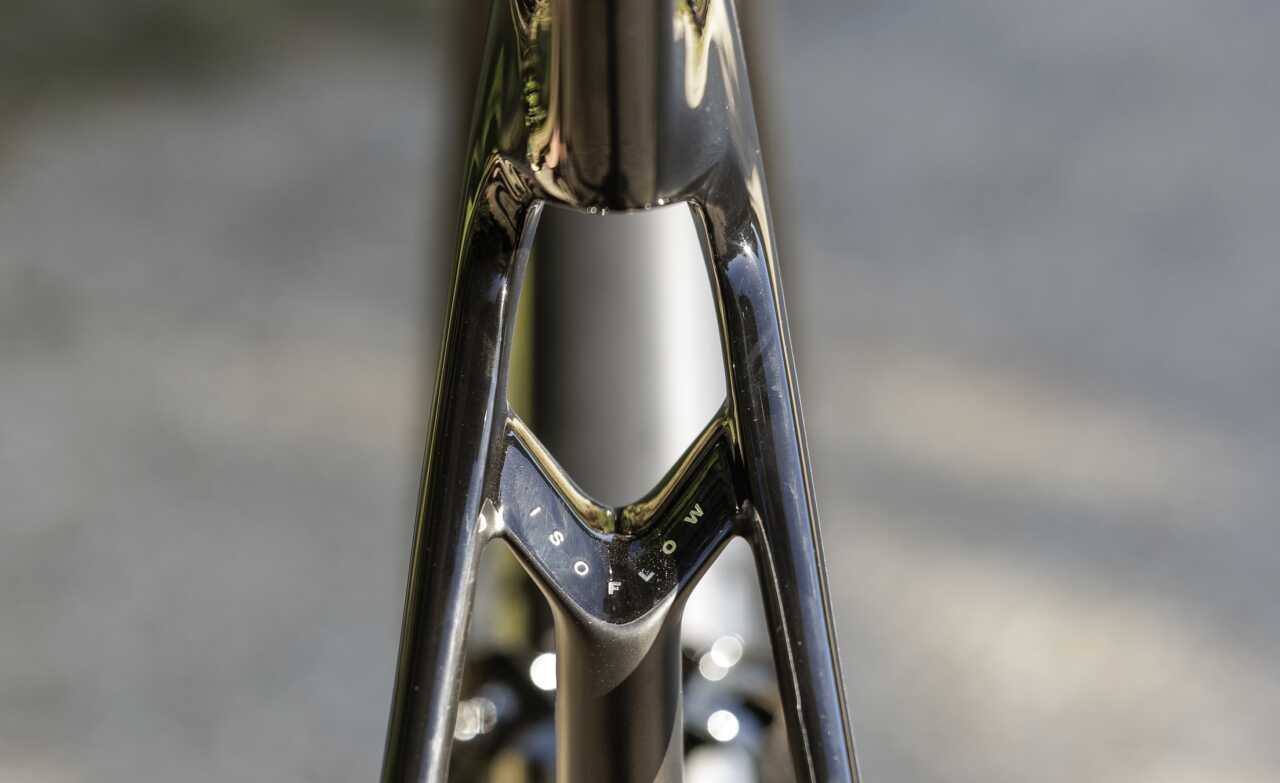
At the other end of the Madone range, is this SL 6 AXS model, that has everything most racers would expect from a race bike. It shares the contemporary design (and mould) of the SLR 9 machine, meaning it’s built with the versatility to perform on flat or hilly race courses. Officially it accepts tyres up to 32mm, but you could go wider. It also has the compliance and aerodynamic advantage of the hole in the seattube, a.k.a IsoFlow. So how does it stack up?
Video Review: Trek’s Best ‘Budget’ Race Bike
The Bike
The Madone chassis features a combination of foil-shapes, compact round shapes and a few slimmer shapes. Visually, the bike displays elements of a traditional aero machine and those of a classic climbing machine.
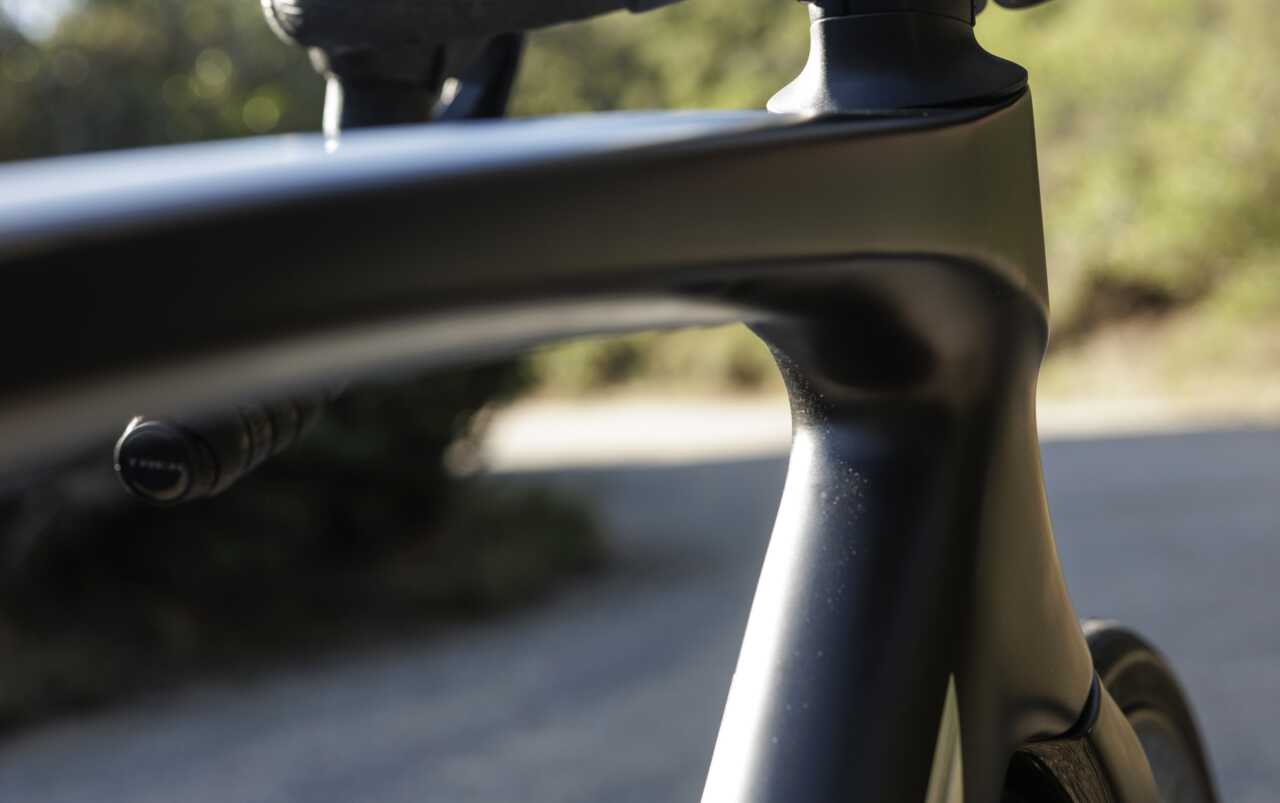
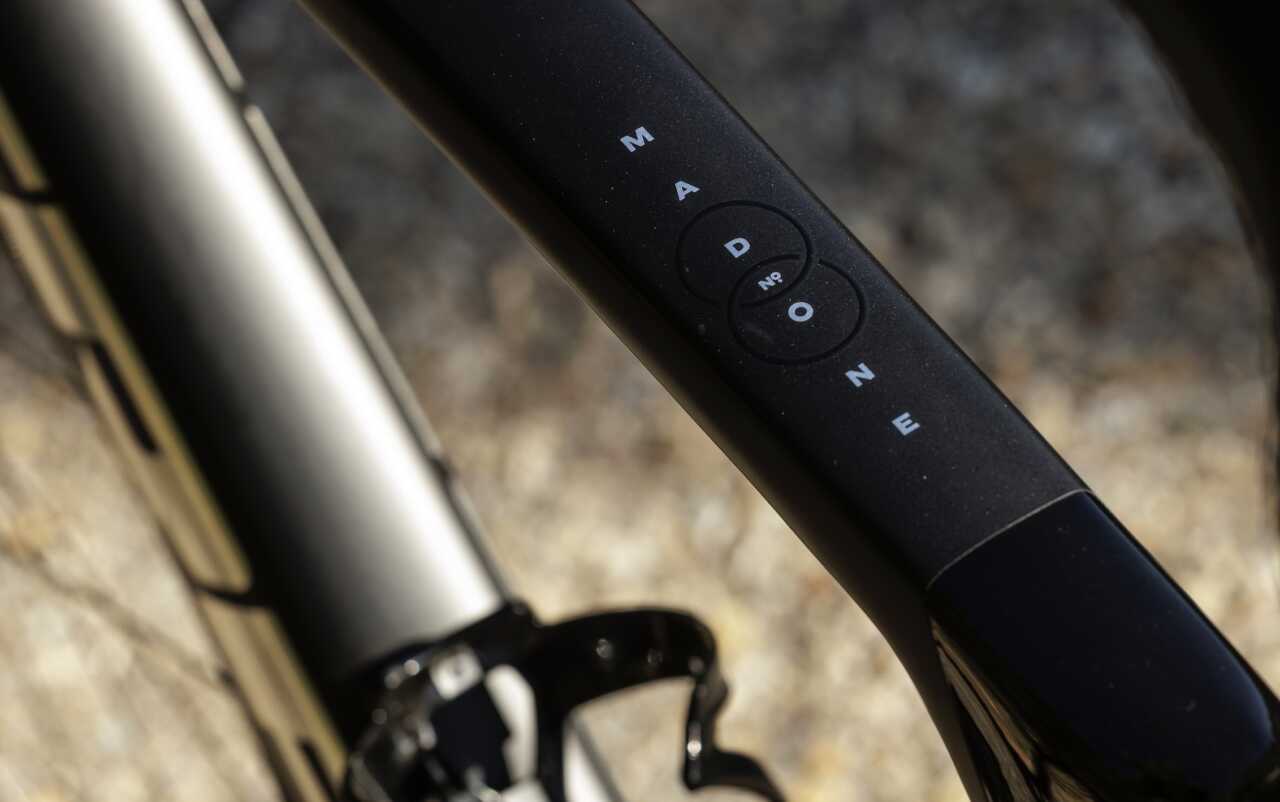
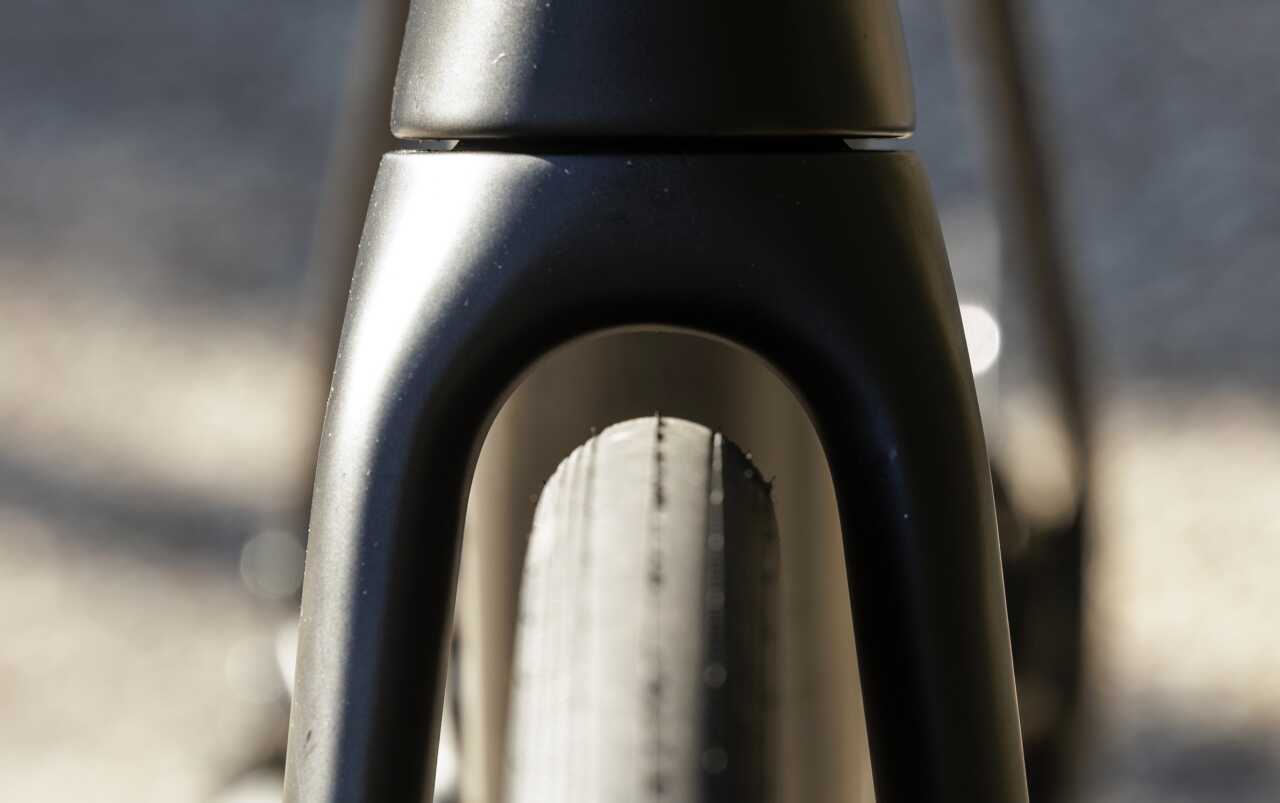
The fork and steerer is a one-piece carbon gig, complete with shallow aero shapes to add aerodynamic benefits to it’s light construction. In fact, all the leading edges on the fork, downtube, seat tube and stays are unique in shape creating a holistic ‘system of aero.’

The Build
| FRAME | 500 Series Carbon, IsoFlow Seat tube, 32mm Tyre Clearance |
| FORK | One-piece Carbon construct |
| WHEELS | Bontrager Elite Aeolus 35, Carbon (1685g) |
| TYRES | Bontrager R3, 170TPI, 28mm, setup tubeless |
| GROUPSET | SRAM Rival AXS |
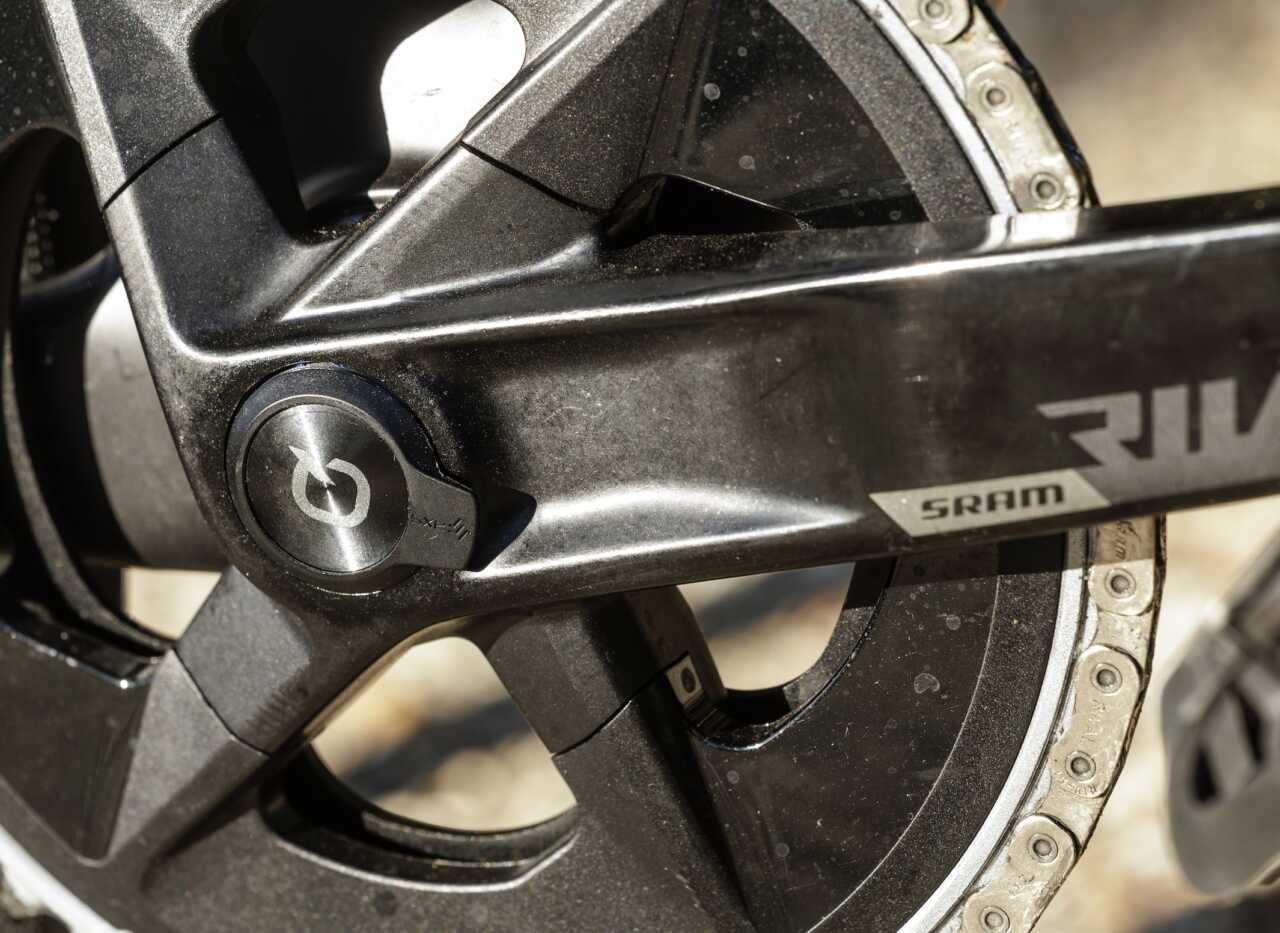
| CRANKSET | SRAM Rival, 172.5mm, 48/35T, with power meter |
| CASSETTE | SRAM XG-1250 10-36T |
| COCKPIT | Two-piece, Bontrager Comp Alloy Bars, 40cm hoods and 44cm in drops | 100mm Trek RCS stem |
| SADDLE | Bontrager Aeolus Comp |
| ROTORS | SRAM Paceline 160mm front and rear |
| WEIGHT | 8.6kg (actual) – size M/L, tubeless, no pedals |
| SIZING | XS, S, M, M/L, L, XL |
| RETAIL | R115k |
| MORE | trekbikes.com |

Stated weight for the frame and fork is 1471 grams. The maximum rider weight limit, on all models of the Madone, is 125kg and to broaden the ‘range of fit’ per frame size, Trek will offer two seat masts, a short and a long one.
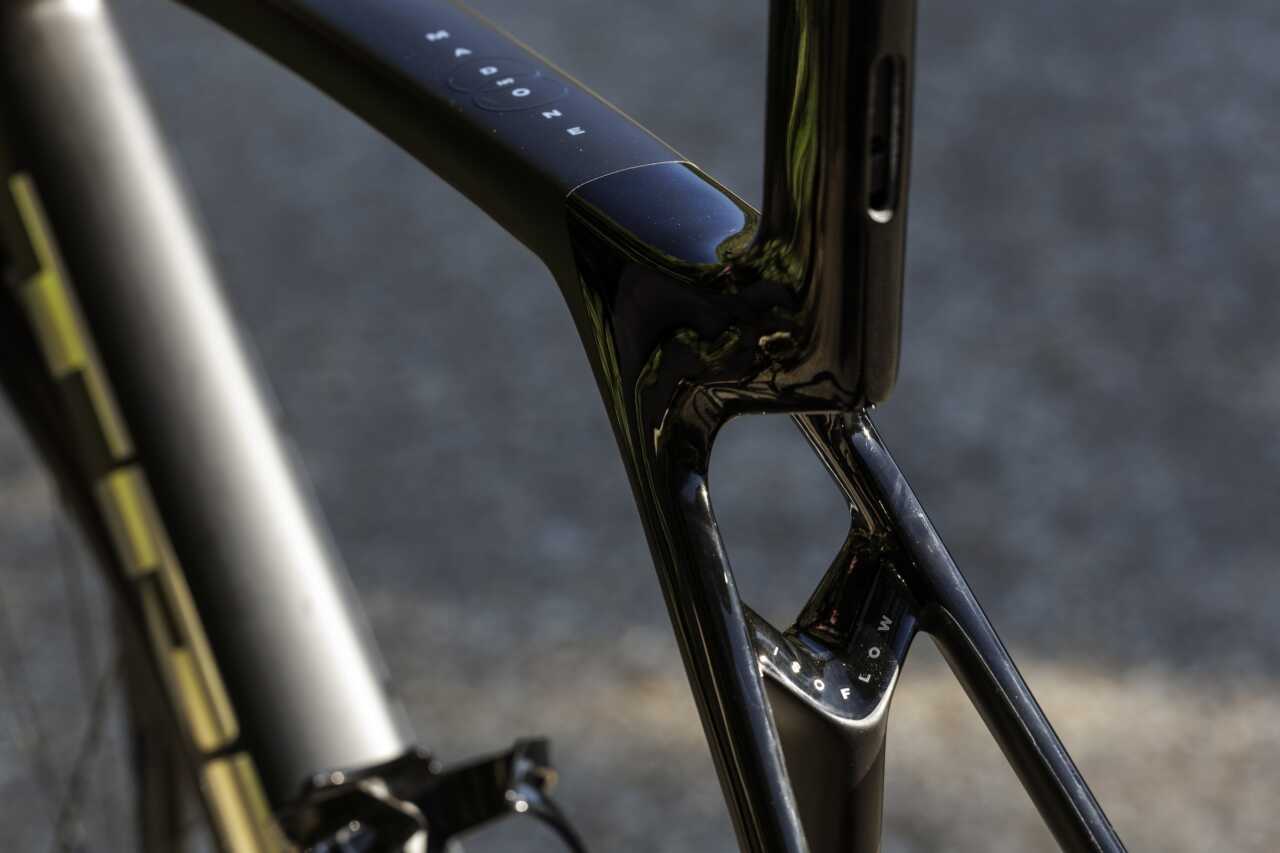
The hole in the seat tube, known as IsoFlow, performs two functions. It boosts aerodynamics by providing an easy exit for the slow moving pocket of air behind the rider’s legs. Additionally, IsoFlow also adds comfort to the ride through vertical compliance.
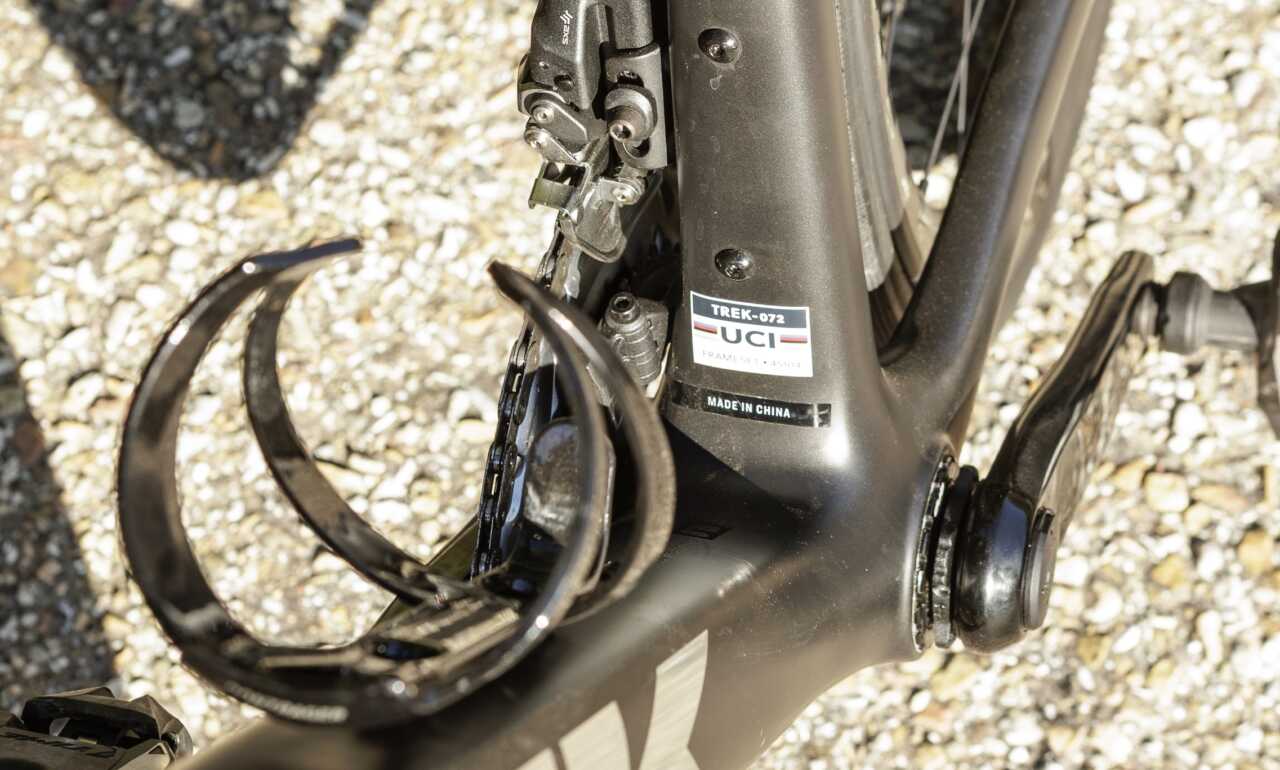
I’d describe the build kit on this model as wallet-friendly yet performance-orientated. Shifting and the drivetrain is the 2 x 12-speed, Rival AXS wireless electronic groupset from SRAM. The gearing is 48/35 upfront with a 10-36T cassette. Inside the spindle and included with the sale of the bike, is SRAM’s crank-based power meter; a must-have for anyone who is even remotely serious about improving performance.
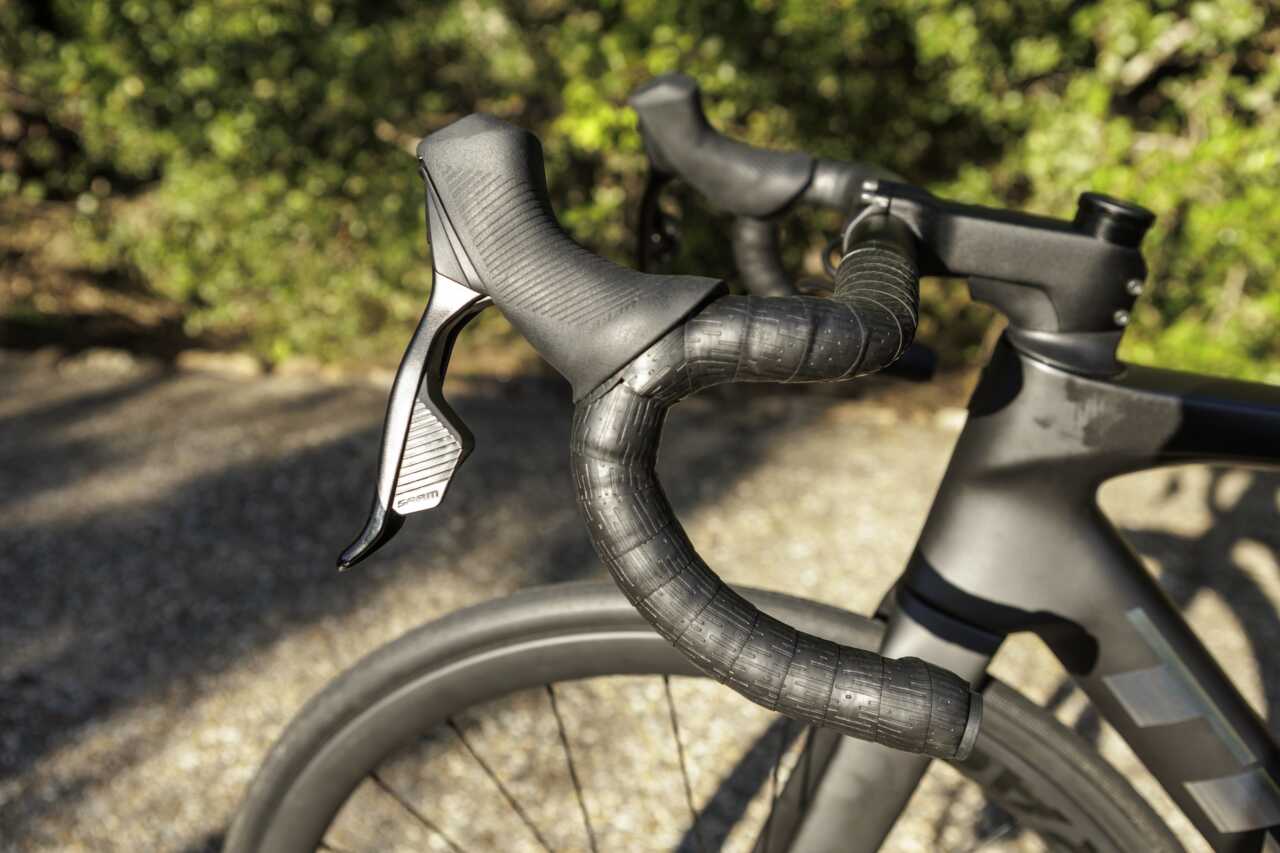
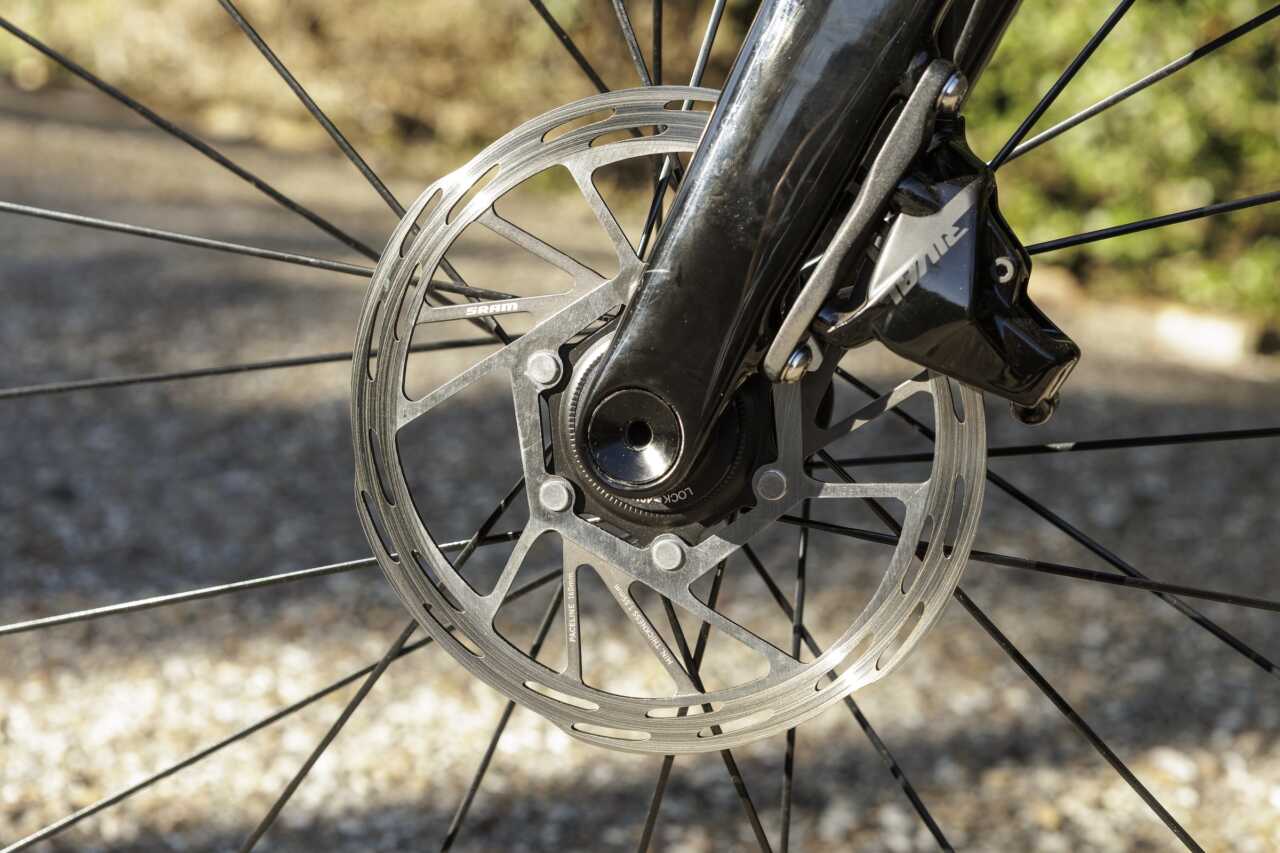
The maximum chainring size for a 1 x setup is a 54T and on the 2 x setup the Madone will accommodate up to a 56/43 equipped crankset. It’s also worth mentioning the frame is UDH ready, meaning it’s compatible with SRAM’s 1 x 13-speed groupset.
The carbon wheelset from Bontrager weighs close on 1600grams and will run clinchers or tubeless. Offcially, tyre clearance on the Madone is ‘up to 32mm’ however there’s a lot of extra space there – I reckon 38mm tyres would be ok and depending on the manufacturer you might squeeze something bigger in there, if you are willing to risk it that is. If you are going with wider rubber, remember to pay attention to inner rim widths; you need wide rims to run wide tyres.
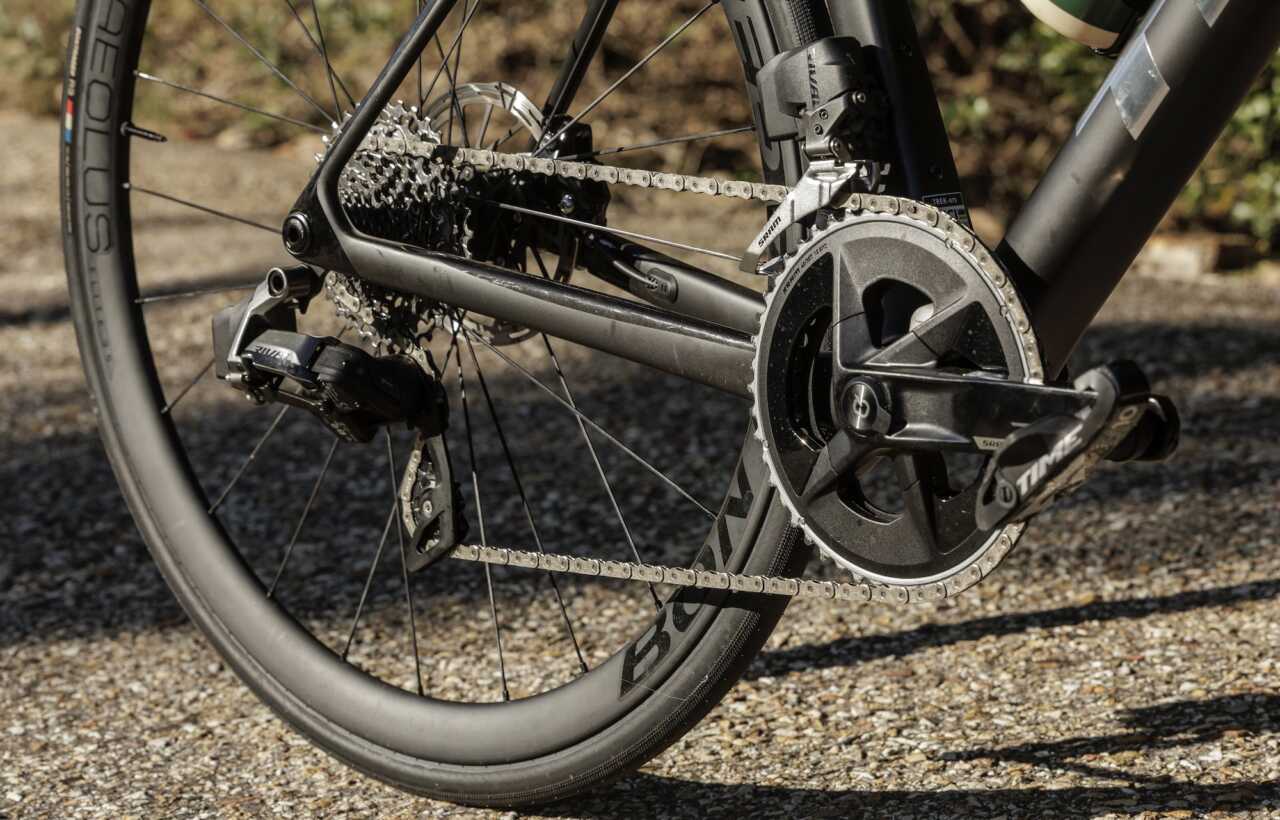
The design ethos of the Madone is to maximize aerodynamics and minimize frame weight. Trek says, “The Computational Fluid Mechanics process helps determine which areas of the bike get the aerodynamic focus and which areas have more of a structural focus.”
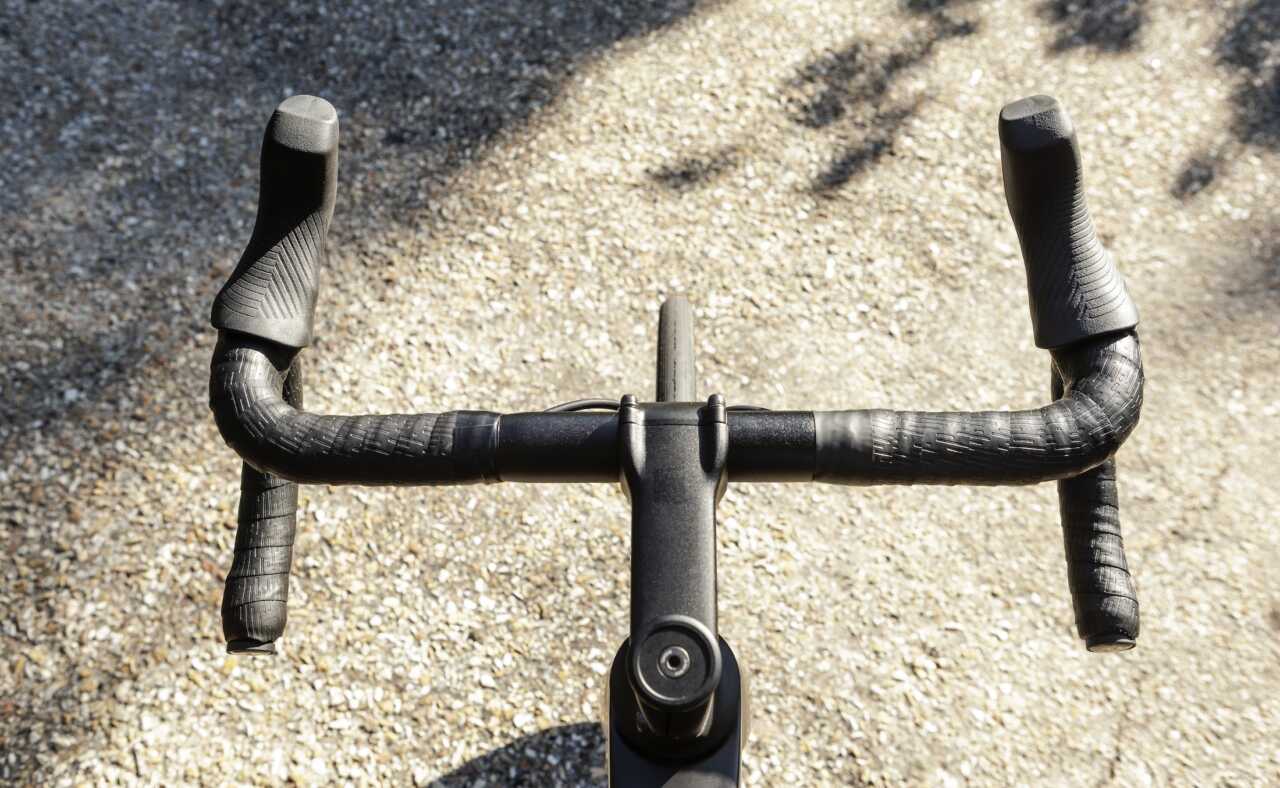
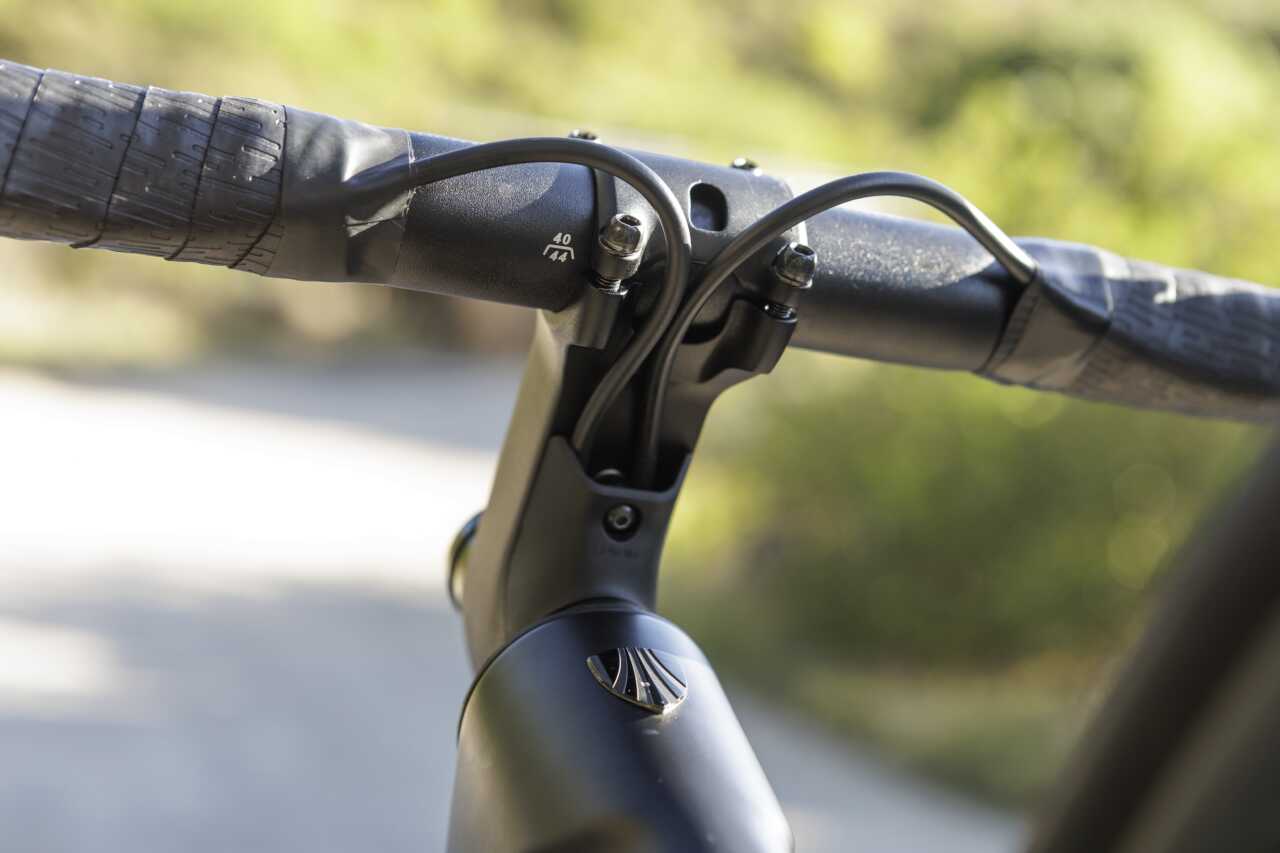
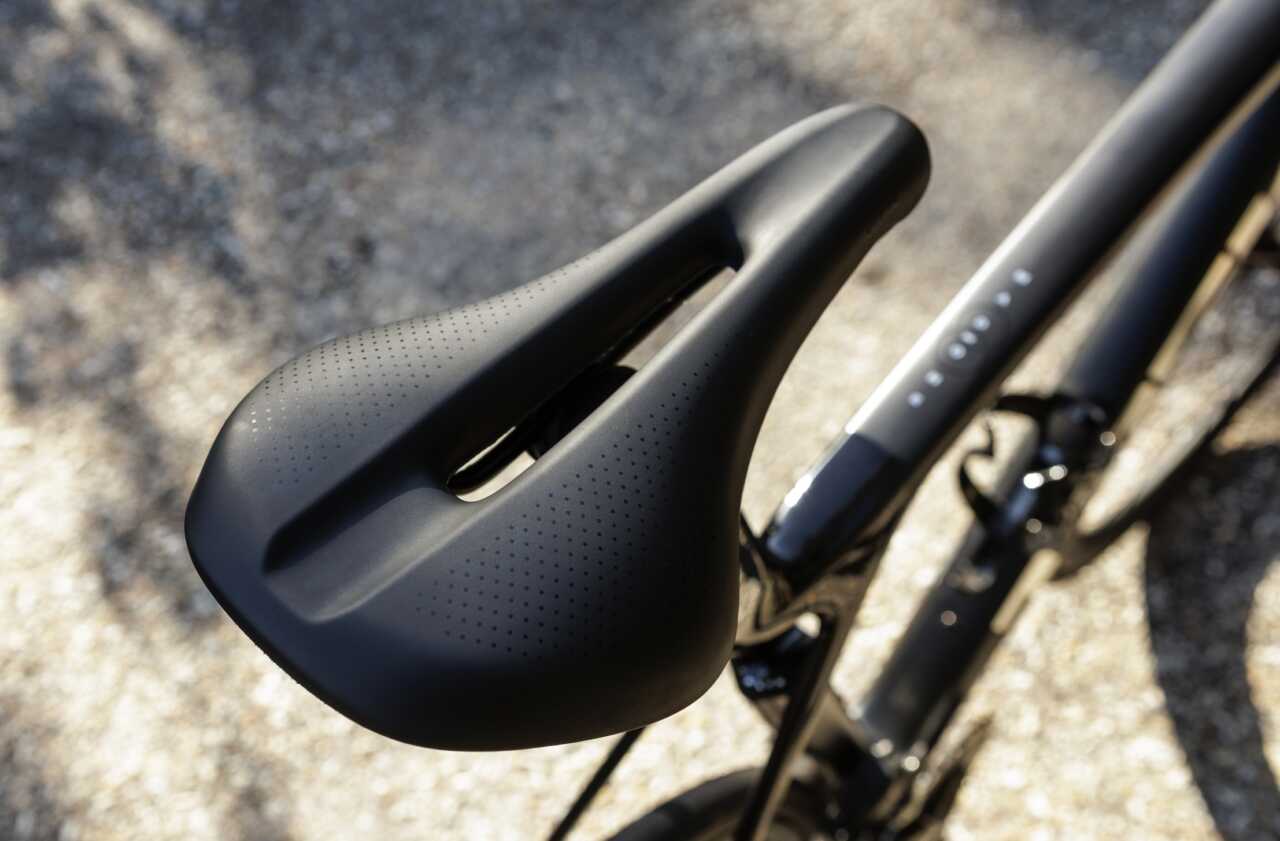
The cockpit is a two-piece affair with an alloy bar and stem from Bontrager and Trek. Additional aero gains come from the bars that narrow from the drops to the hoods, by 4cm. From the tops, the cables slip under the stem and into a housing before dropping straight into the frame. This hidden cabling design makes a big impact on the overall aesthetics of the bike. Rounding out the build kit is the steel-railed Bontrager Aeolus Saddle, with an average-sized cut out.
Finally, although it’s Trek’s base-level carbon, the ‘500 Series OCLV’ frame only weighs 250 grams more than the 900 Series SLR 9 frame. That’s a tiny weight penalty for a massive chunk of cash saved. I’d bet a big box of biltong, most riders wouldn’t feel the extra 250 grams on the road.
Ride Impressions
COMFORT | A decade or so ago, nobody dared mention comfort when designing or talking about a performance race bike. Likewise, buyers never had it on their list of must-have features. Thankfully, things have changed. We now know, for sure, that overly-stiff rides exacerbate fatigue and therefore turning up the comfort, just a little, will increase performance. It would seem with the new Madone, Trek has fully embraced this newish approach.
My personal bike has the same build kit as this test bike – that’s wheels, saddle and gruppo which makes my comparison on comfort, more accurate. What I can say for sure is, the Madone feels fractionally smoother on rougher surfaces than my bike. Tyres, saddle and frame design are the chief proponents here and with two of those variables being equal to my personal bike, I put the smooth ride and damped feel of the Madone down to the IsoFlow design. It definitely does dampen some of the edges and rough surfaces, that I usually notice, on my regular rides.
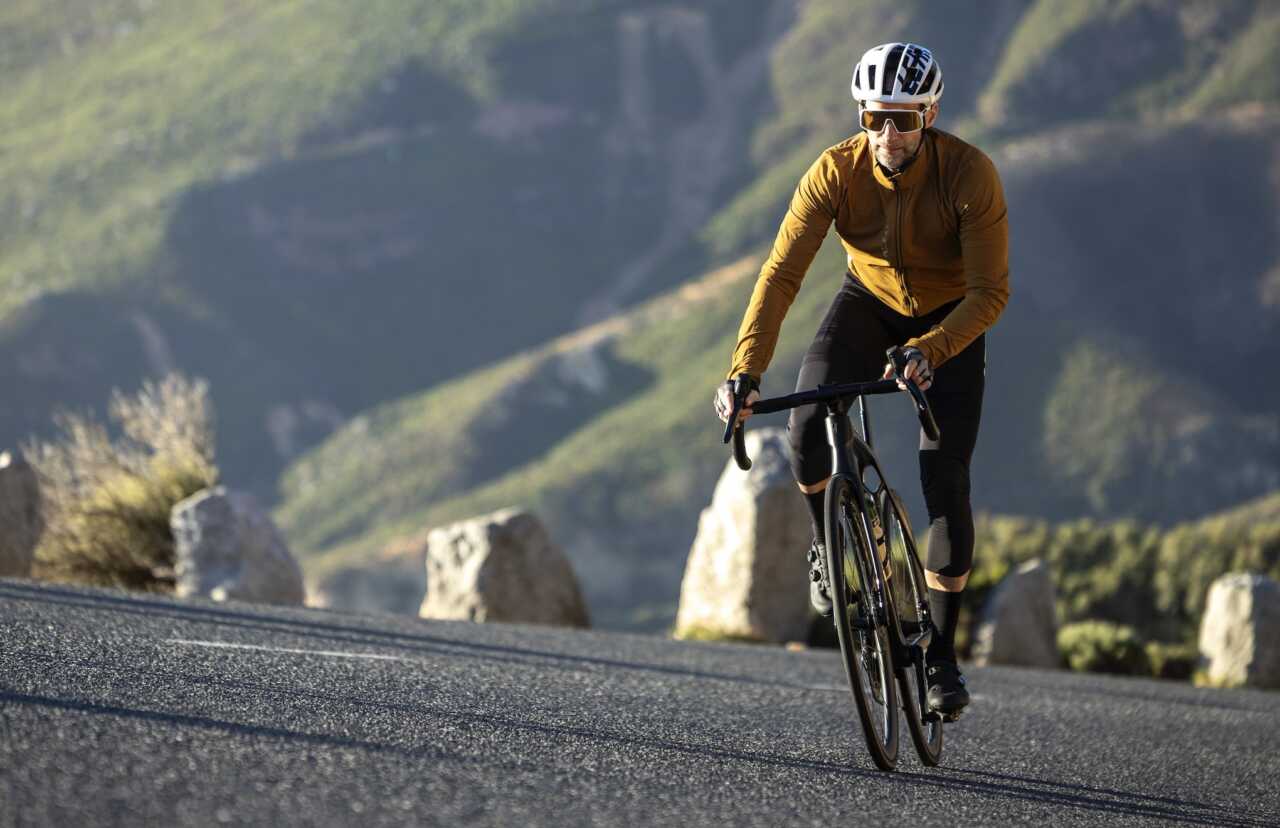
CLIMBING | So whilst I’m banging on about the comfort and compliance from the IsoFlow, we’ve got to remember this damping is built into the bike but only around the top of of the bike, in the areas of the chassis that is closest to the saddle. At the front of the bike and down by the BB area, it’s a different story. Trek says when it comes to torsional stiffness, the Gen 8 Madone is the stiffest road bike they’ve ever made. What all this means is your watts are not absorbed into the compliance.
From all my rides on this Madone, I pretty much matched the climbing pace of my personal bike, an SL 6 AXS Emonda. Whether in or out of the saddle, cruising or flatbox, this bike feels stiff and efficient on the climbs. With SRAM’s 48/35T chainrings – there’s also plenty of gearing to keep rolling the big blade over shorter climbs, or just to sit back and spin it out on the small blade.
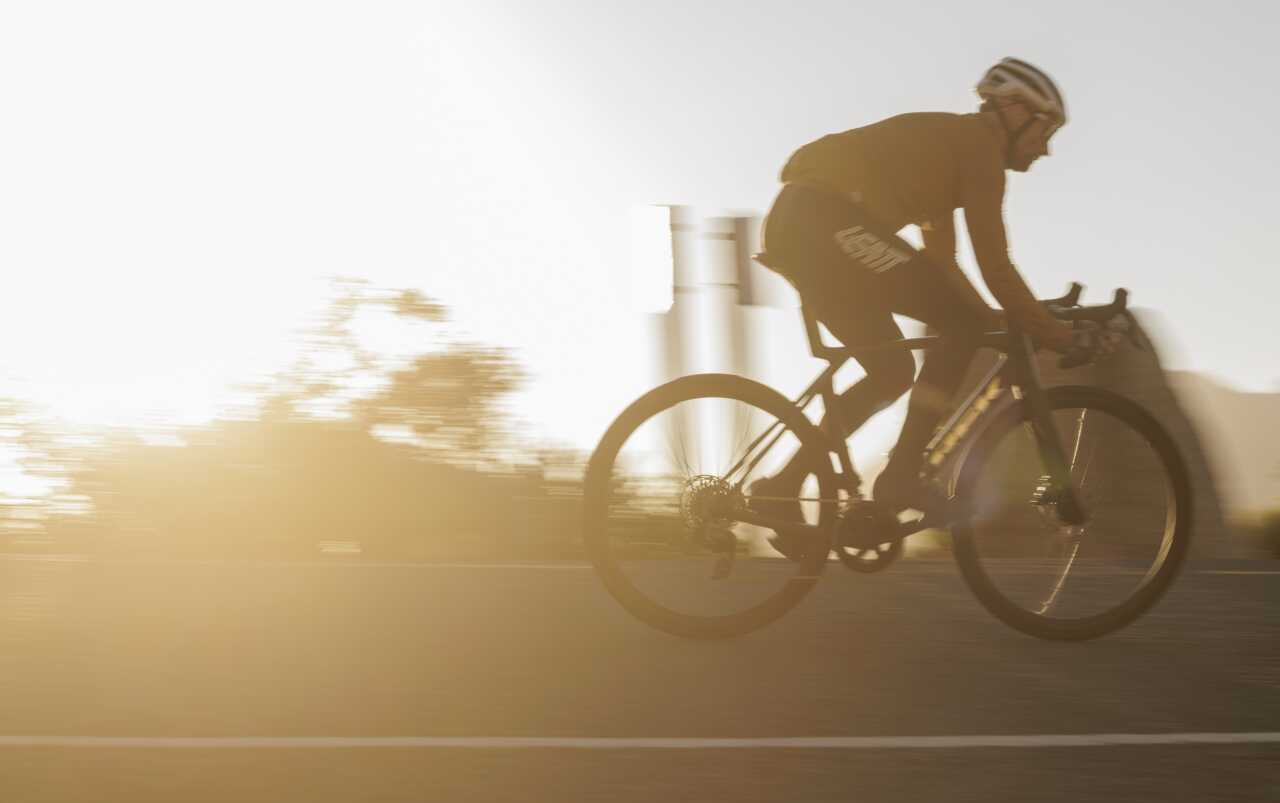
FLAT TERRAIN | On flatter terrain and slight downhills the SL 6 Madone holds speed well, especially when above the 35 kph mark. It’s a true race bike with a race fit and I found the aero design elements in the frame, encouraged me to push the speeds higher, — as if to do them justice. Also encouraging me into a more aero position is the bars — there’s a slight narrowing from the drops to the hoods and while it’s only 40mm narrower on the hoods, there’s noticeably less drag here.
Through high-speed corners and when correcting lines, this SL 6 model has quick and stable handling – just like the top-of-the-range SLR models. Yes there’s a little less acceleration and snap when pouncing on the pedals, but at less than half the price, that is to be expected.

PERFORMANCE OF THE BUILD KIT | Considering the pricepoint, Trek have jammed a lot of performance-orientated bling into the SL 6 AXS Madone. A crank-based power meter, race-ready carbon wheels that will run tubeless or clinchers and SRAM’s Rival AXS electronic gruppo are high-value items for racers. Every part of the build kit performed flawlessly. The shifting is crisp and precise, even when under power and throughout the test period, I never dropped a chain. The contact points – saddle and bars – are all great, although I would suggest thicker bar tape as the stock option is on the thin side.
I want to give special mention to the Bontrager R3 Hard-Case Lite Tyres. The rainy season has arrived here in Cape Town and these early rains litter the roads with a lot of muck, yet I experienced no flats. At 72kg’s I ran the tyres on a tubeless setup with 65psi front and 70psi rear. That seemed to be the better setup to get the best rolling speed, durability and comfort without inducing any wallow.
Bottom Line
The Madone SL 6 AXS is smooth, responsive and rides like a dream. With it’s all-carbon build, wireless electronic shifting and integrated power meter, I think this is probably one of the best race bikes you can buy on a budget. //