


Beginners | How To Train for Your First 50km Ride

Have you been thinking about taking on your first 50km ride? Whether you’re getting into road, exploring mountain biking or simply looking for a new fitness goal, covering 50km on a bike is a rewarding milestone.
You really don’t need to be an elite athlete or spend hours training every day to get there. With a little consistency, the right preparation and a sensible training plan, most healthy beginners who already have some basic riding experience can work towards completing their first 50km. The secret is to build your fitness gradually, learn how to pace yourself and give your body enough time to recover between your training rides. Here’s how to get started.
1. How fit do you need to be to ride 50km?
You might be surprised by how achievable a 50km ride can be. While it may sound like a long distance when you’re starting out, it’s a realistic goal for rookies who are prepared to put in a few weeks of consistent training. How long it takes to complete 50km will depend on your fitness, the terrain, weather conditions and how frequently you stop along the way.
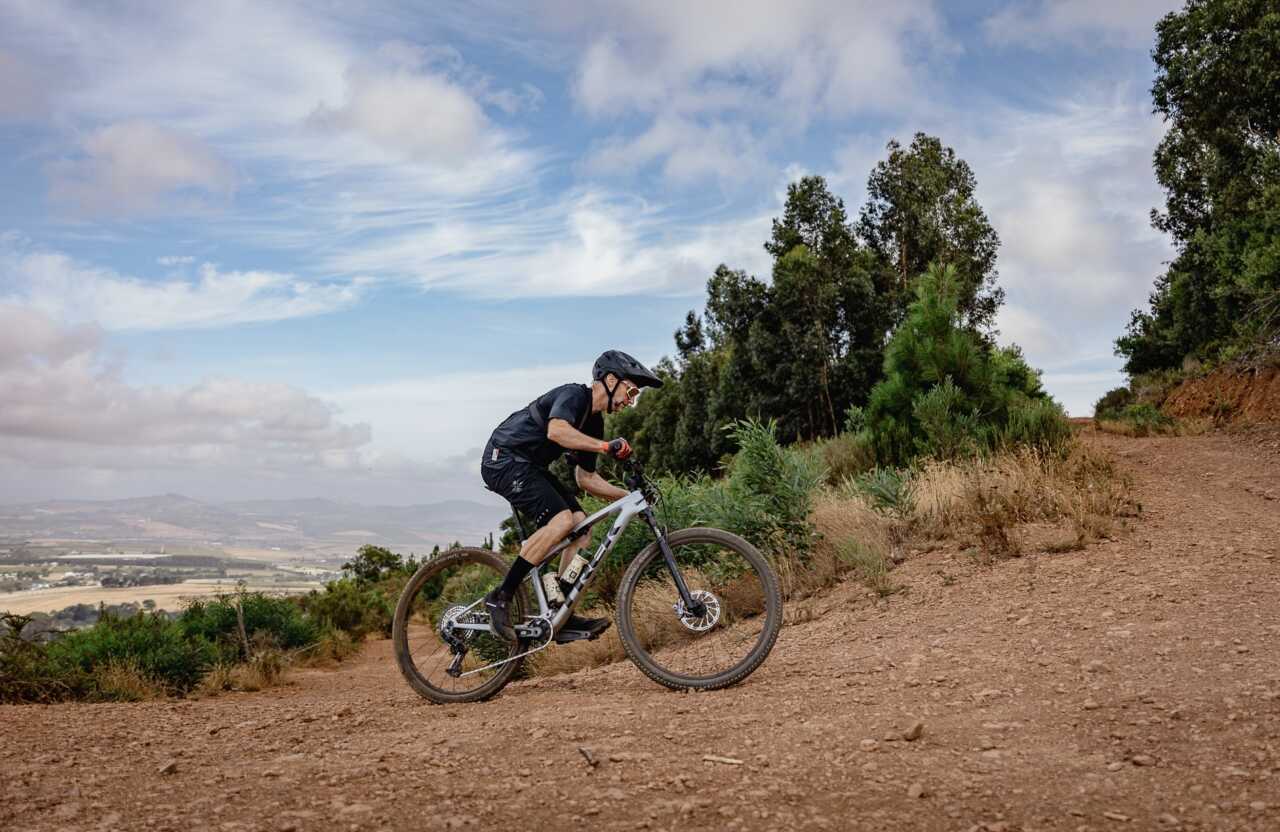
As a rough guide, a beginner riding at an average of 15km/h will take around 3 hours 20 minutes. At 20km/h, the same distance takes approximately 2 hours 30 minutes. At 25km/h, it takes around 2 hours. These are obviously moving-time estimates and don’t include breaks. I’d suggest not to get caught up in average speeds or comparing yourself to other riders. Your main goal should simply be to complete the distance comfortably. If you can already ride 10-15km without too much difficulty, you’re in a good position to start building towards 50km.
2. What do you need before you start training?
You don’t need an expensive bike or a garage full of the latest gear to prepare for your first 50km ride. However, having a few essentials will make training safer and more enjoyable.
A suitable bicycle | Whether you’re using a road bike, mountain bike or gravel bike, make sure it’s in good working condition. Check your brakes, tyres, gears and chain before heading out.
A properly fitted helmet | A comfortable, correctly fitted helmet is essential. Make sure it sits securely and doesn’t move around while riding.
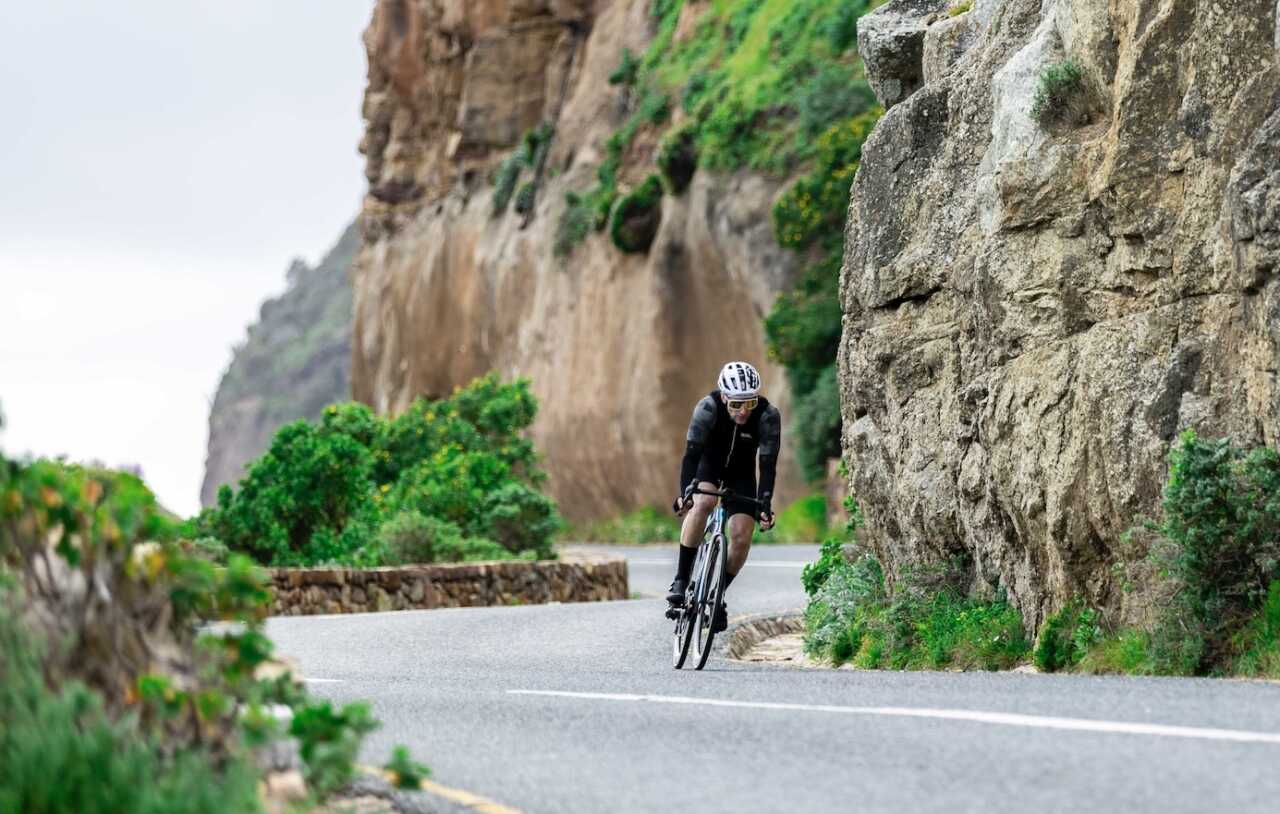
Comfortable kit | A pair of padded cycling shorts can make a significant difference, particularly as your rides get longer. Breathable clothing will also help you stay cool and comfortable during warmer conditions.
Water and nutrition | Carry enough water for your planned distance. For longer rides, take along some easy-to-carry snacks or energy bars.
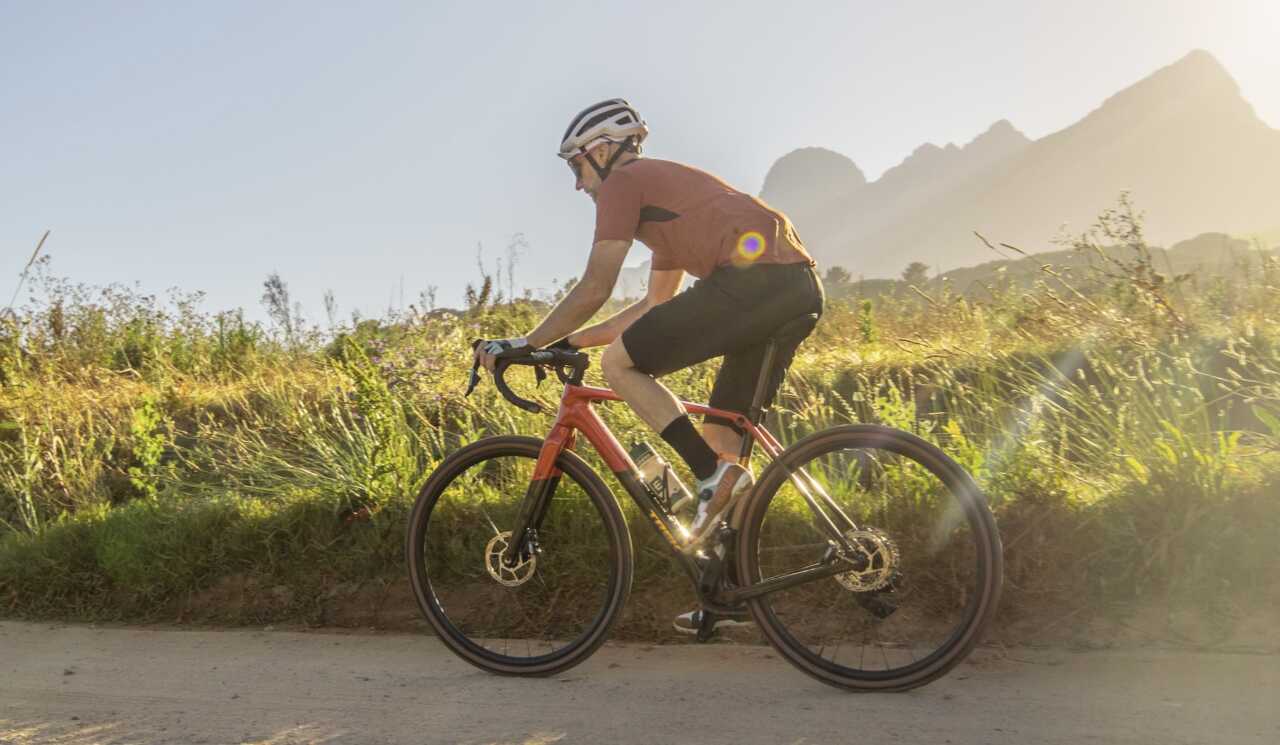
Basic repair equipment | Always be prepared for a puncture. A spare tube, tyre levers, a mini pump or CO2 inflator and a multi-tool are useful items to carry.
A way to track your rides | A cycling computer, GPS watch or smartphone app can help you monitor distance, time and progress. This isn’t essential, but it makes following a training plan easier.
3. Your eight-week training plan for a first 50km ride
The best way to prepare for a 50km ride is to increase your distance gradually rather than attempting a long ride before your body is ready. For this beginner program, aim for three rides per week: one shorter, easier ride. One moderate midweek ride. One longer ride at the weekend.
It’s absolutely key to leave plenty of recovery time between harder sessions – like a day or two. (24 to 48 hours) If you have the time and energy, you can also include gentle walking, yoga / mobility exercises or light strength training if you feel comfortable. The following plan is an example for someone who can already comfortably ride around 10km.
| Week | Short ride | Midweek ride | Weekend long ride |
| Week 1 | 5km | 8km | 12km |
| Week 2 | 6km | 10km | 15km |
| Week 3 | 8km | 12km | 18km |
| Week 4 | 6km | 10km | 15km |
| Week 5 | 8km | 15km | 22km |
| Week 6 | 10km | 15km | 30km |
| Week 7 | 10km | 18km | 38km |
| Week 8 | 5km | 8km | 50km! |
The 50km goal ride is suitable if you’ve completed the preceding training comfortably and feel ready. Otherwise, allow more time to build up.
A closer look at the programme
Weeks 1–2: Build a routine | The first two weeks are about getting comfortable with regular riding. Focus on riding consistently and finding a pace that allows you to hold a conversation without too much difficulty. Don’t worry about speed. Getting into the habit of riding three times a week is the priority.
Weeks 3–4: Build your endurance | By now, your body should be getting used to spending more time on the bike. Gradually increase your weekend distance, but keep the effort manageable. Week four is deliberately easier. This gives your body an opportunity to recover and adapt before the next increase in training.
Weeks 5–6: Increase your distance | This is where your endurance starts to develop. Your weekend rides will become noticeably longer, so pay more attention to hydration, nutrition and comfort. Start practicing eating and drinking while riding. This will become increasingly important as you approach the 50km mark.
Week 7: Your biggest training ride | Your 38km ride is an important confidence booster. It gives you an opportunity to experience what a longer ride feels like without needing to complete the full 50km. Keep your pace comfortable and practice everything you’ll need on your goal ride, including fuelling and hydration.
Week 8: Prepare for your first 50km | Reduce your training volume during the week to give your body time to recover. Keep the shorter rides easy and avoid trying to squeeze in extra training. When the weekend arrives, you’ll be ready to put your preparation into practice. Remember that this programme is a guide, not a race against the calendar. If a particular week feels too difficult, repeat it before increasing your distance.
4. Learn how to pace yourself
One of the most common mistakes beginners make is starting too fast. It’s easy to get excited when setting off on a ride, particularly when riding with friends or taking part in an organized event. However, pushing too hard in the first few kilometers can leave you struggling later. Instead, aim for a comfortable, sustainable pace. A useful way to judge your effort is the talk test. If you can hold a conversation while riding, you’re probably working at a manageable intensity. If you’re struggling to get a few words out, ease off.
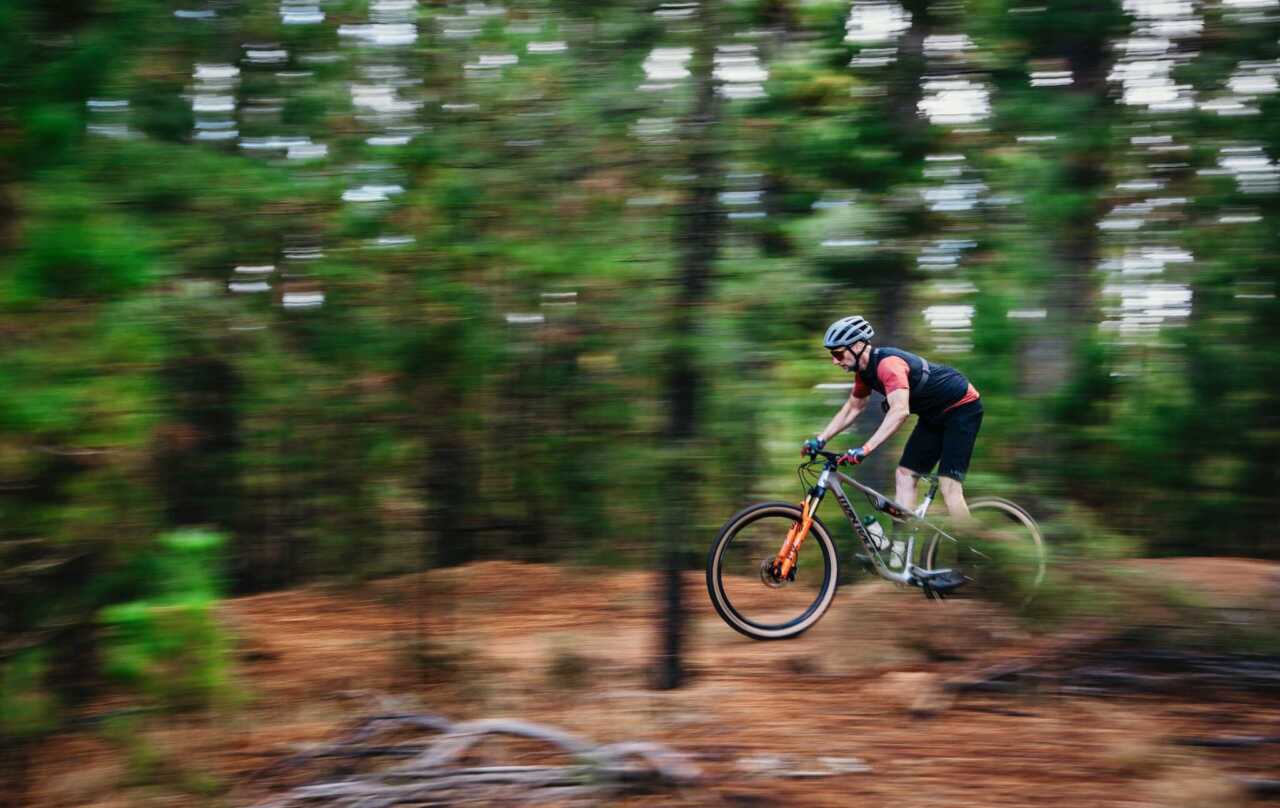
You should also learn to use your gears effectively. Choose an easier gear when climbing hills rather than trying to push a heavy gear and exhausting your legs. Remember, the goal is to finish your first 50km feeling like you’ve achieved something, not to light strava up.
5. What should you eat and drink when training for 50km?
Nutrition and hydration become increasingly important as your rides get longer. You don’t need complicated sports nutrition strategies to complete your first 50km ride, but you do need to give your body enough energy to keep going.
Before your ride | Have a meal or snack that provides carbohydrates before heading out. Good options include: oats with banana, toast with peanut butter, yoghurt and fruit or a muesli breakfast. Avoid experimenting with unfamiliar foods before a long ride. Stick to foods you know your stomach handles well.
During your ride | For shorter rides, water may be sufficient, particularly if you’ve eaten beforehand. However, as your rides get longer, start using a carbohydrate drink during the ride. For rides lasting longer than about 90 minutes, a useful starting point is 50-80g of carbohydrates per hour, depending on your needs and tolerance. Suitable options include bananas, energy bars, sports gels, sandwiches cut into smaller portions and sports drinks containing carbohydrates. Carry enough water for your planned route and adjust your intake according to the temperature, intensity and how much you sweat. South African summers can be particularly demanding, so take extra care when riding in hot weather. Plan your routes around water stops and avoid the hottest part of the day where possible.
After your ride | Once you’ve finished, focus on replacing fluids and eating a balanced meal containing carbohydrates and protein. This helps replenish your energy stores and supports muscle recovery.
6. Common beginner mistakes to avoid
Building up to 50km is as much about training smart as it is about riding regularly. Here are a few mistakes worth avoiding:
Increasing your distance too quickly | It’s tempting to jump from 15km to 30km because you feel good, but sudden increases can leave you overly fatigued or increase your risk of injury. Build gradually and listen to your body.
Riding too hard every time | Not every training session needs to be challenging. Most of your rides should feel relatively comfortable, allowing you to build endurance without constantly exhausting yourself. Arriving home feeling relatively fresh and invigorated is not a sign of a failed training ride.

Ignoring recovery | Rest is an important part of getting fitter. Your body adapts to training during recovery, so make sure you allow enough time between rides. If you develop an illness – like a slight cold, sore throat or have digestive difficulties – don’t ride – rather take a rest day or two and let your body repair itself.
Not eating or drinking enough | Under-fueling can make longer rides unnecessarily difficult. Practice your nutrition strategy during training rather than waiting until the day of your first 50km ride.

Ignoring bike comfort | A poorly adjusted saddle, uncomfortable clothing or incorrect riding position can make a long ride miserable. Address discomfort early rather than hoping it will disappear as you get fitter.
Forgetting basic maintenance | A mechanical problem can quickly ruin a ride. Check your bike regularly and make sure you know how to fix a puncture and a dropped chain before heading out.
7. Road vs mountain biking: Does your training differ?
The general principles of building endurance apply to both, but the type of riding you’ll be doing can make a big difference to how you prepare.
Road | Road riding generally allows you to maintain a more consistent pace over longer distances. Your training should focus on building endurance, maintaining a steady effort and becoming comfortable spending extended periods in the saddle. Try to include some gentle climbs in your training to improve your strength and confidence on hills.
Mountain biking | Mountain biking involves more changes in intensity, with technical sections, climbs, descents and uneven terrain. A 50km mountain bike ride can be considerably more demanding than a 50km road ride, depending on the elevation and trail conditions. Alongside endurance training, spend time improving your bike-handling skills, particularly cornering, climbing and descending.
Gravel | Gravel riding combines elements of road and mountain biking. You’ll need endurance, good pacing and the ability to handle changing surfaces. Practice riding on gravel roads and get comfortable with your bike’s handling, tyre pressure and gearing before attempting a longer route. Whichever discipline you choose, make sure your training reflects the type of terrain you’ll encounter on your goal ride.
8. What to expect on the day of your first 50km ride
After eight weeks of preparation, reaching your first 50km ride should feel like an exciting milestone. A little preparation on the day can make the experience much more enjoyable.
Start slowly | Resist the temptation to go too fast in the opening kilometers. Find a comfortable pace and settle into your ride.
Eat and drink regularly. | Don’t wait until you’re exhausted or thirsty before taking on fluids and energy.
Take breaks if you need them. | There’s no shame in stopping for a few minutes, especially if you’re new to longer rides.

Pay attention to your equipment. | Check your tyre pressure, brakes and gears before setting off. Make sure you have your repair kit, the right clothing and enough water.
Enjoy the experience. | Take in your surroundings, enjoy the route and remember why you started cycling in the first place. Most importantly, don’t worry about how long it takes. Completing your first 50km is an achievement in itself.
9. Frequently asked questions about training for a 50km ride
How long does it take a beginner to ride 50km? | For a beginner riding at an average speed of 15–20km/h, a 50km ride will take approximately 2.5 to 3.5 hours of moving time. Hills, terrain, wind and breaks can increase the total time.
Can I train for a 50km bike ride in eight weeks? | Yes, eight weeks can be a realistic target for someone who already has some basic riding fitness and can comfortably ride around 10 – 15km. Complete beginners may need longer, depending on their starting fitness and recovery.
How many times a week should I ride when training for 50km? | Three rides per week is a good starting point for many beginners. This allows you to build endurance while still having recovery days between sessions.
Is 50km difficult for a beginner? | It can be challenging, particularly if you’re not used to spending several hours on a bicycle. However, with gradual training, sensible pacing and adequate nutrition, it’s an achievable goal for many recreational cyclists.
Can I ride 50km on a mountain bike? | Absolutely. A mountain bike is perfectly capable of covering 50km. Just remember that technical trails, climbing and rough terrain can make the distance more demanding than riding on tarred roads.
Finally
Your first 50km ride doesn’t have to be intimidating. Start with manageable distances, ride consistently, fuel your body properly and give yourself enough time to build endurance.

Whether you’re exploring open roads, tackling gravel routes or discovering local mountain bike trails, the important thing is to enjoy the process. Set yourself a goal, follow a sensible training plan and go for it! //
| The article is intended as general beginner guidance, not an individually prescribed training program. Consult your Doctor before beginning training if you have any medical conditions. | Images: Nick Muzik, Max Sullivan, Gary Perkin, Rob Ward, Chris Taylor |