


Opinion: Trek at 50 – How’d they do it?

50 years at the sharp end of tech is no mean feat
I’ve always thought that in cycling, any brand reaching a big milestone birthday isn’t so much about outlasting others as it is staying relevant. This is a sport that refuses to stand still. Technology shifts, disciplines come and go, – and rider expectations evolve constantly. That’s why the milestone reached by Trek stands out to me. It’s not just that they’ve been around for half a century – it’s that they’ve remained at the sharp end of tech.


When I look back 50 years (yes, I have been around since the early 70’s), it’s hard to reconcile that version of cycling with what we have today. Cycling was a largely unpopular sport. We rode steel frames with downtube shifters that had no indexing! Bikes were not easy to come by and we had a relatively small racing scene of just road and track cycling. Nothing else – well, BMX yes, but nothing more. Since then, Trek has lived through – and pretty much adapted to – every major shift: the mountain bike boom, the carbon revolution, the globalization of road racing, and now the rise of gravel and eBikes. What I find interesting and to their credit, they were rarely just along for the ride. More often than not, they were shaping the direction things were heading.

For me, that ability to evolve is what really separates Trek from so many others. I’ve seen plenty of brands rise quickly, have their moment and then fade just as fast. Very few manage to stay relevant across multiple generations of riders. Trek, somehow, has. And I think a big part of that comes down to a willingness to rethink things – to reinvest, to shift focus from something that isn’t working, and when necessary, to reposition entirely.

You can see that evolution clearly in their bikes. The Madone, for example, didn’t just follow the light and then the aero trend in road cycling – it helped define the modern race bike by combining those traits into one machine whilst simultaneously introducing rider comfort (in the form of compliance), as a key performance characteristic of the frame. The Top Fuel has quietly tracked the evolution of cross-country racing, becoming more capable as courses became more demanding – and the brand is teasing of more things to come in this space.
Then there’s the Checkpoint, which arrived at exactly the moment riders started looking beyond traditional categories. And the Rail – that’s a good example of Trek leaning into something early, even when most of the industry were still resisting it. To me, those bikes are more than just products – they’re markers of where the sport has gone. Each one represents a shift and Trek’s ability to move with those shifts, rather than against them.

What stands out even more, though, is how they’ve managed to scale. Going from a small workshop to a truly global brand isn’t just about making good bikes. It’s about understanding completely different riding cultures and markets. You see, what works in Europe doesn’t always translate to the U.S., and what resonates there doesn’t necessarily land the same way here in South Africa. I think Trek has done a pretty remarkable job of navigating that without losing its identity.
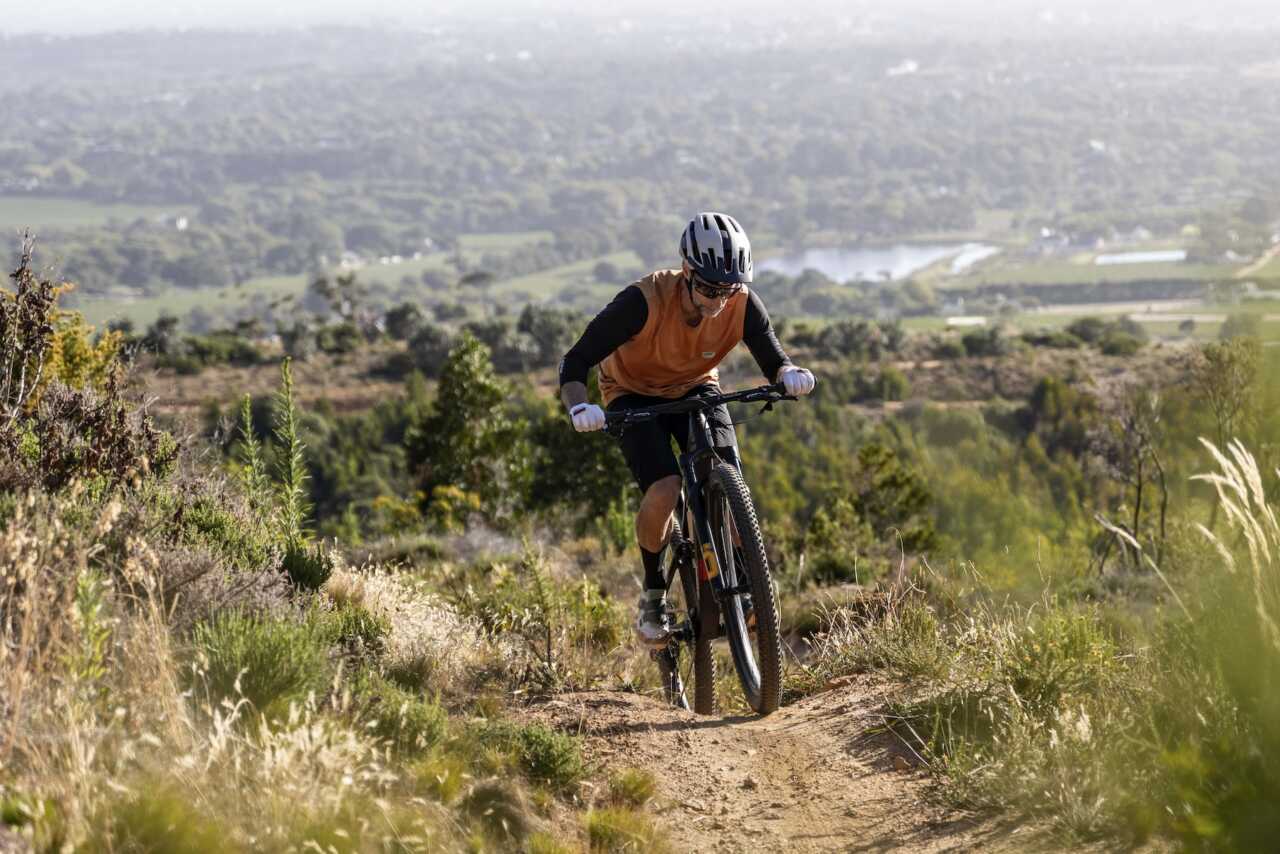
And then there’s the more recent context – the COVID boom and the inevitable bust that followed. I think this is where Trek’s stability really becomes apparent. We all saw what happened: demand skyrocketed, brands expanded too quickly and when things corrected, a lot of companies struggled. Some disappeared entirely. Others had to sell out or undergo massive restructuring just to survive. From what I saw, Trek rode that wave without losing their footing, which, in an industry as volatile as cycling, is no small thing.

That doesn’t mean everything is perfect. I don’t think any brand operating at that scale avoids tension. Balancing innovation with the realities of being a global business is complicated and not every move will land with every rider. But maybe that’s part of staying relevant for this long – you have to keep moving, even if it means getting it wrong occasionally.
At 50, I don’t see Trek as a brand defined by dominance as much as one defined by endurance. In a sport where change is constant and unforgiving, they’ve managed to keep adapting without disappearing. And from what I’ve seen in the industry, that’s a real achievement. Cycling will keep evolving – it always does. The interesting part now is seeing how Trek chooses to evolve with it next. //