

Review: A month with SRAM’s XPLR AXS Drivetrain

| WORDS: Kevin Benkenstein | VISUALS: Gary Perkin |
Earlier this year SRAM released a dedicated gravel bike collection of components named XPLR. The collection includes cassettes, cranksets, rear derailleurs, shifters, a dropper seat post and a gravel-specific carbon wheelset. For a little more than a month, I have been riding the XPLR drivetrain on my road, gravel and quasi-MTB rides. Here’s my take on it.

The XPLR drivetrain runs on SRAM’s popular AXS wireless electronic shifting and brings a new gearing sweet spot to the gravel game. I was stoked to be the first in Africa to get my hands onto it and also curious to see just how well the new goodies would stand up to the unique demands of gravel riding in South Africa.
About the XPLR AXS drivetrain

So XPLR is SRAM’s new range of dedicated gravel goodies. The drivetrain has a tighter range than the brand’s Eagle AXS mountain bike drivetrain and a wider range than their AXS road drivetrains. Essentially, XPLR fills a gearing gap by providing a ‘sweet spot’ range that many riders have been looking for.
There are three iterations in the XPLR rear derailleur lineup to chose from. The range-topping Red, middle of the range Force and the base level known as Rival. Two models of XPLR Cassettes are available: the XG-1271 – which is on the Force level but used with the Red and Force groupset and then the XG-1251 which is the Rival option. They are all compatible with the existing SRAM (road and gravel) cranks, in both 1x and 2x setups and only run on SRAM’s proprietary Flat Top chain. The gearing runs from a 10t, to 11, 13, 15, 17, 19, 21, 24, 28, 32, 38 and a finally a 44. This cog layout is specifically chosen to provide easy steps for smooth progression (when changing gears) thereby optimising cadence whether stomping on the flatlands or on the rolling mountains.
Why do we need XPLR?
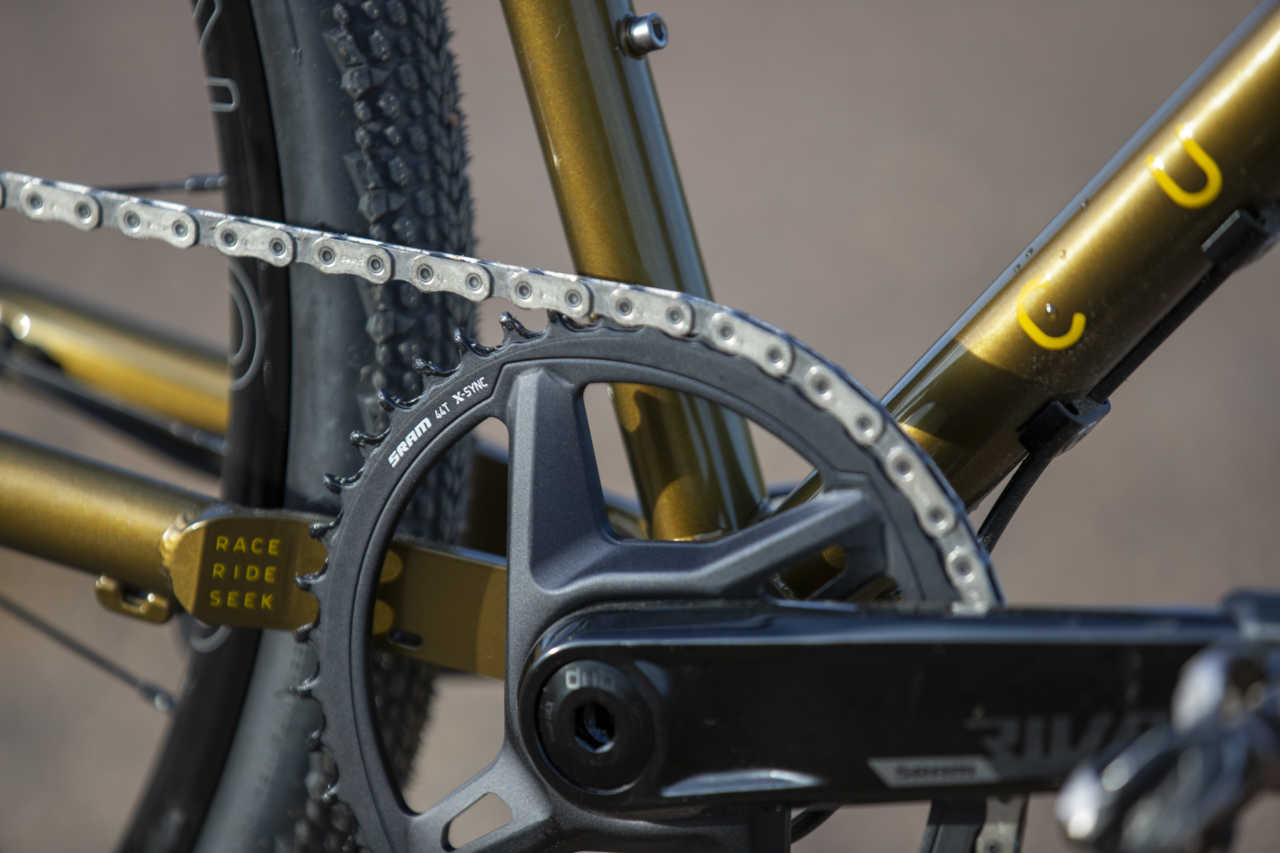
There are a plethora of gravel groupset options these days, from 1x and 2x 11spd mechanical (SRAM and Shimano) to 1x and 2x 12spd options (SRAM AXS) and the 1x 13spd options (Campagnolo and ROTOR). Whilst providing another option might seem to be ‘solving a problem that does not exist’ – that is certainly not the case with XPLR.
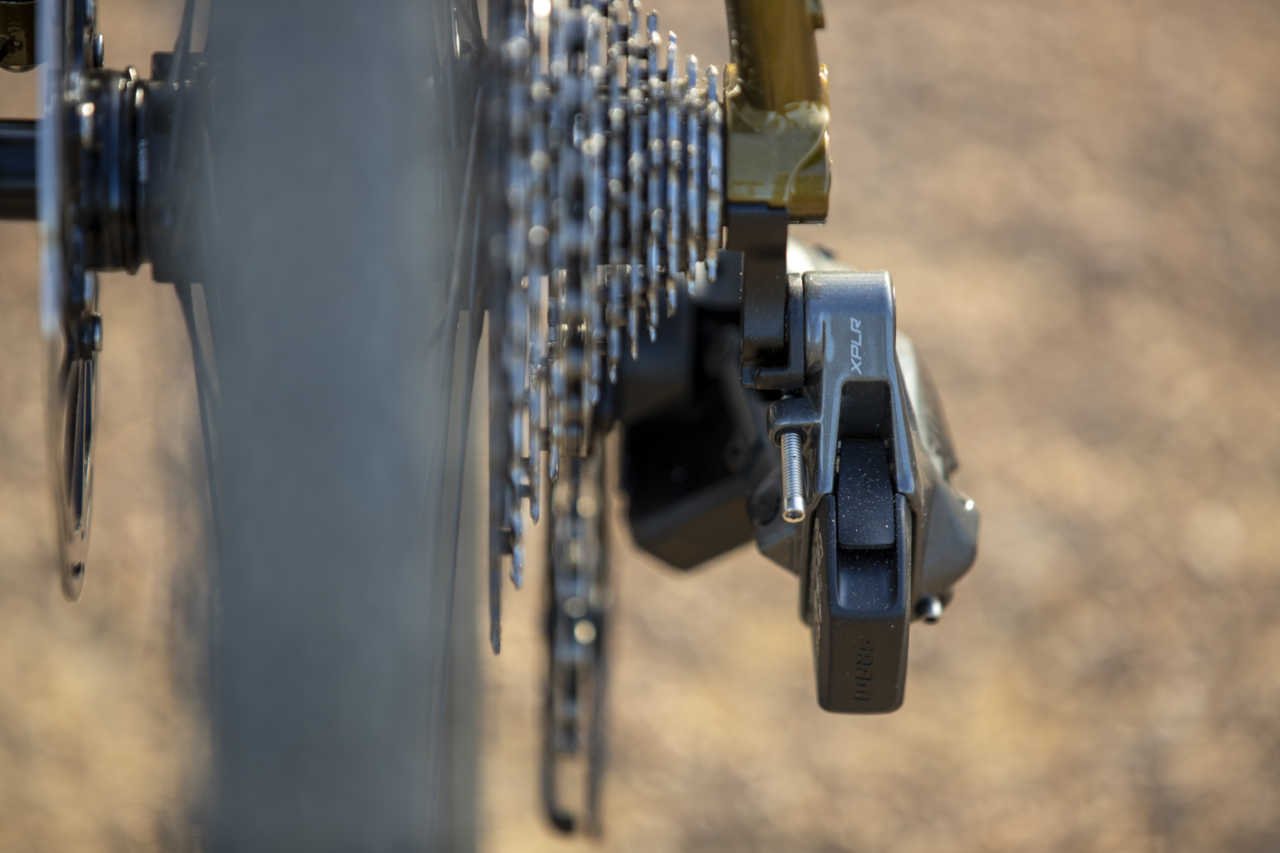
XPLR occupies the sweet spot in 1x gravel groupset options between the wide-range road options and very-wide-range (aka: Mullet) options. This gearing sweet spot provides the range needed for typical gravel rides that tend to mix both steep climbs and flat sections. The steps (or jumps) between the XPLR cogs are more consistent through the cassette than on say a traditional 10-52t cassette but the range is still wide enough to allow riders to opt into the popular 1x setup – that’s why it is so special.
Ride Impressions and Lessons Learned
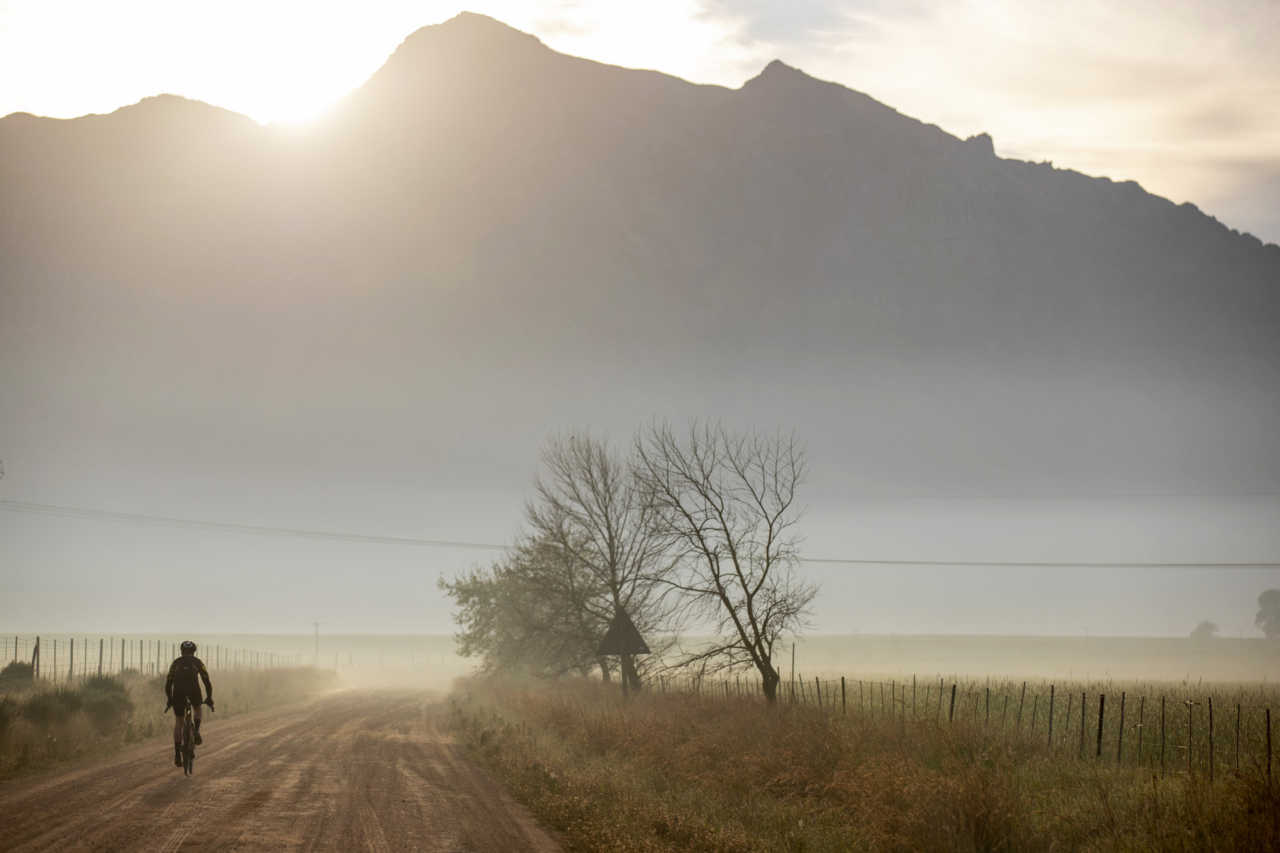
This is a gear ratio option that I have long been waiting for (and talking about) so I was very excited to test it out. I have ridden both the Red and Rival versions and both have been fantastic. In total, I have clocked about 2,000km on a variety of terrain so have been able to push it hard and get a good impression of its strengths and weaknesses.
I found the setup is actually pretty easy and it took me barely 30 minutes to install – that’s for the rear end of the bike. Shifting is as intuitive as ever with AXS and the shift quality is what you’d expect from any electronic groupset, precise and consistent. I found the single paddle shifting super convenient, particularly because I never miss-shifted on bumpy roads or when using big winter gloves on those frosty starts. The bonus about riding with no front derailleur is front-shift quality is never an issue. In terms of the battery life, it’s actually very long – I managed around 25 hours of ride time per charge and a full charge is done in less than an hour.
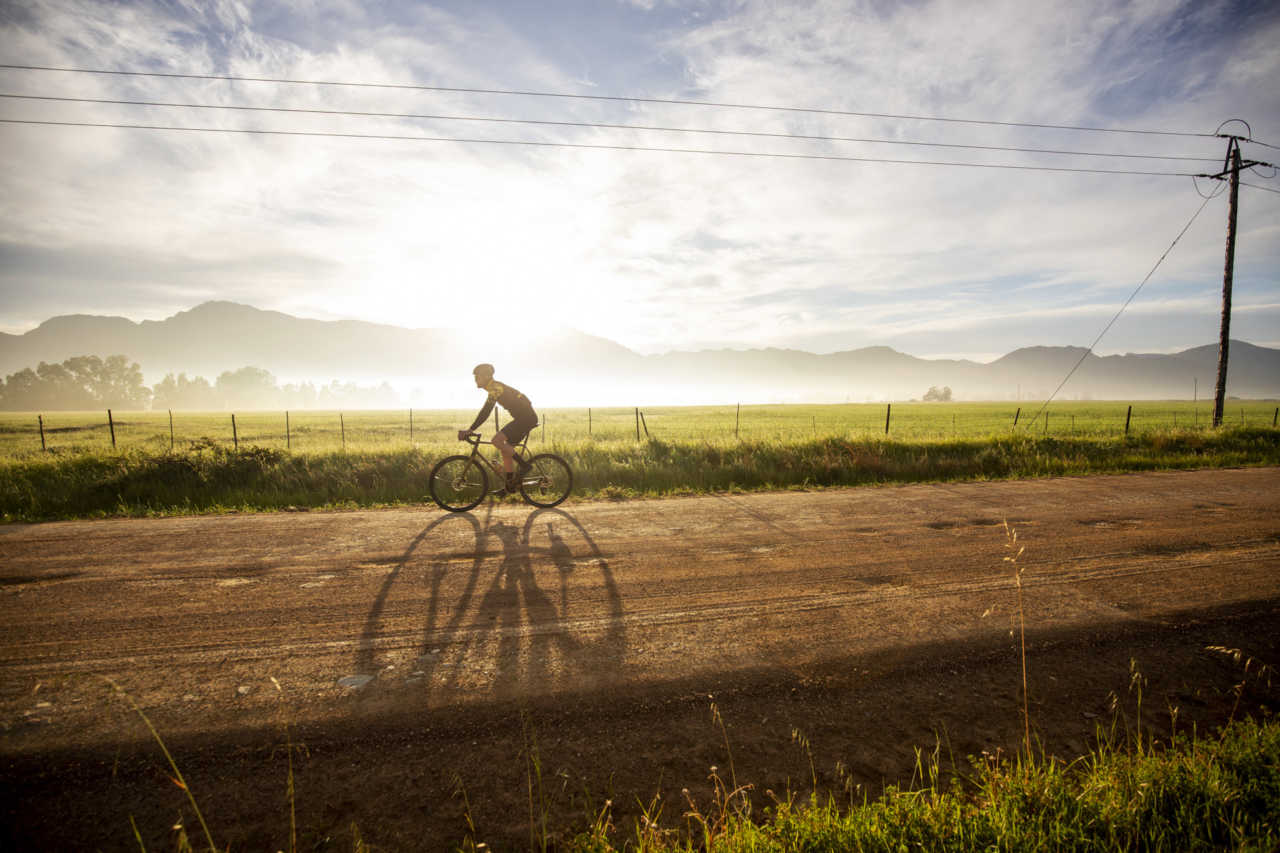
While testing this groupset I tried to stick to riding only my gravel bike, which meant a few mornings with everyone else on MTBs. In these scenarios, chain retention across all surfaces, (single-track included) has been without incident. The Orbit Damper on the Red and Force rear derailleurs and Friction Damper on the Rival rear derailleur do wonders on bumpy trails or corrugated roads and I really didn’t need to worry about dropping a chain at an inopportune moment. For me, this is one of the deal-breaking qualities for a gravel groupset and one that SRAM has nailed.
I switched over from a 2x setup and found the gear steps with XPLR were not noticeably bigger, which was great as I had enjoyed that aspect of 2x. The more consistent gear steps gave me a smoother pedaling feel compared to a MTB cassette, with less violent gear changes even on steep climbs, which I find translates to more consistent power output and thus an easier ride. This is the most noticeable and meaningful improvement for me over having a 10-52t cassette.
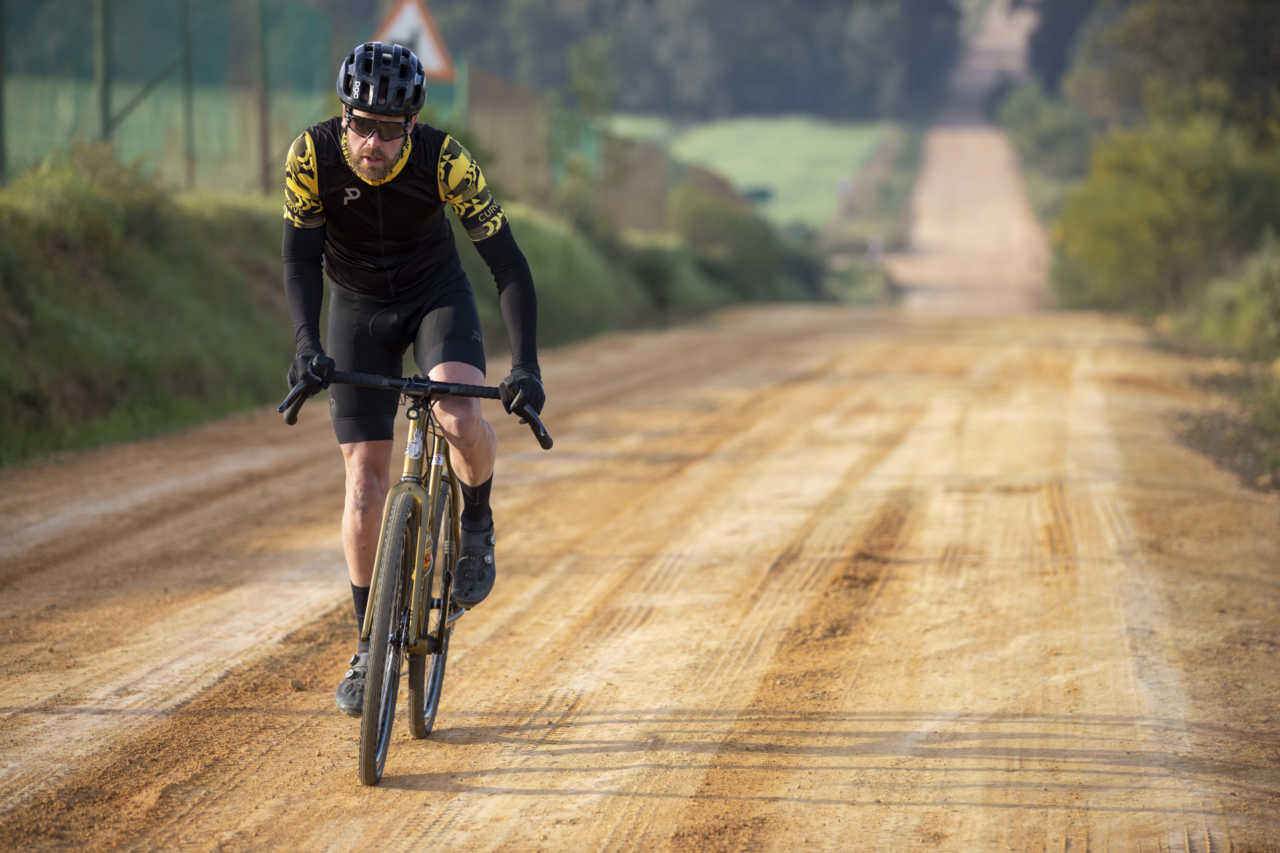
Living and riding in Pietermaritzburg and the KZN Midlands means constant climbing and so I am maybe more used to excessive climbing metres than most, and I found the 10-44t gear range was perfectly suitable. On the steepest pitches, I did at times find the range a little tight, but I was always able to grind over those 12-15% stretches which ultimately only make up a small percentage of a ride. On rolling roads, which make up the bulk of gravel riding, the ability to hold a smoother cadence is greatly appreciated. I haven’t yet been on a fully packed bike with this groupset but the beauty here is in the simplicity of the 1x system. When I need to load cargo onto the bike, all I’ll need to do to cope with the extra kilo’s is fit a smaller chainring.
Gravel group ride 
Riding with MTB’ers 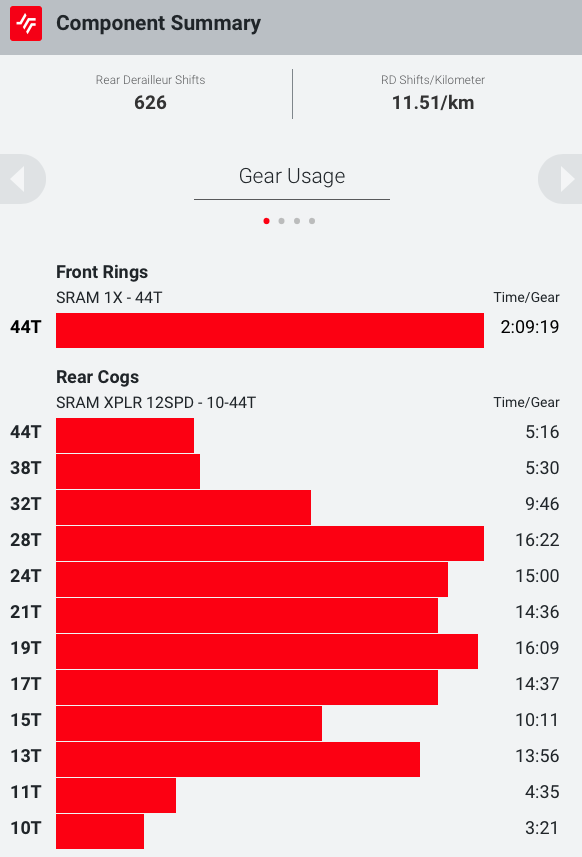
Solo gravel ride
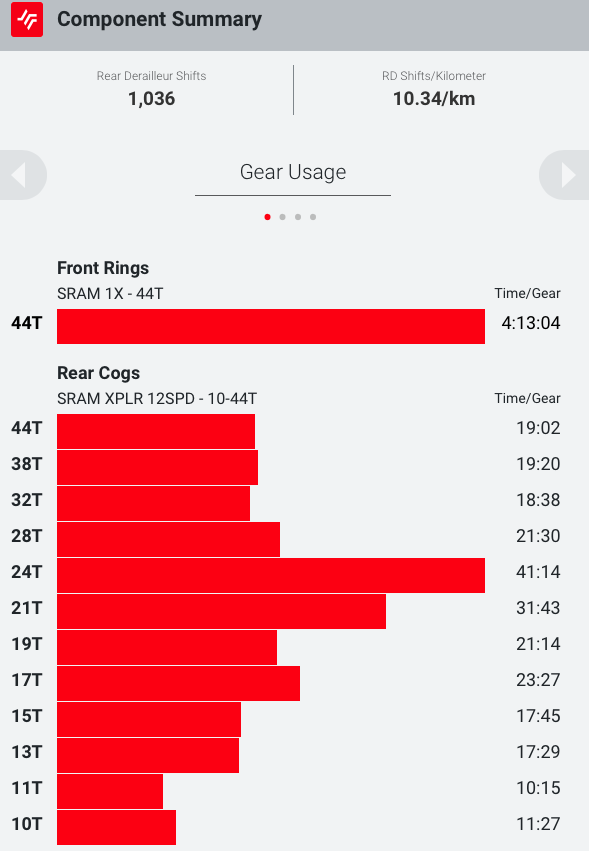
The interesting part of this test is top end gearing was never an issue — I never ‘spun out’. Even on faster road rides, I had enough gearing for what we were doing. I’ve also been using the SRAM AXS App and it’s shown me I use my hardest gear way less than I thought, and when I do it’s not with much power as it’s when I am descending. So with XPLR, I’m able to spend most of my ride time in the middle of the cassette, as one should. I also hardly used the 10t which means I could probably go down a size on the chainring and benefit with an easier climbing gear. On this point, the SRAM AXS App allows for easy assessment of gear usage and is something I feel all riders using AXS Groupsets should really take advantage of to get their gearing set up correctly for them. The other neat thing about this system is SRAM have a lot of 1x chainring sizes for the Rival, Force and Red cranksets, from 38t right through to 50t, so there really is a gearing option for every rider.
Who is it for?
For those who are using their gravel bike as a more capable road bike this is for sure what you have been waiting for. The same goes for those moving in the other direction and adding more ‘brown-tar’ to their rides. I also think the XPLR range is also ideal for stronger riders who do not struggle on steeper/longer climbs. Then, for riders who live in the Platteland where the bottom half of the cassette tends to wear quickly, adding XPLR with a bigger front blade will reduce drivetrain wear and improve the bike’s chain line. I have even seen the rear derailleur and cassette pop up on mountain bikes where it seems to be enjoyed. Personally, I’d also consider it for an event like The Munga, where long climbs are scarce.
For riders treating their gravel bike like a cheap rental car with good insurance and thrashing it up and down the local single-track then I think the wider range of the ‘Mullet’ setup (SRAM road shifters and MTB rear end) is probably still the best option. The same goes for those lugging heavy loads up hills. We South Africans are a big bunch and so for those who Ride-to-Eat more than Ride-to-Strava, that little extra help from an Eagle rear end will be your best bet. While my impressions of XPLR were great it does not have the extra-easy gear that a 10-52t MTB setup provides – so for riders who regularly use that 52t the trade-off of the smaller gear steps won’t be worth it.
Red vs Force vs Rival
Choosing a drivetrain has many decision points, not least price but I can say that the Rival XPLR Drivetrain really outperforms its price point. The ride and shift feel of Rival is barely distinguishable from Red or Force. What’s more, the hood shape of Rival might even be preferred by some riders as it is not quite as pronounced as the Red or Force hoods. The braking performance is equally good across all three groupsets. While Red and Force most certainly come with weight and look benefits there is no real performance reason to choose them over Rival. I would suggest that with the XG-1271 Cassette and Force Chain it would take a very educated rider to feel the shift difference between the three options.
Takeout
The thing about XPLR is SRAM now truly has a gravel offering for every riding style. They have 2x road-like setups, 1x mullet setups and now XPLR fills that sweet spot between them. The XPLR drivetrains are robust enough for Africa with slick-shifting and reliable performance that stood up to all of the test ride conditions.
