

Review: Trek Émonda SL 6 Pro

Trek’s ferocious climber gets an aero makeover and is now a more versatile race bike
| IMAGES: Gary Perkin | WORDS: Myles Kelsey |
Since its launch in 2014, Trek’s Émonda has always been a light and super-fast climber. The second-generation Émonda was released in 2017 with the primary update being the inclusion of disc brakes. The latest generation Émonda is a ground-up rebuild that features significant changes to tube shapes which, among other things, help it slide through the wind easier. The bike is now a partially aero, climbing race bike, or simply put, a faster all-rounder. I’ve spent the better part of five months riding this bike and in the process clocked over 3 000km around the roads of Cape Town’s Cycle Tour, here’s my take on the bike.

THE DEVELOPMENT
WHY THE CHANGES? | The pro team riders were asking for changes to the Émonda. “There was just a big gap between the Émonda and the Madone,” says Matt Shriver, technical director of the Trek-Segafredo team. “But the team was pushing for a new Émonda that didn’t lose the ride characteristics, the geometry and its snappy feeling.” And it had to be more aero.
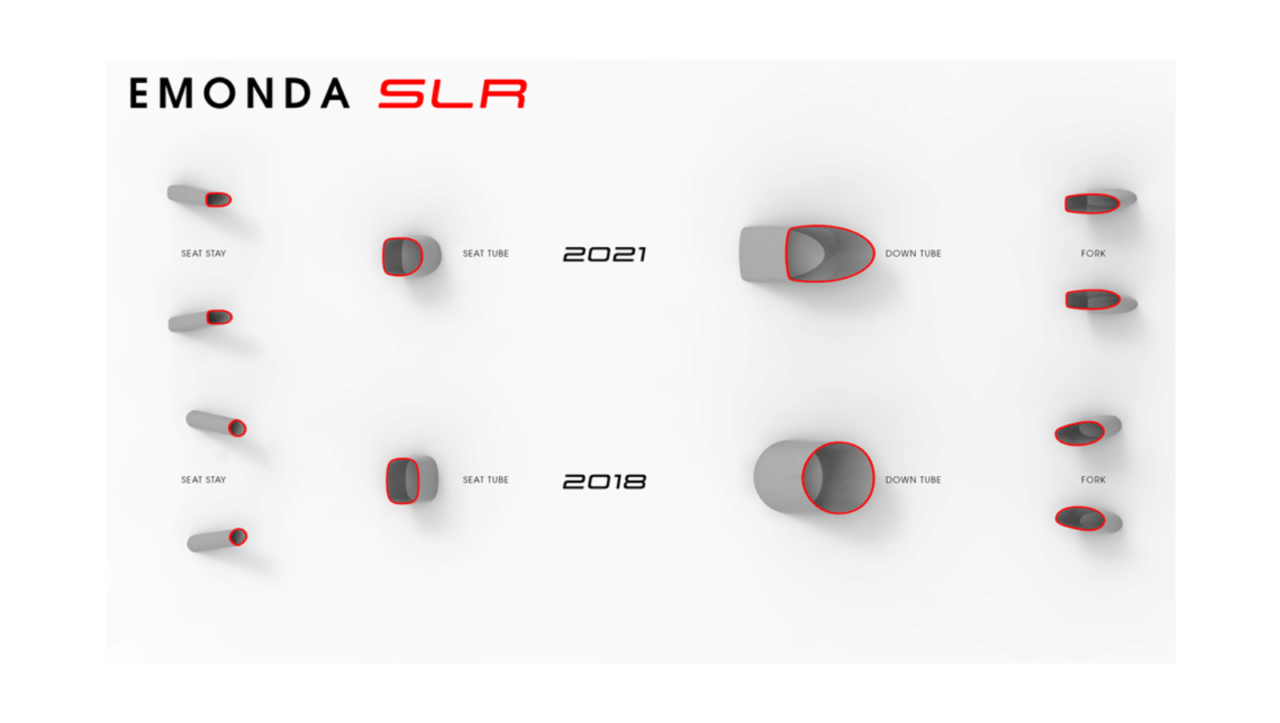

HOW DID THEY MAKE IT FASTER? | John Davis, a designer and aerodynamicist at Trek explains the process they adopted to reduce drag and keep the weight down which included analysis of the mighty Alpe d’Huez in France. “We know if we reduce the weight, we’ll be faster up Alpe d’Huez,” he says. “But that’s not necessarily the most efficient way to get there. Before we did any engineering at all on the bike, we decided to create a road map. What’s the most efficient way to be faster up Alpe d’Huez? The way to do that was to take the current bike and calculate the time up the climb. Then, what happens if we add 500g of weight to the bike in order to reduce the drag by 100g? We did that tradeoff for every single point on the road map: plus or minus 1kg of weight and plus or minus 30% in aero. What we got on our road map was a set of contours similar to elevation contours on a map. If you want the fastest way up a mountain, you go in the direction where the contours are closest together. We did the same thing with our road map, where the contours are the time up Alpe d’Huez. We checked where we started, then we saw if we reduced about three times the drag for every unit of weight. That’s the fastest way to get fastest up the climb.”


Davis goes on to describe that optimizing aerodynamics on a climbing bike requires consideration of the lower ride speeds and unpredictable wind scenarios when in the mountains. These conditions produce what Davis describes as unsteady aerodynamics and the new tube shapes are designed specifically to address this. Here’s the takeout, Trek claims that over 60 minutes of riding at the kind of speeds you’ll be at on a climb, pushing 350 watts, you’ll save 18 seconds per hour on the new bike. That’s on an 8% grade — a tiny bit steeper than the Cape Town Cycle Tour’s iconic Suikerbossie. On flat roads, Trek says at 350 watts you’ll save 60 seconds per hour.
THE BIKE
This Émonda platform has switched to the Trek H1.5 fit as used on the Madone. H1.5 is essentially a more racey fit with a lower stack allowing for a more aerodynamic body position. It is not an ultra-aggressive slammed setup, but you can get the stem very low if you desire.
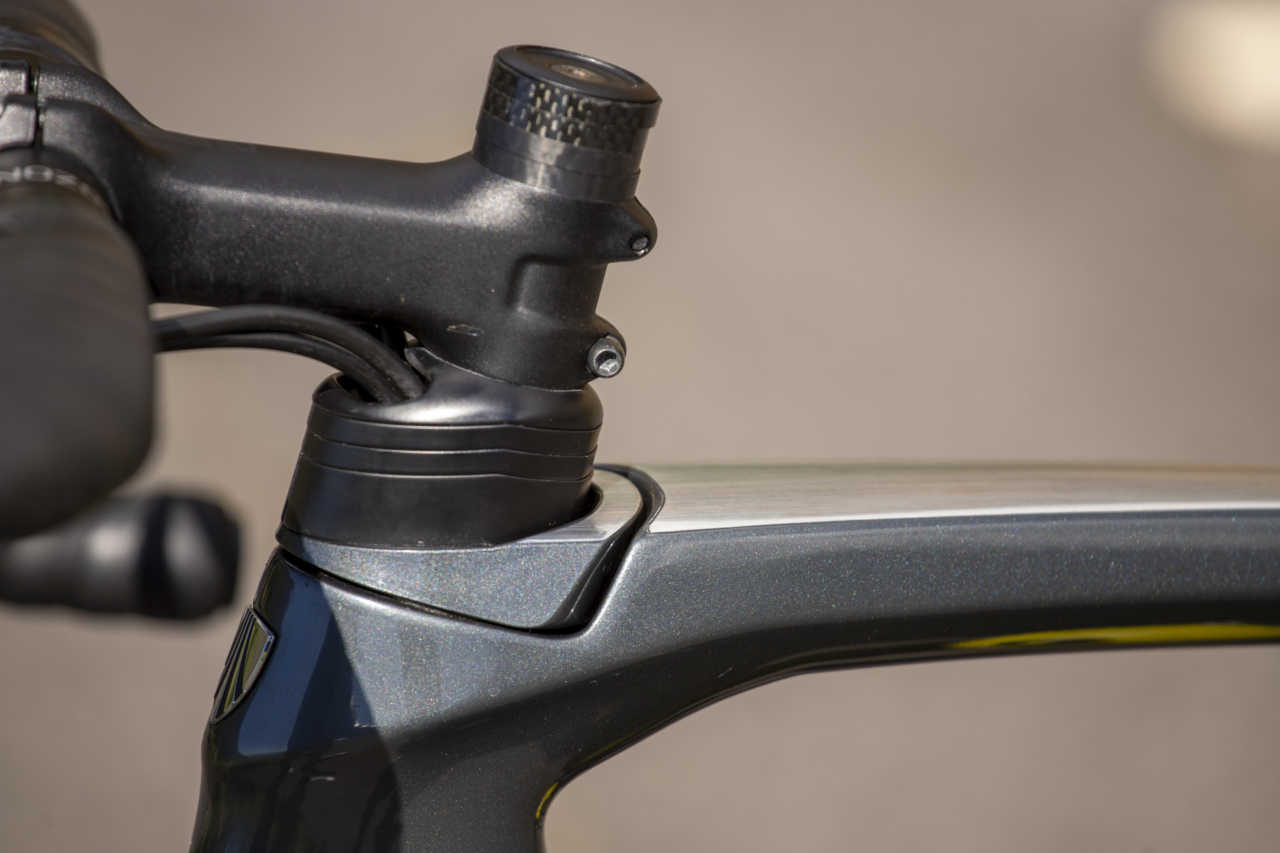

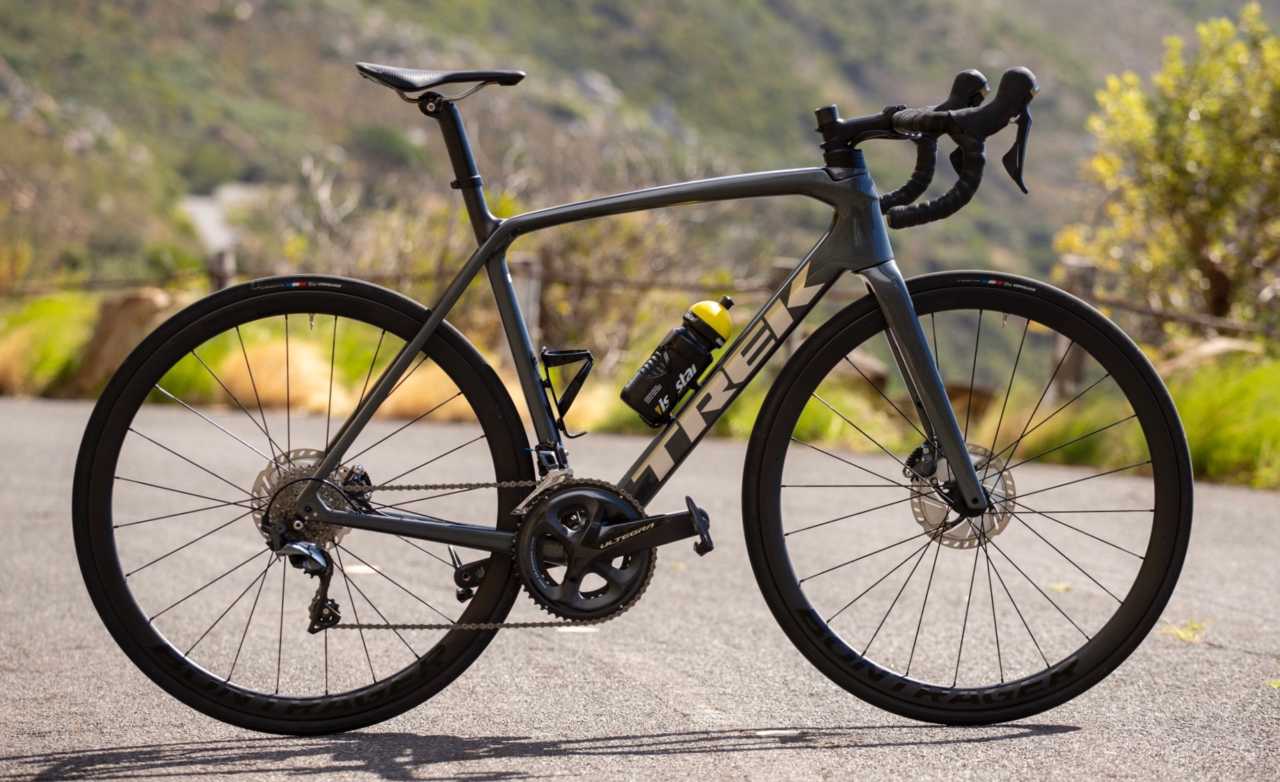
The head tube is wider than that of the previous Émonda which has a few benefits. It opens up more space inside the head tube to integrate the cabling and improve the aerodynamics — and aesthetics. Often, a bulkier head tube means less material is required to achieve stiffness and this saves weight. There is also more surface area to design shapes that improve airflow.

The SL 6 Pro model has a traditional two-piece cockpit and some cabling is visible as it channels from the bars into the head tube. It is still a very neat setup. The Émonda has a T47 bottom bracket which is a threaded system. It is also very wide meaning the designers can reduce flex by increasing the size of the down tube and seat tube in this area. All Émonda models feature a chain catcher which is tucked under the front derailleur and stops the chain from dropping.
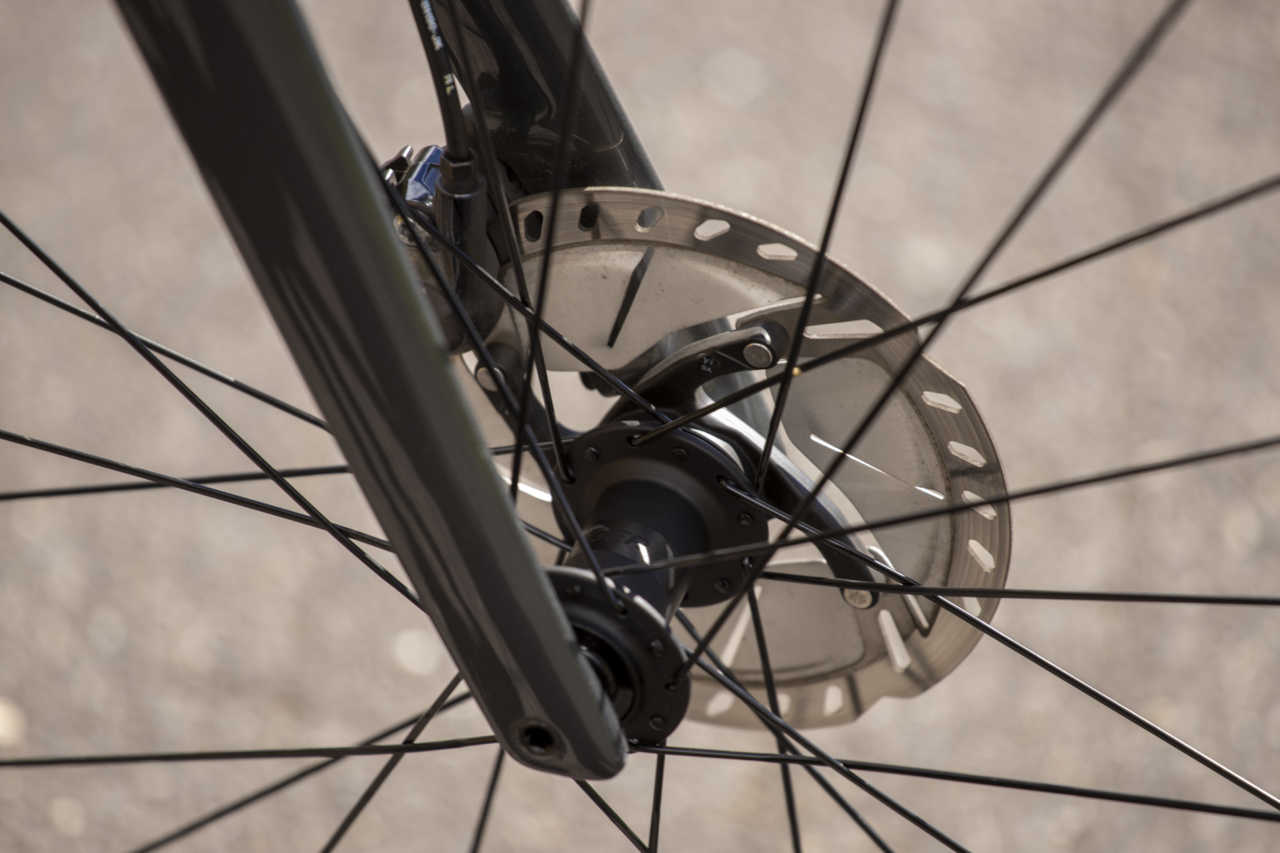
In making the transition to a more aerodynamic steed it’s natural that Trek dropped the rim brake option (entirely) from the new Émonda. This is a disc-only bike and this model relies on Shimano’s Ultegra brake system with 160mm rotors – front and rear.
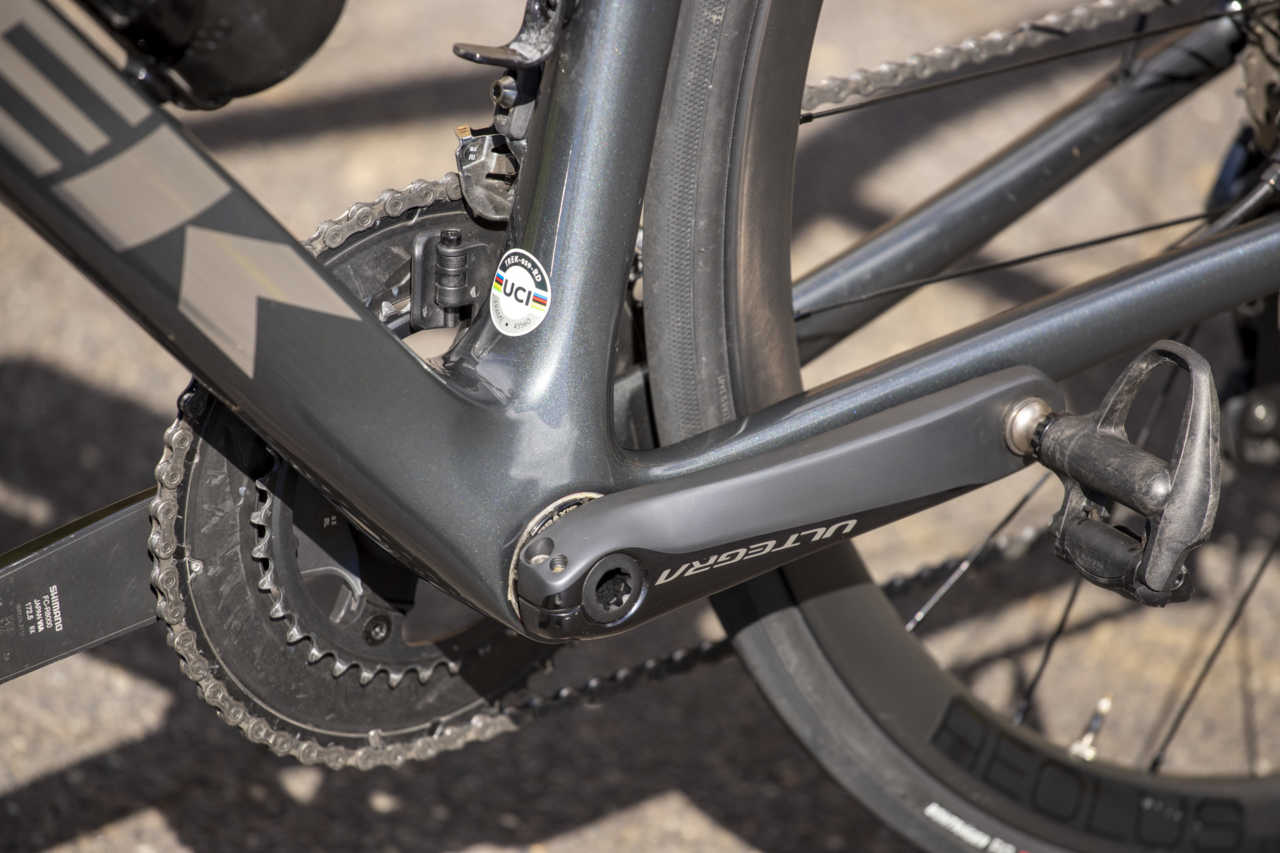
Tyre clearance has been bumped up to an official 28mm. However, it’s easily possible to safely ride with bigger volume tyres – if you wanted to. You’d easily slide 30’s onto the Émonda – and possibly 32’s. The gearing on the SL 6 is a semi-compact with a 52/36 front and 11 speed 11-30 tooth cassette.


The Aeolus Elite 35 wheelset is a tubeless-ready carbon wheel system that tips the scales at 1740g. The bike is sold with tubes and the tube-specific Bontrager R2 rubber in a 25mm iteration. There is a small sacrifice on aerodynamics with a raised seat stay, but Trek says it was one of the areas where weight could be shaved.


SPECIFICATIONS
| FRAME | 500 Series OCLV Carbon, Internal Routing, Disc, Duo Trap S-compatible |
| FORK | Emonda SL full carbon, tapered carbon steerer, internal brake routing |
| BRAKES | Shimano Ultegra hydrauic disc |
| FRONT DERAILLEUR | Shimano Ultegra R8000, braze-on |
| REAR DERAILLEUR | Shimano Ultegra R8000, short cage, 30T max cog |
| CRANKSET | Shimano Ultegra R8000, 52/36, 172.5 mm length |
| BARS | Bontrager Elite VR-C 42cm |
| STEM | Bontrager Pro, Blendr-compatible, 100mm |
| WHEELS | Bontrager Aeolus Elite 35, OCLV Carbon, Tubeless Ready |
| TYRES | Bontrager R2 Hard-Case Lite 25c |
| SADDLE | *Bontrager Aeolus Comp |
| ROTORS | Shimano RT800, CenterLock, 160mm |
| WEIGHT | Complete bike: 8.03kg / Frame and fork: 1522g |
| RETAIL | R77 000 |
RIDE IMPRESSIONS
I’ve been riding on the road since the late ’80s and there is still a lot of excitement when I’m swinging a leg over a new bike. How fast will it roll? What’s it like on the climbs? Am I going to get blown about in cross-winds? Is it too stiff and racey to enjoy? At launch, there was certainly a fair bit of noise coming from the Pro Tour teams and I was *frothing (biker talk for being excited) to get onto one.
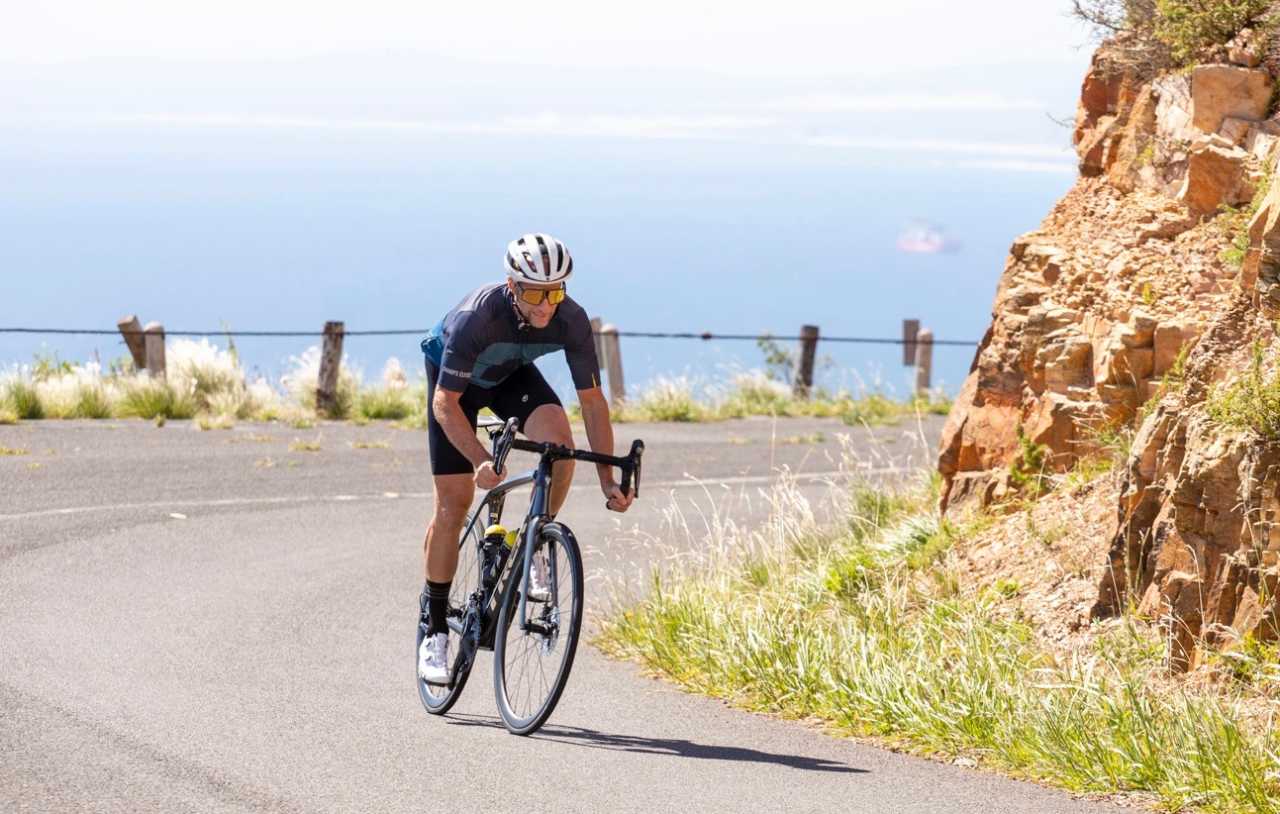
THE FIT | My flexibility is a little above average and I’ve always let my ego get the better of me when it comes to bar height on road bikes, subscribing to the ‘slam-it and slice-it’, crowd. Lower is better right? – Well, actually not always. David George from Gear Change kindly offered a Bike Fit (actually it was more a demand than an offer) and I parked my ego to comply. On a side note, a professional bike fit these days is quite the experience and I’d highly recommend it – especially with someone like David who has years of international pro peloton experience and a passion for the trade he plies. At 1,76m I’m a little in between the 54cm and 56cm Émonda and could probably get either to work, however opting to run the bars a little higher, the 56 is a better bet. Something to consider when looking at sizing is the Bontrager bars on this bike have a few extra mm’s of reach, as do hydraulic brake levers. If you are feeling stretched out, it’s likely these ‘hidden’ mm’s are doing it. Through the bike fit process, we made subtle changes to things like pedal stance, saddle tilt, saddle fore/aft and the positioning of the brake levers on the bars. It’s the tiny tweaks that count.

ON THE ROAD | I tested the first generation Émonda back in 2014 and I recall it being a spirited climber. This third-generation is just as sprightly on the steep double-digit gradients and feels very efficient on the milder climbs too. With out-of-the-saddle stomping, there is a direct and snappy feel. With over 4 000km of riding on this steed, I’ve got a pretty good feel for it. The corner flow you’ll have is good – the bike is very stiff upfront – most probably due to that big head tube and downtube design. It’s also easy to initiate a turn and hold a line down through sweepers – like those on Chapman’s Peak. I don’t know that I could physically feel the aero elements on windy days but psychologically, when I was being buffeted about by the gusts of Cape Town, it was comforting to know I have the equipment to help. On the first few rides, I was brushing my thighs with the broad top tube but I made some adjustments to my ride style and it’s no longer a bother. For an out-and-out race bike, the handling on this Émonda is pretty planted and positive.

BUILD KIT | There is nothing to fault on the build kit. The Shimano Ultegra drivetrain is flawless and has yet to skip a beat. I’m a massive fan of disc brakes on road bikes and the Ultegra’s pack plenty of stopping power and I have not needed to do any maintenance on them. The wheels, tyres, stem, bars and saddle are from Trek’s in-house brand Bontrager. To improve fit, I downsized the reach of the bars and then about halfway through the test I swapped the saddle out to test a gebioMized. These changes don’t reflect a dissatisfaction with the Bontrager components, in fact, I’m happy with everything that was stock on the bike. I am however considering moving to the top-of-the-line Aeolus Pro wheelset which will drop some 400g of rotational weight and should improve my Strava status….. If you are a racer and not shopping on a budget then consider the SL 7 model, it’s about R30k more but includes Di2 shifting and that delightfully light Aeolus Pro wheelset.
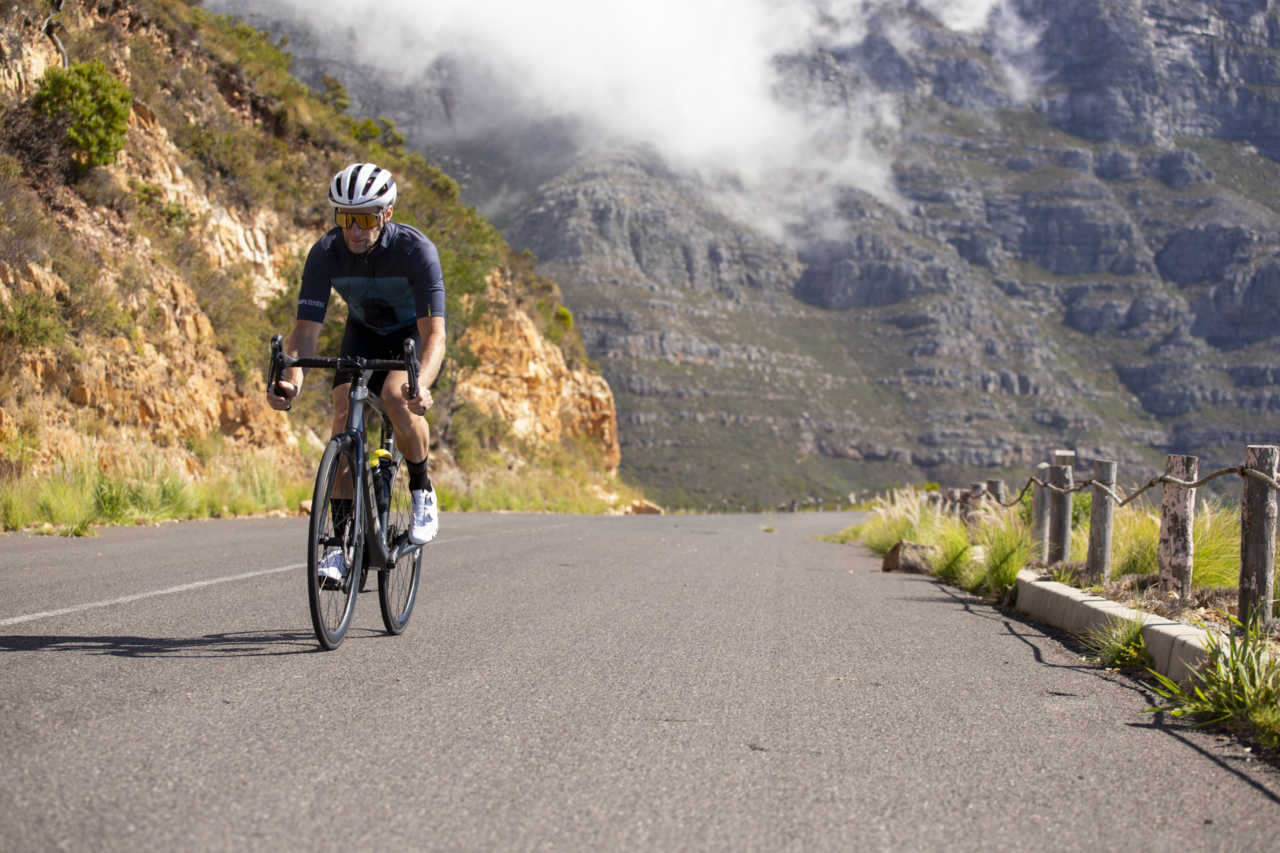
TUBED OR TUBELESS? | The Aeolus wheels are tubeless-ready but the bike is sold with tubes and tube specific 25mm Bontrager R2 tyres. I got some decent distance out of the standard tyres and had no issues with them. At the end of their life I swapped to a tubeless setup with a 28mm rear and 26mm front combination. I prefer the feel of the tubeless setup. The pressures don’t need to be so high (I use 70psi front and 75psi rear) and so the corner grip is good, the bike doesn’t skitter about on rough surfaces and the ride is a little smoother. I’d recommend a tubeless setup for sure, especially if you ride on sketchy surfaces. In the future, I’d probably go back to a 25mm / 26mm rear, as I mostly ride smooth roads and my weight is quite low.
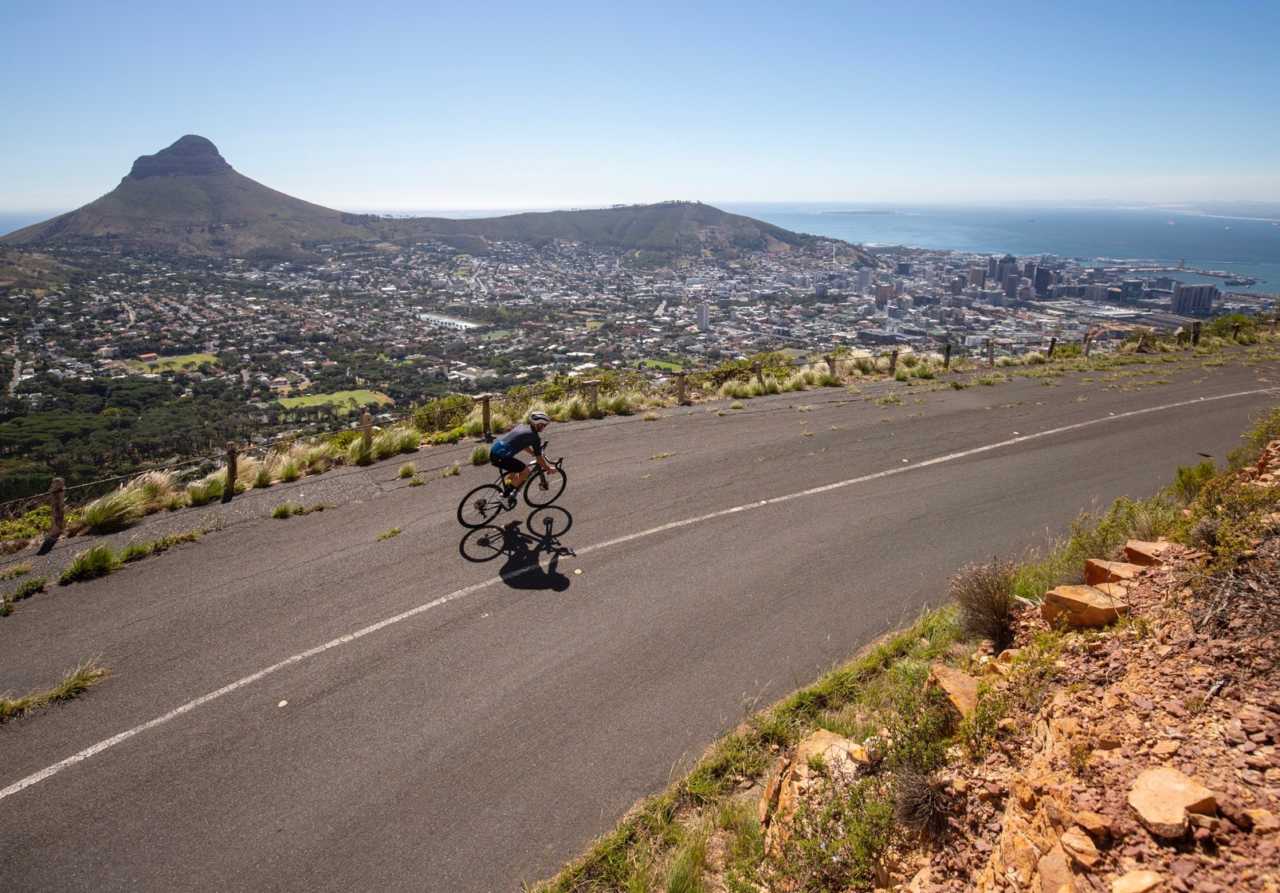
AESTHETICS | Some bikes are brilliant. Some bikes are charming. The Émonda scores equally high on both accounts and wins a second or third glance at just about every trendy Cape caffeine stop. Personally, the Émonda had me with internal routing, that clean front end and intriguing tube shapes. The Lithium Grey and Brushed Chrome colourway ain’t too bad either.
TAKEOUT
Sweet handling and a mildly aero frameset make the new Trek Émonda an easy-to-ride performance machine that is ready for any race.